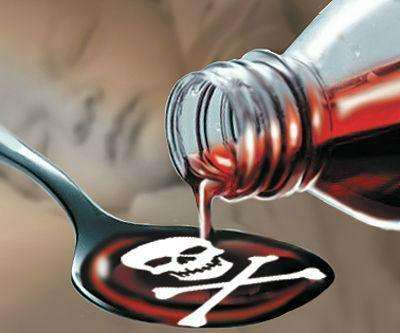
Prescription Drugs – When drug abuse is legal

Reach out now, we can help
Home / Posts tagged "south african rehab" (Page 7)

Prescription Drugs – When drug abuse is legal

14 March, 2019Articles, News

Drug abuse is no longer limited to illegal drugs or hard drugs like heroin, tik or cocaine. One of the most dangerous and rising forms of drug abuse is legal, over-the-counter (OTC) medicines. From cough syrups and painkillers to sleep medicine and prescription tranquilisers; these socially accepted drugs are cheap, accessible and addictive – making them all the more dangerous.

How are they addictive?

Drug addiction is a complex disorder that is characterised by compulsive drug use. Every drug produces different physical effects, but the common result is that repeated use can alter the way the brain looks and functions.

When it comes to most prescription or OTC medicines, repeated abuse floods the system with dopamine, which gives the user that euphoric rush. Some experts believe the receptor cells in the brain actually change. So when someone with a predisposition to addiction uses these drugs repeatedly it causes the reward system to learn that drugs are essential to their survival and they should get it at any cost.

Dependence versus Addiction

Many people can use recreational or prescription drugs without ever experiencing negative consequences or addiction. For many others, continuous use of these substances quickly leads to abuse and then addiction. It’s not always easy to tell when the line has been crossed, but some common behaviours indicating drug addiction include:

• neglecting responsibilities to family and friends

• performing poorly at work

• losing interest in sex.

Dependency is much more commonplace. Anyone who takes prescription medicine for more than a few weeks will develop some physical dependence on the drug for the relief it brings, be it to pain or insomnia. Usually, people are on stable, generally lower doses of the medicine. If they do stop suddenly, they will probably have some mild withdrawal symptoms, which will go away once they have ‘detoxed’. If people seek out further reasons to take the drug, they may be developing an addiction. People that tend towards addiction usually abuse the drug with the intention of lessening their anxiety or getting high (escaping their feelings or reality). The pleasure of getting high and the fear of withdrawal instruct the brain to compulsively seek out the drug, at any cost, and to crave its continued use despite the negative consequences.

Some commonly abused prescription drugs

  • Barbiturates or sedatives: High doses can cause trouble breathing, especially if taken with alcohol.
  • Benzodiazepines: Another type of sedative that helps with anxiety, panic attacks and sleep problems.
  • Sleep medicines: Help people who suffer from insomnia but, when abused, addicts start to believe they need them to sleep.
  • Codeine and morphine: Painkillers, specifically opioids, are some of the most commonly abused OTC medicines. In small doses these drugs dull pain, but in large doses they can cause a euphoric high and some dangerous side effects like drowsiness, constipation and breathing problems.

These readily available OTC drugs are especially popular with teenagers:

  • Diet pills: Teenagers are prone to “going on diets” and will often try anything which claims to make them thinner or prettier. The abuse of diet pills often starts with teenagers just taking “a couple” to lose weight. In large doses, these pills can create a mild buzz and false “energy”, a feeling that can be addictive in itself. Continued misuse of diet pills can signal a serious eating disorder or lead to many physical side effects.
  • Amphetamines: Often used to help people with ADHD, some people (often teenagers) use amphetamines to increase energy and alertness, or to keep their weight down. High doses can cause a rise in body temperature, irregular heartbeat and sometimes cardiac arrest.
  • Dextromethorphan (DXM): Is a common ingredient in over-the-counter cold and cough medicines, which in large doses can cause a high, hallucinations, vomiting, rapid heart rate, and brain damage.
  • Pseudoephedrine: A decongestant in many non-prescription cold medicines that helps to clear up stuffy noses; it is also an ingredient in the illegal methamphetamine or “meth”.

What is the scope of prescription drug misuse?

Misuse of prescription opioids, CNS depressants, and stimulants is a serious public health problem in the United States. Although most people take prescription medications responsibly, in 2017, an estimated 18 million people (more than 6 percent of those aged 12 and older) have misused such medications at least once in the past year. According to results from the 2017 National Survey on Drug Use and Health, an estimated 2 million Americans misused prescription pain relievers for the first time within the past year, which averages to approximately 5,480 initiates per day. Additionally, more than one million misused prescription stimulants, 1.5 million misused tranquilizers, and 271,000 misused sedatives for the first time.

The reasons for the high prevalence of prescription drug misuse vary by age, gender, and other factors, but likely include ease of access. The number of prescriptions for some of these medications has increased dramatically since the early 1990s. Moreover, misinformation about the addictive properties of prescription opioids and the perception that prescription drugs are less harmful than illicit drugs are other possible contributors to the problem. Although misuse of prescription drugs affects many Americans, certain populations such as youth and older adults may be at particular risk.

If you or a loved one needs assistance with an addiction – know that help is readily available. The road to recovery is not always an easy one but getting yourself or your loved one the best possible care from the team at Crossroads Recovery Centre, provides you with a map to sober, healthy living. No matter how bad things seem, there is hope and it’s only a phone call away. If you or anyone close to you needs help with an addiction to sex, gambling, substances, alcohol or food, please contact us for a free assessment.

www.crossroadsrecovery.co.za

+27 012 345 1186 Pretoria

+27 010 597 7784 Johannesburg

SOURCES

http://www.toughlove.org.za/articles/86-prescription-drugs-when-drug-abuse-is-legal

https://www.drugabuse.gov/publications/research-reports/misuse-prescription-drugs/what-scope-prescription-drug-misuse

No Obligation Addiction Assessment

Book a No Obligation Confidential Assessment at your nearest Treatment Centre Today.

Johannesburg Admissions: +27 74 895 1043
Pretoria Admissions: +27 82 653 3311
Close

Stories of Recovery

  • The encouragement, love and support from the team at Crossroads allowed me to eventually see that I was worth something - that my life could be turned around and that I could accomplish the things that had long been a forgotten dream.
    Oliver VG
    Read more
  • On the last day of my stint at Crossroads I could only express gratitude towards all who works there. A wise councillor once commented on my question when one is ready for rehab by explaining that when one is ready for rehab, rehab is ready for you.
    Johan B
    Read more
  • I was lost and my soul was broken until I ended up at Crossroads and was introduced to the Twelve Steps. With the help of their excellent staff and amazing support I have recently been clean for 18 months, I could not have done it without them!
    Carla S
    Read more
  • "Just for today I am more than three years in recovery. I have Cross Roads to thank for this wonderful gift. Cross Roads helped me to set a firm foundation in my recovery on which I can continue to build."
    Angelique J
    Read more
Left Arrow Right Arrow

Approved Medical Aids

Bestmed LogoBonitas LogoCAMAF LogoDiscovery Health LogoFedhealth LogoGovernment Employees Medical SchemeLiberty CorporateMedihelp Medical Scheme

#33 Flow, finding space

Reach out now, we can help
Home / Posts tagged "south african rehab" (Page 7)

#33 Flow, finding space

23 February, 2019Podcasts, News

#33 Flow, finding space

“The  last  great  attempt  to  free  consciousness  from  the  dominion  of  the  impulses  and  social  controls, was  psychoanalysis; as  Freud  pointed  out, the two tyrants  who  fought  each  other  for  control  of  the  mind  were  the  Id  and  the  Superego, the  first  a  servant  of  the  genes, the  second  a  lackey  of  society – both  representing  the  “Other”. Opposing  them  was  the  Ego, which  stood  for  the  genuine  needs  of  the  self  connected  to  its  concrete  environment” – Flow :  The  Psychology  of  Happiness” – Mihaly  Csikszentmihalyi.

What must i do?

The  process  of  recovery  is  a  lifelong  commitment. There  will  be  times  where  we  will  feel  overwhelmed  by  our  circumstances. Sometimes  these  challenges  will  come  from  within  ourselves. How  do  we  get  ourselves  to  a  place, mentally,  where  we  are  able  to  push  through  and  overcome  the  challenges  with  which  we  are  faced. How  do  we  manage  mental  and  emotional  fatigue ? Merely  using  positive  self-talk  is  not  going  to  be  sufficient – we  have  to  know  that  we  can  get  through. We  have  to  build  mental  strength. How  do  athletes  build  this  mental  strength ? How  have  people  with  multiple  years  of  clean  or  sober  time  managed  successfully ?

“Control  of  consciousness  determines  the  quality  of  life.” Flow  :  The  Psychology  of  Optimal  Experience – Mihaly  Csikszentmihalyi.

“If  you  are  interested  in  something, you  will  focus  on  it, and  if  you  focus  attention  on  anything, it  is  likely  that  you  will  become  interested  in  it. Many  of  the  things  we  find  interesting  are  not  so  by  nature, but  because  we  took  the  trouble  of  paying  attention  to  them.” Finding  Flow  :  The  Psychology  of  Engagement  with  Everyday  Life – Mihaly  Csikszentmihalyi.

I hope you enjoy this podcast as much as I enjoyed the discussion.

This podcast was recorded as a series of lectures given to people in 12 step addiction recovery treatment. The purpose of these talks was to teach and motivate individuals to search for their own spiritual solution to their addiction.

Please feel free to contact me directly or go to our site for more information:

dominic@crrc.co.za

www.crossroadsrecovery.co.za

+27 012 345 1186 Pretoria

+27 010 597 7784 Johannesburg

No Obligation Addiction Assessment

Book a No Obligation Confidential Assessment at your nearest Treatment Centre Today.

Johannesburg Admissions: +27 74 895 1043
Pretoria Admissions: +27 82 653 3311
Close

Stories of Recovery

  • The encouragement, love and support from the team at Crossroads allowed me to eventually see that I was worth something - that my life could be turned around and that I could accomplish the things that had long been a forgotten dream.
    Oliver VG
    Read more
  • On the last day of my stint at Crossroads I could only express gratitude towards all who works there. A wise councillor once commented on my question when one is ready for rehab by explaining that when one is ready for rehab, rehab is ready for you.
    Johan B
    Read more
  • I was lost and my soul was broken until I ended up at Crossroads and was introduced to the Twelve Steps. With the help of their excellent staff and amazing support I have recently been clean for 18 months, I could not have done it without them!
    Carla S
    Read more
  • "Just for today I am more than three years in recovery. I have Cross Roads to thank for this wonderful gift. Cross Roads helped me to set a firm foundation in my recovery on which I can continue to build."
    Angelique J
    Read more
Left Arrow Right Arrow

Approved Medical Aids

Bestmed LogoBonitas LogoCAMAF LogoDiscovery Health LogoFedhealth LogoGovernment Employees Medical SchemeLiberty CorporateMedihelp Medical Scheme

Definition of Sex Addiction

Sex and porn addiction can refer to a range of behaviours that are done in excess and significantly impact one’s life in a negative way.

The Diagnostic and Statistical Manual of Mental Disorders-V (DSM-5) does not list sex addiction as a diagnosable condition yet, but research indicates that there is a clear prevalence of adverse sexual behaviour that is similar in development to a “chemical” addiction.

Is Porn Addiction the Same as Sex Addiction?

Porn addiction and sex addiction are not the same disorder. Addiction to porn is considered to be a type of sex addiction and can manifest itself differently than other types of sex addiction. Like “sex addiction,” “porn addiction” is not an official diagnosis in the DSM-5 yet. However, an addiction to porn can lead to serious distress and consequences in many facets of life.

What Are the Different Types of Sexual Addictions?

There are no distinct categories, but sexual addictions can come in different forms, including addiction to:

  • Pornography.
  • Prostitution.
  • Masturbation or fantasy.
  • Sadistic or masochistic behavior.
  • Exhibition/Voyeurism.
  • Other excessive sexual pursuits.

What are the Signs, Symptoms, and Effects of a Sexual Addiction?

Several signs can serve to indicate whether someone is addicted to sex. These can be emotional or physical. Furthermore, it’s important to know the debilitating effects of sexual addiction.

Emotional Symptoms of Sex Addiction

If you or someone you love suffers from a sex addiction, you might not have healthy boundaries. If your husband is addicted to porn or sex, you may feel alienated, isolated, depressed, angry, or humiliated and need treatment yourself. If you are addicted to sex, you might become easily involved with people sexually or emotionally regardless of how well you know them, according to Sex and Love Addicts Anonymous. Because most sex addicts fear being abandoned, they might stay in relationships that aren’t healthy, or they may jump from relationship to relationship. When alone, they might feel empty or incomplete. They might also sexualize feelings like guilt, loneliness or fear.

Physical Symptoms of Sex Addiction

Although a sex addiction or pornography addiction can create many physical side effects, few physical symptoms of this disorder exist. However, the most common physical sex addict symptoms you might notice from having a sexual addiction is feeling immobilized due to sexual or emotional obsessions.

Effects of Sex Addiction

The effects of a sex addiction can be severe.

According to Departmental Management of the USDA, about 38% of men and 45% of women with sex addictions have a venereal disease as a result of their behaviour.

Pregnancy is also a common side effect that can occur due to risky behaviour. In one survey, nearly 70% of women with sex addictions reported they’d experienced at least one unwanted pregnancy as a result of their addiction.

Additionally, sex addiction likely has a negative impact on several areas of one’s life. It can lead to:

  • A decline in personal relationships, social, and family engagement.
  • Decreased concentration and productivity at work.
  • Physical consequences like sexual dysfunction or sexually transmitted diseases (STDs).

It can have profound psychological effects, like generating feelings of shame, inadequacy, and emotional distress. It can lead to, or stem from, comorbid psychological disorders like:

  • Anxiety.
  • Depression.
  • Substance abuse.
  • Problems related to impulse control and emotion dysregulation.
  • Obsessive-Compulsive type symptoms.

It is important to know that addressing co-occurring problems in one’s life, like depression, social anxiety, or social isolation, can make it easier to recover from sexual addiction.

Am I Addicted to Sex?

It is best to consult with a healthcare professional for proper evaluation of your sex addiction; however, you may also want to look out for the following signs:

  • You feel powerless over how you act sexually.
  • Your sexual choices are making your life unmanageable.
  • You feel shame, embarrassment or even self-loathing over your sexual acts.
  • You promise yourself you’ll change, but fail to keep those promises.
  • You’re so preoccupied with sex it becomes like a ritual to you.

If you’re exhibiting any of these symptoms, it might be time to seek sex addiction treatment. If you also have a co-occurring substance addiction (e.g., alcohol, cocaine), call to learn more about treatment options.

PsychGuides.com. 2019. Sex Addiction and Symptoms, Causes and Effects. https://www.psychguides.com/guides/sex-addiction-symptoms-causes-and-effects/

No Obligation Addiction Assessment

Book a No Obligation Confidential Assessment at your nearest Treatment Centre Today.

Johannesburg Admissions: +27 74 895 1043
Pretoria Admissions: +27 82 653 3311
Close

Stories of Recovery

  • The encouragement, love and support from the team at Crossroads allowed me to eventually see that I was worth something - that my life could be turned around and that I could accomplish the things that had long been a forgotten dream.
    Oliver VG
    Read more
  • On the last day of my stint at Crossroads I could only express gratitude towards all who works there. A wise councillor once commented on my question when one is ready for rehab by explaining that when one is ready for rehab, rehab is ready for you.
    Johan B
    Read more
  • I was lost and my soul was broken until I ended up at Crossroads and was introduced to the Twelve Steps. With the help of their excellent staff and amazing support I have recently been clean for 18 months, I could not have done it without them!
    Carla S
    Read more
  • "Just for today I am more than three years in recovery. I have Cross Roads to thank for this wonderful gift. Cross Roads helped me to set a firm foundation in my recovery on which I can continue to build."
    Angelique J
    Read more
Left Arrow Right Arrow

Approved Medical Aids
Bestmed LogoBonitas LogoCAMAF LogoDiscovery Health LogoFedhealth LogoGovernment Employees Medical SchemeLiberty CorporateMedihelp Medical Scheme

Cough Syrup Epidemic

Reach out now, we can help
Home / Posts tagged "south african rehab" (Page 7)

Cough Syrup Epidemic

02 February, 2019Articles, News

What is Lean?

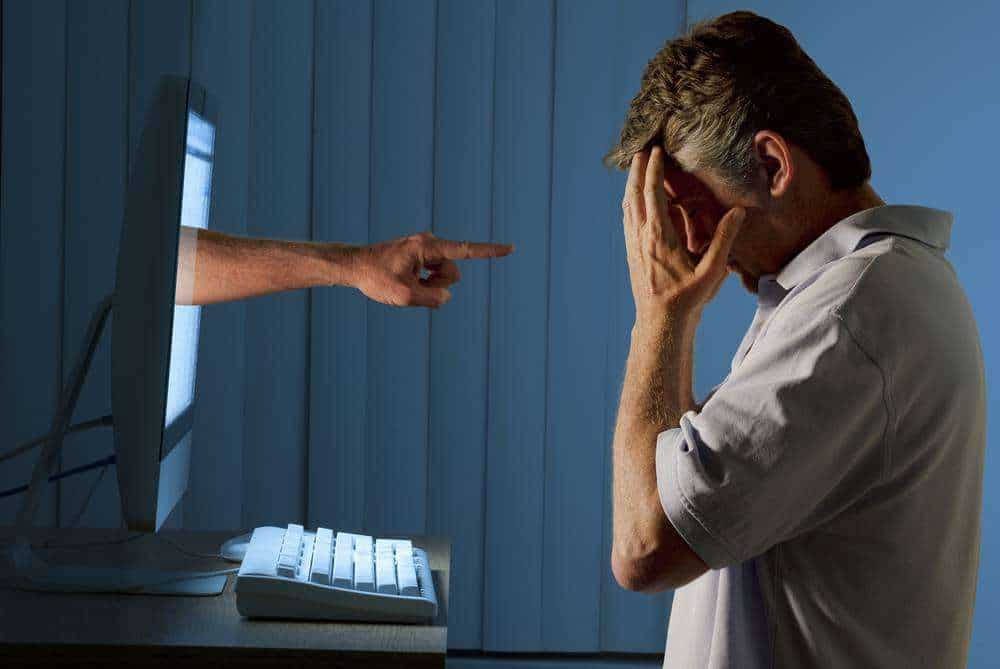
COUGH SYRUP EPIDEMIC. Lean is the street name for cough syrup containing codeine mixed with soft drinks. The drug is becoming more common in everyday use. It is popular among adolescents and young adults in lower income areas. The drug is freely available at such a low price that it is exceedingly easy to obtain and use. Not only can anyone walk into any pharmacy and buy it, there are even dealers who carry these products so that the users may avoid possible scrutiny from the people who sell it.

The Symptoms and effects of Lean:

Codeine is the active ingredient in lean and as it is an opiate, it is highly addictive and does cause physical dependence. This means that prolonged use of the drug may lead to withdrawal. In addition to this the symptoms of codeine use include, but are not limited to: drowsiness, memory loss, black out, nausea, vomiting, dysphoria, euphoria, dissociation, in extreme cases use may lead to seizures, and respiratory depression which can often lead to death.

Laws and Regulations of Pharmaceutical Companies in South Africa:

The cough syrup which is being used is freely available over the counter at pharmacies. There are regulations in place to try and combat the abuse of these medications, pharmacies are legally bound to take a person’s details when they buy codeine products and are only allowed to sell one product per person at any time. In addition to that, Adcock Ingram, one of South Africa’s biggest pharmaceutical companies, have a dedicated team looking out for suspiciously large or frequent orders. These measures, however honorable, still fall short. Without a national database there is no way to ensure someone is not buying from multiple pharmacies. In addition to this, corrupt pharmacists and drug dealers find ways and means around the regulation that have been put in place. 

How do we make a change in combatting Lean?

Combating an epidemic of these proportions starts first with taking the problem seriously. The regulatory bodies within South Africa have seen the problem and are taking measures to keep the population safe, but ultimately the responsibility lies with the individual. Even over the counter substances need to be taken seriously and treated as dangerous and addictive. Most importantly, any addiction needs to be treated as such. Just because the substance a person is addicted to seems innocuous it does not mean that the addiction itself is harmless.

No Obligation Addiction Assessment

Book a No Obligation Confidential Assessment at your nearest Treatment Centre Today.

Johannesburg Admissions: +27 74 895 1043
Pretoria Admissions: +27 82 653 3311
Close

Stories of Recovery

  • The encouragement, love and support from the team at Crossroads allowed me to eventually see that I was worth something - that my life could be turned around and that I could accomplish the things that had long been a forgotten dream.
    Oliver VG
    Read more
  • On the last day of my stint at Crossroads I could only express gratitude towards all who works there. A wise councillor once commented on my question when one is ready for rehab by explaining that when one is ready for rehab, rehab is ready for you.
    Johan B
    Read more
  • I was lost and my soul was broken until I ended up at Crossroads and was introduced to the Twelve Steps. With the help of their excellent staff and amazing support I have recently been clean for 18 months, I could not have done it without them!
    Carla S
    Read more
  • "Just for today I am more than three years in recovery. I have Cross Roads to thank for this wonderful gift. Cross Roads helped me to set a firm foundation in my recovery on which I can continue to build."
    Angelique J
    Read more
Left Arrow Right Arrow

Approved Medical Aids
Bestmed LogoBonitas LogoCAMAF LogoDiscovery Health LogoFedhealth LogoGovernment Employees Medical SchemeLiberty CorporateMedihelp Medical Scheme
add_action('wp_footer', function() { ?>