Recovery From Disordered Eating

Reach out now, we can help
Home / Posts tagged "south african rehab" (Page 6)

Recovery From Disordered Eating

17 May, 2019Articles, News

What is an Eating Disorder

Simply put, an eating disorder is a set of abnormal behaviours around food and eating that have a negative impact on a person’s mental health and physical well-being. They are characterised by an obsession around food and body weight, or body composition. These behaviours are indicative of trying to manage inward turmoil with external factors. It is a set of disorders characterised by the need to control.

Eating disorders take on many different forms, even two people with the same psychiatric diagnoses may express their disordered behaviour in vastly different ways. The easiest way to explain what an eating disorder is, is that it is a set of toxic and faulty thinking patterns. This may include body dysmorphia. This is when a person will fixate on a perceived flaw in their appearance. This “flaw” may, in reality, be insignificant, non-existent, or even a completely normal feature, but to the person suffering it is the root of all insecurity. For example, a person of a healthy weight may perceive themselves as being over weight or even obese.

Who is Affected and how

There is a misconception that young women are the only group of people who experience eating disorders, but this is not the case. Men make up a large portion of those seeking help. Eating disorders are present in all age groups across all genders and all races and cultures. To effectively help those people we need to set aside these stereotypes and prejudices.

There is also a misunderstanding that a person with an eating disorder can be diagnosed by their weight, but this is not the case. People with eating disorders may be underweight yes, but may also be overweight, or a normal healthy weight. They may be athletic, muscled, lean or unfit. The way a person looks is not an accurate way to diagnose or determine their disorder. 

The image that many people have in their head of a person with an eating disorder is someone who presents with anorexia nervosa. This sub-category of eating disorders only accounts for about 3% of people entering treatment. These preconceived notions of eating disorders and the way they present physically are stopping people seeking help.

Symptoms and Signs – Physical, Behavioural and Emotional

Like addiction and alcoholism, a person with an eating disorder experiences a wide array of symptoms and side effects, both emotional and physical. These symptoms are not always related directly to drugs, alcohol or food.

Symptoms include, but are not limited to:

  • Constant obsession with body weight and/or food
  • Discomfort when eating in front of other people
  • Eating too little or not at all
  • Eating too much
  • Rapid weight loss or weight gain
  • Dental problems, such as increased cavities
  • Obsessive calorie counting and measuring of food
  • Eating in secret, hiding food
  • Compulsive exercise
  • Loss of muscle mass and weakness
  • Fatigue
  • Misuse of laxatives
  • Misuse of insulin
  • Self-induced vomiting
  • Dizziness and fainting
  • Stomach cramps, acid reflux and other gastrointestinal complaints
  • Confusion and struggling to concentrate
  • Erratic heartrate
  • Increased infections and illness
  • Feeling of being cold all the time, even in warm weather
  • Extreme mood swings
  • Withdrawal from friends, family and usual activities

Disordered Eating and Addiction

Part of the reason why many rehab centres, Crossroads Recovery Centres included, treat eating disorders alongside addiction and alcoholism is because there is a high instances of these co-occurring . In one test group 50 % of the people who were in treatment for their eating disorder also had substance use issues. Another group of addicts and alcoholics who were in a rehabilitation process were assessed, 35% of these persons also struggled with some form of eating disorder.

Many people who suffer from both eating disorders and addiction will tell you that both these problems spring from the same source. These behaviours themselves are not the problem, but rather the need to control inner dissatisfaction through external means. The manifestations and nuances of the obsession may differ but in the end it is all rooted in the mind and spirit of the individual. Though the problem with food and body image are key to unravelling and treating an eating disorder, long term recovery should be focused on personal growth and development, not unlike long term recovery from addiction and alcoholism.

Treatment and Hope

For a person suffering from an eating disorder the first point of contact should always be a medical doctor. Eating disorders present with the highest mortality rate of any mental illness and thus the effect it can have on the human body should not be taken lightly. After medical intervention, a period of monitoring is recommended. This is best done at an inpatient facility as access to food can be monitored. This ensures that clients are eating appropriately while not being able to binge. It also makes it significantly more difficult for clients to act on behaviours like purging or compulsive exercise.

As with addiction, removal of the problematic behaviour is not enough, a process of recovery is needed to sustain abstinence from destructive behaviours. Through counselling and group therapy a person may learn new coping strategies, improve their self-worth and self-esteem, and gain insight and perspective into their disorder. This process of growth and self-improvement is vital to any person wanting to recover from an eating disorder. The aim of this process is not to just remove the problem but to be in a better position than one was before the process was entered.

Every person with an eating disorder has a risk of relapse. And for that reason, a sustained, lifelong recovery journey is always the best option. This can be done through 12 step meetings and fellowships such as Overeaters Anonymous  and Eating Disorders Anonymous .

Crossroads Recovery Center Pretoria hosts a weekly EDA meeting, alternatively if you are looking for a meeting in your area please see the following webpages.

No person needs to suffer alone and in silence from a destructive relationship with their body and food. Help is out there, and freedom is possible.

By Charlie van de Erve

www.crossroadsrecovery.co.za

+27 012 345 1186 Pretoria

+27 010 597 7784 Johannesburg

No Obligation Addiction Assessment

Book a No Obligation Confidential Assessment at your nearest Treatment Centre Today.

Johannesburg Admissions: +27 74 895 1043
Pretoria Admissions: +27 82 653 3311
Close

Stories of Recovery

  • The encouragement, love and support from the team at Crossroads allowed me to eventually see that I was worth something - that my life could be turned around and that I could accomplish the things that had long been a forgotten dream.
    Oliver VG
    Read more
  • On the last day of my stint at Crossroads I could only express gratitude towards all who works there. A wise councillor once commented on my question when one is ready for rehab by explaining that when one is ready for rehab, rehab is ready for you.
    Johan B
    Read more
  • I was lost and my soul was broken until I ended up at Crossroads and was introduced to the Twelve Steps. With the help of their excellent staff and amazing support I have recently been clean for 18 months, I could not have done it without them!
    Carla S
    Read more
  • "Just for today I am more than three years in recovery. I have Cross Roads to thank for this wonderful gift. Cross Roads helped me to set a firm foundation in my recovery on which I can continue to build."
    Angelique J
    Read more
Left Arrow Right Arrow

Approved Medical Aids

Bestmed LogoBonitas LogoCAMAF LogoDiscovery Health LogoFedhealth LogoGovernment Employees Medical SchemeLiberty CorporateMedihelp Medical Scheme

Drug Induced Psychosis

Reach out now, we can help
Home / Posts tagged "south african rehab" (Page 6)

Drug Induced Psychosis

10 May, 2019Articles, News

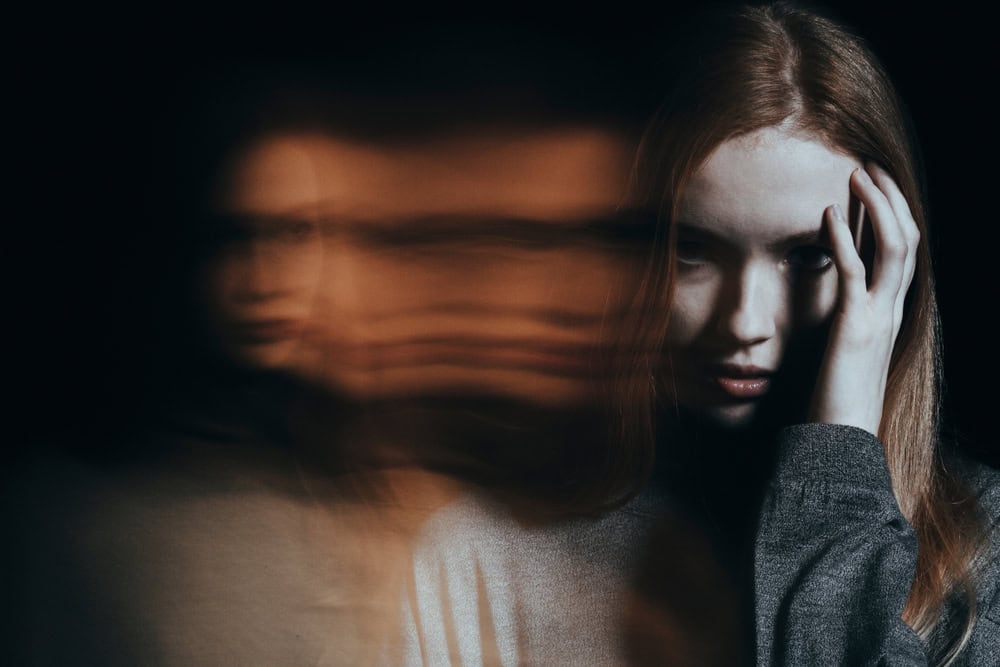
According to the National Alliance on Mental Illness, psychosis refers to an episode in which an individual has a break from reality. This often includes but doesn’t require, delusions, or false beliefs that are firmly held despite clear evidence to the contrary, and hallucinations. About 3 in every 100 people will experience at least one episode of psychosis in their lifetimes.

Drug-induced psychosis, also known as substance-induced psychotic disorder, is simply any psychotic episode that is related to the abuse of an intoxicant. This can be due to any of the following : taking too much of a certain drug, having an adverse reaction after mixing substances, during withdrawal from a drug, or if the individual has underlying mental health issues. Though it’s not actually true that taking a certain kind of drug can suddenly trigger a severe mental illness where none had existed, mental illness is a predictor of substance abuse, and someone prone to psychosis can be triggered by becoming overly intoxicated.

Substance abuse is defined as any use of an illicit intoxicant, any use of a prescription medication outside the direction of a doctor, or excessive use of legal substances such as alcohol. According to the Substance Abuse and Mental Health Services Administration’s (SAMHSA’s) National Survey on Drug Use and Health, 9.3 percent of individuals in the US, age 12 and older, needed treatment for a drug or alcohol problem in 2009. This does not include people who occasionally abuse drugs but are not considered to have a dependence issue. This amounts to 23.5 million people.

Psychosis Due to Drugs

Many recreational and prescription drugs can induce psychotic symptoms that can mimic serious psychiatric disorders.

Drug-induced psychosis has been associated with suicidal thoughts, dangerous and violent behaviour, hospitalization, and arrests.

Because treatment modalities can vary, it is important to ascertain whether psychotic symptoms are substance-induced or caused by other factors.

Drugs That Can Cause Psychosis

Heavy, long-term use of many substances can result in psychotic symptoms. However, certain drugs are more likely to cause psychotic symptoms than others. These include:

Methamphetamine

The use of methamphetamine can lead to paranoia, persecution delusions, and auditory and visual hallucinations.

One common hallucination is the feeling of bugs crawling on one’s skin. These symptoms might subside after stopping use, but they can also persist for weeks or longer, and may increase one’s susceptibility for developing future psychosis. Even after long periods of abstinence, psychotic symptoms may return in periods of stress.

Cannabis

Cannabis use has long been associated with psychotic symptoms. The first evidence came from the Swedish Conscripts Study of 45,570 military inductees who were followed-up for 15 years.

The results showed that those who had used cannabis by the age of 17 were 2.4 times more likely to develop schizophrenia than non-users. The risk of schizophrenia rose to 6 times that of non-users for heavy cannabis users (more than 50 times at initial interview).

Cocaine

Up to 50% of cocaine users will show some symptoms of psychosis after use. The risk increases with needle or freebased use.

Persecution delusions and tactile hallucinations are common. Psychotic symptoms can persist days, months, and sometimes years after use has stopped.

Amphetamine

Amphetamine (Speed) can cause psychotic symptoms similar to methamphetamine and cocaine after repeated use.

Alcohol

Alcohol can cause delusions, mental confusion, disorganized speech, and disorientation. Typically, these symptoms subside upon sobriety.

Alcohol is one of the most commonly abused substances among individuals with schizophrenia, although diagnosis usually precedes use.

Psychedelic drugs (e.g., LSD, PCP, etc)

These drugs can induce temporary effects that mimic psychosis. However, these symptoms typically cease when the drug wears off.

For most people, psychotic symptoms will not be present after first use. It is only after repeated use that psychotic symptoms become more prevalent and long-lasting.

Club/recreational drugs (e.g., ecstasy)

Ecstasy can cause psychotic symptoms, antisocial behaviour, and panic attacks. Persistent psychosis has been reported after a single use in some people.

Prescription meds (e.g., ketamine)

Ketamine users typically exhibit a variety of symptoms that mimic psychosis including delusions, cognitive impairments, disordered thinking, and incoherent speech.

Treatment and Recovery from substance-induced Psychosis

Drug induced psychosis can be treated, but it may be complicated by the challenge of making a correct diagnosis. In an emergency, regardless of the cause or diagnosis, psychosis can be treated with hospitalization and medications. Hospitalization is important to keep the patient safe until the symptoms are resolved. Medications, including antipsychotics and sedatives, can help resolve symptoms more quickly and can help the patient relax.

Once a patient has detoxed from whatever substance triggered psychotic symptoms, and from any other substance being used, a better diagnosis can be made. It is important to diagnose any mental illnesses as well as substance abuse disorders. For treatment to be effective, all issues have to be identified and addressed.

For most people going through substance-induced psychosis, the psychotic symptoms will not persist. They are usually temporary, and ongoing residential treatment will address any underlying mental illnesses as well as substance abuse disorders through behavioural therapy, medical care, social support, self-care, lifestyle changes, relapse prevention therapy, and other strategies.

In rare cases patients may experience long-term or chronic psychosis from substance use. In these instances, treatment may involve more specific strategies, like those used to treat psychotic disorders such as schizophrenia. Treatment may include a combination of behavioural therapies and antipsychotic medications to control and manage symptoms.

Treatment for any type of psychosis, including cases triggered by substance use, can be complicated, because patients struggle to recognize that their delusions and other experiences are not grounded in reality. The best outcomes result from residential care in which a patient can get intensive care and round-the-clock supervision. Treating underlying substance abuse and mental illness will help most patients recover and be able to manage their lives outside of care.

RESOURCES

https://www.altamirarecovery.com/co-occurring-disorders/substance-abuse-induced-psychotic-disorder-addiction-treatment/
https://www.mentalhelp.net/articles/drug-induced-psychotic-symptoms/
https://americanaddictioncenters.org/co-occurring-disorders/drug-psychosis-comorbidity

www.crossroadsrecovery.co.za

+27 012 345 1186 Pretoria

+27 010 597 7784 Johannesburg

No Obligation Addiction Assessment

Book a No Obligation Confidential Assessment at your nearest Treatment Centre Today.

Johannesburg Admissions: +27 74 895 1043
Pretoria Admissions: +27 82 653 3311
Close

Stories of Recovery

  • The encouragement, love and support from the team at Crossroads allowed me to eventually see that I was worth something - that my life could be turned around and that I could accomplish the things that had long been a forgotten dream.
    Oliver VG
    Read more
  • On the last day of my stint at Crossroads I could only express gratitude towards all who works there. A wise councillor once commented on my question when one is ready for rehab by explaining that when one is ready for rehab, rehab is ready for you.
    Johan B
    Read more
  • I was lost and my soul was broken until I ended up at Crossroads and was introduced to the Twelve Steps. With the help of their excellent staff and amazing support I have recently been clean for 18 months, I could not have done it without them!
    Carla S
    Read more
  • "Just for today I am more than three years in recovery. I have Cross Roads to thank for this wonderful gift. Cross Roads helped me to set a firm foundation in my recovery on which I can continue to build."
    Angelique J
    Read more
Left Arrow Right Arrow

Approved Medical Aids

Bestmed LogoBonitas LogoCAMAF LogoDiscovery Health LogoFedhealth LogoGovernment Employees Medical SchemeLiberty CorporateMedihelp Medical Scheme

Rebuilding Relationships in Recovery

Reach out now, we can help
Home / Posts tagged "south african rehab" (Page 6)

Rebuilding Relationships in Recovery

05 May, 2019Articles, News

What is a healthy relationship?

A relationship is often considered to be a close friendship between two people. This can either be between friends, colleagues or a romantic relationship where two people are intimately involved.  A healthy relationship should bring out the best in you and make you feel good about yourself. Relationships can have their ups and downs; however, they are generally long lasting if the issues between each other can be resolved.

Signs of a healthy relationship

How does one know if they are in a healthy relationship? Signs of a healthy relationship include : trust, honesty, independence, respect, equality, compassion, taking responsibility, loyalty and good communication.

In some instances, the above-mentioned signs can also be unhealthy if they are not balanced. This can lead to other issues such as co-dependency and toxic relationships. For example, in active addiction, there may be some instances where the relationship is enabling or rescuing the addict. This is not good for the addict who is trying to get clean. Mental Health America states that co-dependency “is known as ‘relationship addiction’ because people with co-dependency often form or maintain relationships that are one-sided, emotionally destructive and/or abusive.”

So, how do healthy relationships fit into recovery?

Relationships and recovery

Often, people will seek out treatment for their addiction in order to save a broken relationship or their significant others have threatened to leave them. Parents may have employed tough love in order to save their children which often leaves the addict full of resentment. The most common reason for women entering treatment is to keep their children. But why do addicts come into treatment with different forms of broken relationships?

Addicts and relationships

People that suffer with the disease of addiction are often selfish and self-centred, dishonest and manipulative. They will do anything to get their next fix. The consequences of active addiction are often severe. Family members, colleagues and loved ones have lost trust and faith in the addict. Sometimes, the addict is involved in a toxic relationship where the other person is also using drugs and alcohol, or they are enabling the addict which keeps the addict sick.

Sometimes addicts are dumped in facilities when family and loved ones don’t know what to do with them.

How does the addict rebuild relationships in recovery ?

It is important for recovering addicts to rebuild broken relationships by becoming more selfless, considerate, honest and caring. Healthy relationships in recovery should consist of positive, healthy support from those involved. If trust, is to be regained, the addict should continue working a program of recovery in order to stay stay clean and sober. Their recovery must be their priority. They should take their relationships slowly and know when to walk away from relationships that are not working for them.

There are support groups such as Al-anon and Nar-anon for families who need help coping with the stress of having a loved one who suffers from the disease of addiction.

  • Dominique Le Claire Rossouw

www.crossroadsrecovery.co.za

+27 012 345 1186 Pretoria

+27 010 597 7784 Johannesburg

No Obligation Addiction Assessment

Book a No Obligation Confidential Assessment at your nearest Treatment Centre Today.

Johannesburg Admissions: +27 74 895 1043
Pretoria Admissions: +27 82 653 3311
Close

Stories of Recovery

  • The encouragement, love and support from the team at Crossroads allowed me to eventually see that I was worth something - that my life could be turned around and that I could accomplish the things that had long been a forgotten dream.
    Oliver VG
    Read more
  • On the last day of my stint at Crossroads I could only express gratitude towards all who works there. A wise councillor once commented on my question when one is ready for rehab by explaining that when one is ready for rehab, rehab is ready for you.
    Johan B
    Read more
  • I was lost and my soul was broken until I ended up at Crossroads and was introduced to the Twelve Steps. With the help of their excellent staff and amazing support I have recently been clean for 18 months, I could not have done it without them!
    Carla S
    Read more
  • "Just for today I am more than three years in recovery. I have Cross Roads to thank for this wonderful gift. Cross Roads helped me to set a firm foundation in my recovery on which I can continue to build."
    Angelique J
    Read more
Left Arrow Right Arrow

Approved Medical Aids
Bestmed LogoBonitas LogoCAMAF LogoDiscovery Health LogoFedhealth LogoGovernment Employees Medical SchemeLiberty CorporateMedihelp Medical Scheme

#37 Dreams & Dreamers

Reach out now, we can help
Home / Posts tagged "south african rehab" (Page 6)

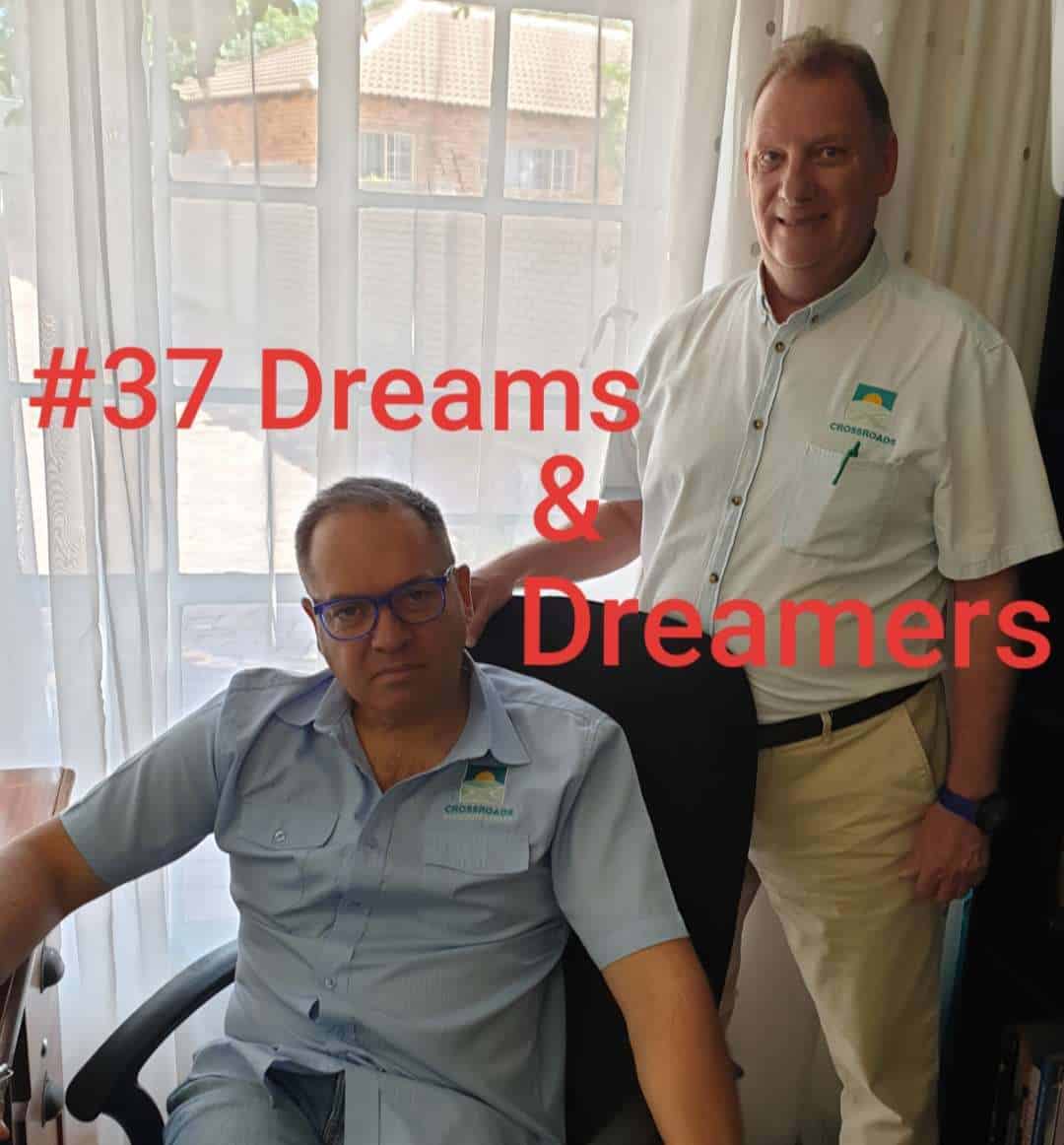
#37 Dreams & Dreamers

22 March, 2019Podcasts, News

“You are the maker of the dream …

Whatever you put into the dream must be what is in you.” – Fritz Perls.

There  is  little  doubt  that  your  dreams  can  impact  the  type  of  day  that  you  are  going  to  have. Dreams  can  indeed  be  very  significant. Dmitri  Mendeleev  came  up  with  the  idea  for  the  periodic  table  in  a  dream. Paul  McCartney  woke  up  with  a  tune  in  his  head  and   thought, ‘That’s great, I wonder what that is?’ and  began  to  write  down  the  music  for  what  became  “Yesterday” a  song  which  resonates  with  us  50  years  later.

How  does  our  day-dreaming  affect  our  conscious  lives ? Are  you  a  slave  to  your  unconscious  thinking ?

Is  it  possible  to  leverage  dreams  to  help  you  with  your  life ?

We  consider  these  questions  and  take  a  brief  look  at  what  Freud, Jung  and  the  Gestalt  theorists  had  to  say  about  dream  theory.

I hope you enjoy this podcast as much as I enjoyed the discussion.

This podcast was recorded as a series of lectures given to people in 12 step addiction recovery treatment. The purpose of these talks was to teach and motivate individuals to search for their own spiritual solution to their addiction.

Please feel free to contact me directly or go to our site for more information:

dominic@crrc.co.za

www.crossroadsrecovery.co.za

+27 012 345 1186 Pretoria

+27 010 597 7784 Johannesburg

No Obligation Addiction Assessment

Book a No Obligation Confidential Assessment at your nearest Treatment Centre Today.

Johannesburg Admissions: +27 74 895 1043
Pretoria Admissions: +27 82 653 3311
Close

Stories of Recovery

  • The encouragement, love and support from the team at Crossroads allowed me to eventually see that I was worth something - that my life could be turned around and that I could accomplish the things that had long been a forgotten dream.
    Oliver VG
    Read more
  • On the last day of my stint at Crossroads I could only express gratitude towards all who works there. A wise councillor once commented on my question when one is ready for rehab by explaining that when one is ready for rehab, rehab is ready for you.
    Johan B
    Read more
  • I was lost and my soul was broken until I ended up at Crossroads and was introduced to the Twelve Steps. With the help of their excellent staff and amazing support I have recently been clean for 18 months, I could not have done it without them!
    Carla S
    Read more
  • "Just for today I am more than three years in recovery. I have Cross Roads to thank for this wonderful gift. Cross Roads helped me to set a firm foundation in my recovery on which I can continue to build."
    Angelique J
    Read more
Left Arrow Right Arrow

Approved Medical Aids

Bestmed LogoBonitas LogoCAMAF LogoDiscovery Health LogoFedhealth LogoGovernment Employees Medical SchemeLiberty CorporateMedihelp Medical Scheme
add_action('wp_footer', function() { ?>