Whatever you put into
the dream must be what is in you.” – Fritz Perls.
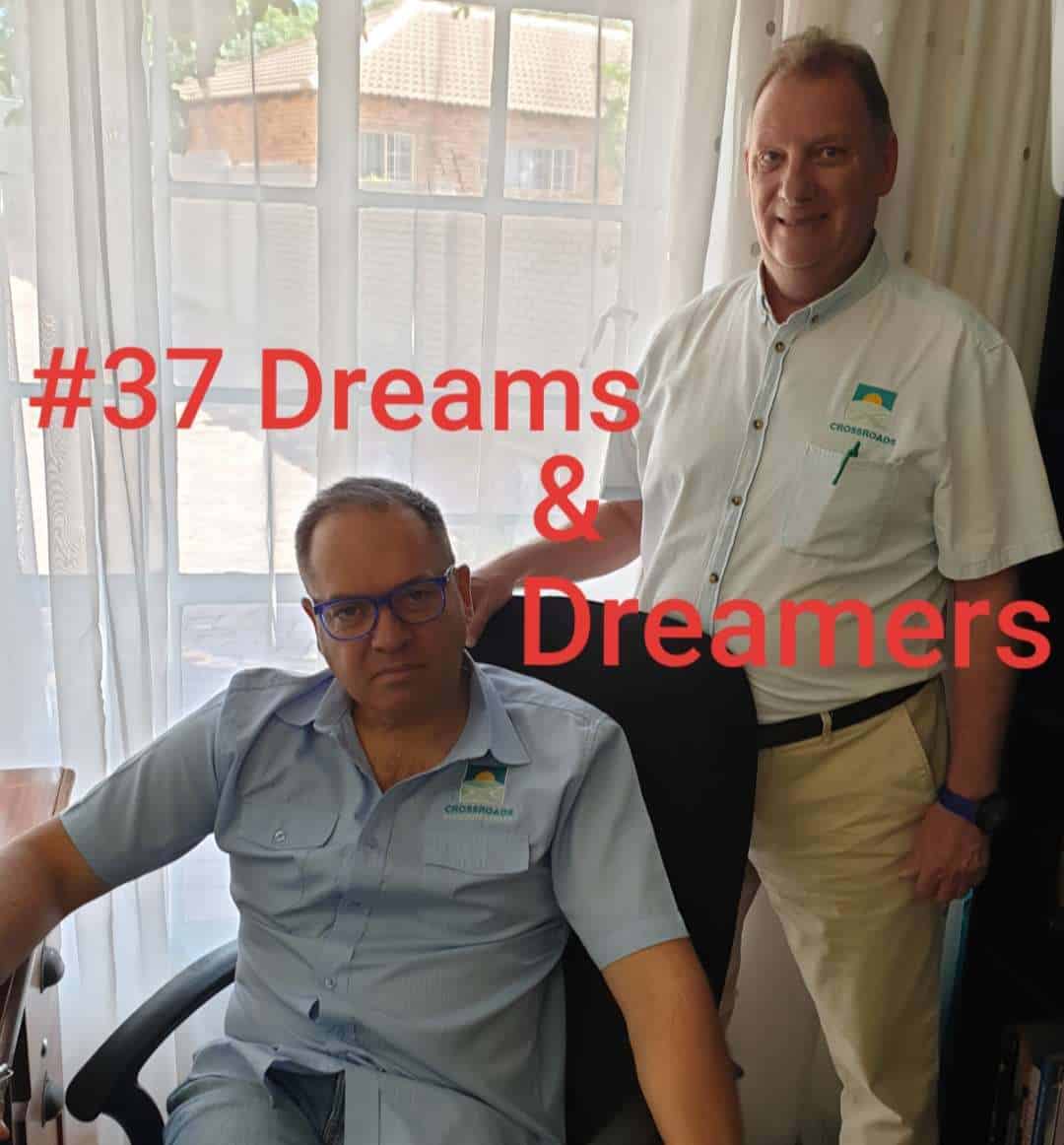
There is little doubt that your dreams can impact the type of day that you are going to have. Dreams can indeed be very significant. Dmitri Mendeleev came up with the idea for the periodic table in a dream. Paul McCartney woke up with a tune in his head and thought, ‘That’s great, I wonder what that is?’ and began to write down the music for what became “Yesterday” a song which resonates with us 50 years later.
How does our
day-dreaming affect our
conscious lives ? Are you
a slave to
your unconscious thinking ?
Is it possible
to leverage dreams
to help you
with your life ?
We consider these
questions and take
a brief look
at what Freud, Jung
and the Gestalt
theorists had to
say about dream
theory.
I hope you enjoy this podcast as much as I enjoyed the
discussion.
This podcast was recorded as a series of lectures given to
people in 12 step addictionrecoverytreatment.
The purpose of these talks was to teach and motivate individuals to search for
their own spiritual solution to their addiction.
Please feel free to contact me directly or go to our site
for more information:
The encouragement, love and support from the team at Crossroads allowed me to eventually see that I was worth something - that my life could be turned around and that I could accomplish the things that had long been a forgotten dream.
On the last day of my stint at Crossroads I could only express gratitude towards all who works there. A wise councillor once commented on my question when one is ready for rehab by explaining that when one is ready for rehab, rehab is ready for you.
I was lost and my soul was broken until I ended up at Crossroads and was introduced to the Twelve Steps. With the help of their excellent staff and amazing support I have recently been clean for 18 months, I could not have done it without them!
"Just for today I am more than three years in recovery. I have Cross Roads to thank for this wonderful gift. Cross Roads helped me to set a firm foundation in my recovery on which I can continue to build."
Drug abuse is no longer limited to illegal drugs or hard drugs like heroin, tik or cocaine. One of the most dangerous and rising forms of drug abuse is legal, over-the-counter (OTC) medicines. From cough syrups and painkillers to sleep medicine and prescription tranquilisers; these socially accepted drugs are cheap, accessible and addictive – making them all the more dangerous.
How are they addictive?
Drug addiction is a complex
disorder that is characterised by compulsive drug use. Every drug produces
different physical effects, but the common result is that repeated use can
alter the way the brain looks and functions.
When it comes to most
prescription or OTC medicines, repeated abuse floods the system with dopamine,
which gives the user that euphoric rush. Some experts believe the receptor
cells in the brain actually change. So when someone with a predisposition to
addiction uses these drugs repeatedly it causes the reward system to learn that
drugs are essential to their survival and they should get it at any cost.
Dependence versus Addiction
Many people can use recreational
or prescription drugs without ever experiencing negative consequences or
addiction. For many others, continuous use of these substances quickly leads to
abuse and then addiction. It’s not always easy to tell when the line has been
crossed, but some common behaviours indicating drug addiction include:
• neglecting responsibilities to
family and friends
• performing poorly at work
• losing interest in sex.
Dependency is much more
commonplace. Anyone who takes prescription medicine for more than a few weeks
will develop some physical dependence on the drug for the relief it brings, be
it to pain or insomnia. Usually, people are on stable, generally lower doses of
the medicine. If they do stop suddenly, they will probably have some mild
withdrawal symptoms, which will go away once they have ‘detoxed’. If people
seek out further reasons to take the drug, they may be developing an addiction.
People that tend towards addiction usually abuse the drug with the intention of
lessening their anxiety or getting high (escaping their feelings or reality).
The pleasure of getting high and the fear of withdrawal instruct the brain to
compulsively seek out the drug, at any cost, and to crave its continued use
despite the negative consequences.
Some commonly abused prescription drugs
Barbiturates or sedatives: High doses can cause
trouble breathing, especially if taken with alcohol.
Benzodiazepines: Another type of sedative that
helps with anxiety, panic attacks and sleep problems.
Sleep medicines: Help people who suffer from
insomnia but, when abused, addicts start to believe they need them to sleep.
Codeine and morphine: Painkillers, specifically
opioids, are some of the most commonly abused OTC medicines. In small doses
these drugs dull pain, but in large doses they can cause a euphoric high and
some dangerous side effects like drowsiness, constipation and breathing
problems.
These readily available OTC drugs
are especially popular with teenagers:
Diet pills: Teenagers are prone to “going on
diets” and will often try anything which claims to make them thinner or
prettier. The abuse of diet pills often starts with teenagers just taking “a
couple” to lose weight. In large doses, these pills can create a mild buzz and
false “energy”, a feeling that can be addictive in itself. Continued misuse of
diet pills can signal a serious eating disorder or lead to many physical side
effects.
Amphetamines: Often used to help people with
ADHD, some people (often teenagers) use amphetamines to increase energy and
alertness, or to keep their weight down. High doses can cause a rise in body
temperature, irregular heartbeat and sometimes cardiac arrest.
Dextromethorphan (DXM): Is a common ingredient
in over-the-counter cold and cough medicines, which in large doses can cause a
high, hallucinations, vomiting, rapid heart rate, and brain damage.
Pseudoephedrine: A decongestant in many
non-prescription cold medicines that helps to clear up stuffy noses; it is also
an ingredient in the illegal methamphetamine or “meth”.
What is the scope of prescription drug misuse?
Misuse of prescription opioids,
CNS depressants, and stimulants is a serious public health problem in the
United States. Although most people take prescription medications responsibly,
in 2017, an estimated 18 million people (more than 6 percent of those aged 12
and older) have misused such medications at least once in the past year.
According to results from the 2017 National Survey on Drug Use and Health, an
estimated 2 million Americans misused prescription pain relievers for the first
time within the past year, which averages to approximately 5,480 initiates per
day. Additionally, more than one million misused prescription stimulants, 1.5
million misused tranquilizers, and 271,000 misused sedatives for the first
time.
The reasons for the high prevalence of prescription drug misuse vary by age, gender, and other factors, but likely include ease of access. The number of prescriptions for some of these medications has increased dramatically since the early 1990s. Moreover, misinformation about the addictive properties of prescription opioids and the perception that prescription drugs are less harmful than illicit drugs are other possible contributors to the problem. Although misuse of prescription drugs affects many Americans, certain populations such as youth and older adults may be at particular risk.
If you or a loved one needs assistance with an addiction – know that help is readily available. The road to recovery is not always an easy one but getting yourself or your loved one the best possible care from the team at Crossroads Recovery Centre, provides you with a map to sober, healthy living. No matter how bad things seem, there is hope and it’s only a phone call away. If you or anyone close to you needs help with an addiction to sex, gambling, substances, alcohol or food, please contact us for a free assessment.
The encouragement, love and support from the team at Crossroads allowed me to eventually see that I was worth something - that my life could be turned around and that I could accomplish the things that had long been a forgotten dream.
On the last day of my stint at Crossroads I could only express gratitude towards all who works there. A wise councillor once commented on my question when one is ready for rehab by explaining that when one is ready for rehab, rehab is ready for you.
I was lost and my soul was broken until I ended up at Crossroads and was introduced to the Twelve Steps. With the help of their excellent staff and amazing support I have recently been clean for 18 months, I could not have done it without them!
"Just for today I am more than three years in recovery. I have Cross Roads to thank for this wonderful gift. Cross Roads helped me to set a firm foundation in my recovery on which I can continue to build."
Interconnected Transitions : “Later I also learned to go into that inner timeless and deathless realm that I have originally perceived as a void and remain fully conscious.” The Power of Now : A Guide to Spiritual Enlightenment – Eckhart Tolle.
Interconnected Transitions: When I fail to take responsibility for myself, drama begins to creep into my life but continuously taking responsibility requires sustained effort. Managing transition periods results in personal evolution.
I hope you enjoy this podcast as much as I enjoyed the
discussion.
This podcast was recorded as a series of lectures
given to people in 12 step addictionrecoverytreatment.
The purpose of these talks was to teach and motivate individuals to search for
their own spiritual solution to their addiction.
Please feel free to contact me directly or go to our
site for more information:
The encouragement, love and support from the team at Crossroads allowed me to eventually see that I was worth something - that my life could be turned around and that I could accomplish the things that had long been a forgotten dream.
On the last day of my stint at Crossroads I could only express gratitude towards all who works there. A wise councillor once commented on my question when one is ready for rehab by explaining that when one is ready for rehab, rehab is ready for you.
I was lost and my soul was broken until I ended up at Crossroads and was introduced to the Twelve Steps. With the help of their excellent staff and amazing support I have recently been clean for 18 months, I could not have done it without them!
"Just for today I am more than three years in recovery. I have Cross Roads to thank for this wonderful gift. Cross Roads helped me to set a firm foundation in my recovery on which I can continue to build."
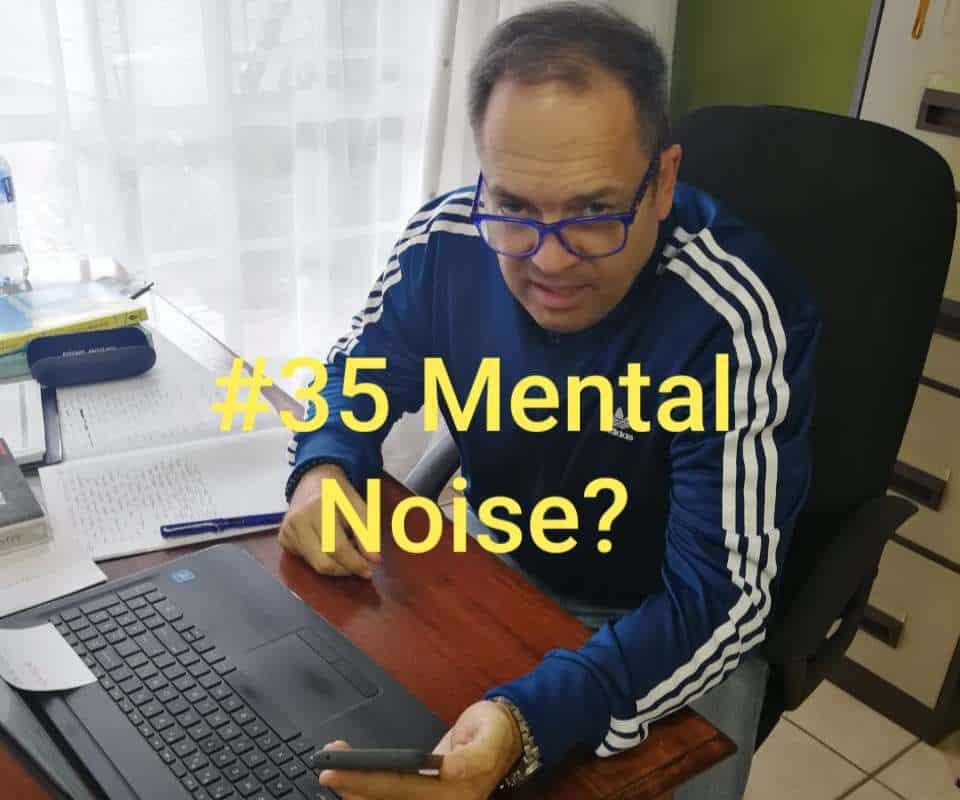
Mental Noise? How do we reach a shift in consciousness within ourselves ? What does it take for this to occur ? Is it an external event or an internal event ? What does finding enlightenment for yourself have in common with the birth of the universe and the possibility of there being life on other planets ? Both are rare events.
Drawing an analogy between what it takes to create planetary life forms and what it takes to reach enlightenment for ourselves, we take a journey through the Fermi Paradox, the Boltzmann Brain Theory, cataclysmic events and Eckhart Tolle’s book “The Power of Now: A Guide to Spiritual Enlightenment “ – to try and answer some of these questions.
Quotes :
“Some changes
look negative on the surface
but you will
soon realise that
space is being
created in your
life for something
new to emerge.” – Eckhart Tolle.
“To know
yourself as the
Being underneath the
thinker, the stillness underneath
the mental noise, the
love and joy
underneath the pain
is freedom, salvation,
enlightenment” – Eckhart
Tolle.
I hope you enjoy this podcast as much as I enjoyed the
discussion.
This podcast was recorded as a series of lectures given to
people in 12 step addictionrecoverytreatment.
The purpose of these talks was to teach and motivate individuals to search for
their own spiritual solution to their addiction.
Please feel free to contact me directly or go to our site
for more information:
The encouragement, love and support from the team at Crossroads allowed me to eventually see that I was worth something - that my life could be turned around and that I could accomplish the things that had long been a forgotten dream.
On the last day of my stint at Crossroads I could only express gratitude towards all who works there. A wise councillor once commented on my question when one is ready for rehab by explaining that when one is ready for rehab, rehab is ready for you.
I was lost and my soul was broken until I ended up at Crossroads and was introduced to the Twelve Steps. With the help of their excellent staff and amazing support I have recently been clean for 18 months, I could not have done it without them!
"Just for today I am more than three years in recovery. I have Cross Roads to thank for this wonderful gift. Cross Roads helped me to set a firm foundation in my recovery on which I can continue to build."