Meditation and Addiction

Reach out now, we can help
Home / Posts tagged "#spirituality" (Page 3)

Meditation and Addiction

10 June, 2020Articles, News

Step 11, of the 12 step programme encourages us to meditate, but what does it mean to meditate and what changes take place in our brains when we engage in meditation? How can meditation assist us as addicts?

Meditation is a practice where an individual uses various techniques in order to achieve focused attention and awareness, with the aim of achieving mental clarity, emotional calmness and general stability. One purpose of meditation is to observe ones own mind.

There are many different forms of meditation : mindfulness meditation, body scan meditation, breath awareness, guided meditation, visualization, loving kindness meditations, Mantra meditation, Kundalini yoga, Zen meditation, Transcendental meditation….there are hundreds of different types of meditations from a variety of cultures and religions around the world. There is no “best type” of meditation, what works for you may not work for someone else and what works for you today, may not work for you on another day. If you are new to meditation, then it is best to try a few different types and learn what works best for you.

What actually happens in our brains and bodies when we meditate ?

Associate Researcher in the Psychiatry Department at Massachusetts General Hospital, Sara Lazar, has spent time researching the impact of regular meditation on our brains. One of her studies involving brain scans taken pre and post an 8 week course in meditation, showed an increase in the size of the hippocampus. The hippocampus plays a role in learning as well in the consolidation of information from short-term memory to long-term memory. People who have experienced trauma or who are prone to depression have smaller hippocampi – studies showed that there was a correlation between regular meditation and an increase in the size of the hippocampus in these people. It was not the only part of the brain which demonstrated changes – the amygdala which is associated with how we experience stress, fear and anger also showed changes after 8 weeks of mindfulness training. When subjects were shown images containing emotional content -there was a decrease in the activity of the amygdala. Subjects for this study had MRI’s before an 8 week mindfulness course and after the course. A “relaxed” amygdala is successfully able to counteract an anxiety response by engaging the parasympathetic nervous system thereby slowing down our heart rates, deepening and slowing our breathing. When the amygdala is overactive, it releases cortisol and adrenaline into the bloodstream. These are stress hormones which provide us with necessary energy in times of danger but have damaging effects on the body in the long term if they are too often available in the body.

Other studies show differences in the temporoparietal junction, where people who meditate frequently and consistently are better able to see things from multiple points of view which is an important aspect when it comes to showing empathy and compassion. Meditators have also demonstrated higher levels of alpha waves which reduces feelings of negativity which also helps to combat against depression.

Increasingly, we are able to verify, scientifically, brain changes in subjects who employ meditation techniques. The effectiveness of meditation, in long-term changes in both behaviour and the brain, is influenced by how often one meditates and how long the sessions are. By retraining your mind through mindfulness practice, you create new neural networks. You can retrain your brain.

Meditation and Relapse Prevention.

In 2018, researchers looked at using mindfulness meditation in the treatment of substance use disorders and the prevention of future relapses. Mindfulness is the concept of being present in our own lives and is characterised by “a non-judgemental, non-reactive, present-centred attention and metacognitive awareness of cognition”. With relapse rates being as high as 60 % within the first year of intervention (e.g., cognitive-behavioral therapy, motivational interviewing, and 12-step programmes ), therapists began to look towards mindfulness-based interventions (MBI’s) and Mindfulness-Based Relapse Prevention (MBRP). Addiction wreaks havoc on our neurocognitive capacities. Chronic drug and alcohol use disrupts and usurps some normal brain circuitry. One of those is the reward processes in our brains. Mindfulness training can increase our natural reward responsiveness – such as our enjoyment of food. This in turn can reduce cravings. There is also no doubt that there is a link between stress and substance use disorders. Meditation teaches us to self-regulate stress and our own stress reactions. There is definitely preliminary evidence for the efficacy of mindfulness based interventions in the area of relapse prevention although more rigorous research designs with longer follow-up periods are required.

Meditation alone, will not be sufficient. There is little doubt that further research needs to be done in this field but there is now, thanks to technology, clear evidence that regular, consistent engagement with meditation can have a positive effect on our brains and can be a highly beneficial tool in our arsenal against the disease of addiction.

Sources :

https://www.researchgate.net/publication/233302118_Meditation_as_a_Coping_Intervention_for_Treatment_of_Addiction

https://www.dovepress.com/mindfulness-meditation-in-the-treatment-of-substance-use-disorders-and-peer-reviewed-fulltext-article-SAR

https://blogs.scientificamerican.com/guest-blog/your-brain-as-laboratory-the-science-of-meditation/

https://news.harvard.edu/gazette/story/2018/04/harvard-researchers-study-how-mindfulness-may-change-the-brain-in-depressed-patients/

https://www.psychologytoday.com/za/blog/the-wise-open-mind/201004/mindfulness-meditation-addiction

Sara Lazar – How Meditation Changes the Brain https://www.youtube.com/watch?v=GOIwtTmpc-I

The Scientific Power of Meditation : https://www.youtube.com/watch?v=Aw71zanwMnY

No Obligation Addiction Assessment

Book a No Obligation Confidential Assessment at your nearest Treatment Centre Today.

Johannesburg Admissions: +27 74 895 1043
Pretoria Admissions: +27 82 653 3311
Close

Stories of Recovery

  • The encouragement, love and support from the team at Crossroads allowed me to eventually see that I was worth something - that my life could be turned around and that I could accomplish the things that had long been a forgotten dream.
    Oliver VG
    Read more
  • On the last day of my stint at Crossroads I could only express gratitude towards all who works there. A wise councillor once commented on my question when one is ready for rehab by explaining that when one is ready for rehab, rehab is ready for you.
    Johan B
    Read more
  • I was lost and my soul was broken until I ended up at Crossroads and was introduced to the Twelve Steps. With the help of their excellent staff and amazing support I have recently been clean for 18 months, I could not have done it without them!
    Carla S
    Read more
  • "Just for today I am more than three years in recovery. I have Cross Roads to thank for this wonderful gift. Cross Roads helped me to set a firm foundation in my recovery on which I can continue to build."
    Angelique J
    Read more
Left Arrow Right Arrow

Approved Medical Aids

Bestmed LogoBonitas LogoCAMAF LogoDiscovery Health LogoFedhealth LogoGovernment Employees Medical SchemeLiberty CorporateMedihelp Medical Scheme

Character Defects and Addiction

Reach out now, we can help
Home / Posts tagged "#spirituality" (Page 3)

Character Defects and Addiction

15 May, 2020Articles, News

What are character defects?

Character defects are generally known as flaws, shortcomings or deficiencies that are found within a person who suffers from addiction. Although there is much debate around the fact that addicts and alcoholics choose to use drugs or alcohol, the main issue here is, the defects of character are what makes an addict or alcoholic continue to abuse their preferred substance. Character defects are usually the source of a person acting irresponsibly and in that process, creating suffering for themselves and others. A list of defects can include dishonesty, selfishness, self-centeredness, inconsideration and many more. Character defects can apply to any person, not just to addicts and alcoholics. No human is perfect.

What is the reasoning behind an addict acting out on defects of character?

There are many reasons that an addict or alcoholic may act out on their defects of character. Someone who is drunk may get emotionally or physically aggressive while drinking or an addict may lie or manipulate in order to enable their addiction. Many addicts and alcoholics act out on defects because of their own fears and insecurities and this leads to an endless trail of destruction and chaos. Most defects are acted on, in order to meet the persons needs. This can be explained by Carl Rogers’ 19 propositions where the needs of an individual shape their behaviour in order to satisfy those needs. This is true of addicts and alcoholics in active addiction.

What happens if the behaviour continues?

When an addict or alcoholic continues acting out on their defects of character, it usually leaves a trail of consequences and results in them feeling isolated, alone, and afraid. These consequences may include- financial, strained relationships, lost friendships, jails, institutions etc., etc.. Character defects are usually developed through experiences with others, which also forms part of Carl Rogers’ theory of the 19 propositions. We develop our character through experiences with others and the world around us. Our character is usually based on our goals and values. In active addiction we frequently lose sight of those goals and values. How do we change all of this?

Removing our shortcomings

Once the addict or alcoholic has asked for help, they then enter into a treatment programme or programme of recovery. It is stated in the Big Book of Alcoholics Anonymous, that we first need to complete a moral inventory of ourselves in order to identify our defects of character. Only then are we able to honestly look at ourselves and identify our part in a situation. When we take responsibility for this, we are able to see where we have been wrong. This happens in step 4 and 5 of the 12 steps of AA. In step 6, we become willing for our higher power to remove our defects of character. In creating the awareness around our defects of character in the previous steps, we try now to look at how to replace them with spiritual principles instead so that when we act out on our defects, we chose to do more good than harm and work on improving ourselves on a daily basis.

Dominique Le Claire Rossouw

No Obligation Addiction Assessment

Book a No Obligation Confidential Assessment at your nearest Treatment Centre Today.

Johannesburg Admissions: +27 74 895 1043
Pretoria Admissions: +27 82 653 3311
Close

Stories of Recovery

  • The encouragement, love and support from the team at Crossroads allowed me to eventually see that I was worth something - that my life could be turned around and that I could accomplish the things that had long been a forgotten dream.
    Oliver VG
    Read more
  • On the last day of my stint at Crossroads I could only express gratitude towards all who works there. A wise councillor once commented on my question when one is ready for rehab by explaining that when one is ready for rehab, rehab is ready for you.
    Johan B
    Read more
  • I was lost and my soul was broken until I ended up at Crossroads and was introduced to the Twelve Steps. With the help of their excellent staff and amazing support I have recently been clean for 18 months, I could not have done it without them!
    Carla S
    Read more
  • "Just for today I am more than three years in recovery. I have Cross Roads to thank for this wonderful gift. Cross Roads helped me to set a firm foundation in my recovery on which I can continue to build."
    Angelique J
    Read more
Left Arrow Right Arrow

Approved Medical Aids

Bestmed LogoBonitas LogoCAMAF LogoDiscovery Health LogoFedhealth LogoGovernment Employees Medical SchemeLiberty CorporateMedihelp Medical Scheme

A Spiritual not Religious Programme

Reach out now, we can help
Home / Posts tagged "#spirituality" (Page 3)

A Spiritual not Religious Programme

31 January, 2020Articles, News

The misconception of the “spiritual” aspect of the programme.

Often, when someone comes into a 12-step programme, they either come in as atheist, agnostic or belonging to a certain religious denomination. This can create panic in an individual’s mind as it states in the 12 steps “that we came to believe in a power greater than ourselves…… and turn our will and our lives over to the care of God as we understand him”. The misconception of this, is that, some individuals become uncomfortable and feel that they are pressured into believing in something specific or that they may be forced to move over to a different religion, and this often deters someone from seeking out recovery. Many people don’t understand what we mean by “spiritual” in a programme of recovery. The programme only teaches us to live by spiritual principles, not according to a certain religion. Many people will have something they believe in. The programme helps us to reconnect to that path that we may have forgotten in active addiction. In a programme of recovery we choose to focus on spirituality rather than specific religions.

What do we mean by a spiritual, not religious programme?

While working a 12-step recovery programme, each of us will follow our own individual spiritual path. We are not forced to take on a new religion or change our beliefs. What the programme means by “spiritual” is that in doing the steps, we find ourselves on a path of self-discovery. By doing so, we become reconnected with the God of OUR understanding, with ourselves and with the world around us. It is important for those of us working a programme of recovery, whether we believe or not, to create our own spiritual path. This may be complicated or difficult for some people, but it can be done. The 12-step programme works in our lives no matter what our beliefs are. Some people may struggle with this concept at first, but if they trust the process, they may find the spiritual path they have been seeking.

What do we mean by spiritual principles?

Spiritual principles are not separate from the actions we need to take. They are connected. By applying spiritual principles in our daily lives such as honesty, open-mindedness and willingness, it allows us to work a programme of recovery and develop our own values of what we want out of our lives and how we are going to live by them. This is important for an individual who has come from active addiction and lived a completely dishonest and selfish life. Spiritual principles help us to identify our beliefs, actions and the reasons why we act as we do. According to the Big Book of Alcoholics Anonymous, there are 31 spiritual principles that someone in recovery can live by.

Why is a connection to the God of our understanding important?

Having a Higher Power in recovery is a pivotal part of the programme. Addicts and alcoholics are often trying to fill a void in their soul with external sources such as drugs, alcohol, food, sex or gambling. This void happens to be somewhat bigger than any external source. A more meaningful way of living a life of sobriety, is to fill this void with a belief in something that is bigger than you, bigger than all of us. The belief frees us from having to control the world and our lives and replaces calamity with serenity. In active addiction, the person will often run on self-will, trying to control everything around them causing powerlessness and unmanageability in their lives. Step 3 of the programme helps us to hand our will over to a power greater than ourselves. This leads to the addict becoming surrendered, and their lives can become more peaceful and more manageable. Without connection we can feel lost and not know how to handle life on life’s terms. So, it is important for any addict in recovery to remain connected, not only to a power greater than themselves, but to the fellowship as well.

Dominique Le Claire Rossouw

No Obligation Addiction Assessment

Book a No Obligation Confidential Assessment at your nearest Treatment Centre Today.

Johannesburg Admissions: +27 74 895 1043
Pretoria Admissions: +27 82 653 3311
Close

Stories of Recovery

  • The encouragement, love and support from the team at Crossroads allowed me to eventually see that I was worth something - that my life could be turned around and that I could accomplish the things that had long been a forgotten dream.
    Oliver VG
    Read more
  • On the last day of my stint at Crossroads I could only express gratitude towards all who works there. A wise councillor once commented on my question when one is ready for rehab by explaining that when one is ready for rehab, rehab is ready for you.
    Johan B
    Read more
  • I was lost and my soul was broken until I ended up at Crossroads and was introduced to the Twelve Steps. With the help of their excellent staff and amazing support I have recently been clean for 18 months, I could not have done it without them!
    Carla S
    Read more
  • "Just for today I am more than three years in recovery. I have Cross Roads to thank for this wonderful gift. Cross Roads helped me to set a firm foundation in my recovery on which I can continue to build."
    Angelique J
    Read more
Left Arrow Right Arrow

Approved Medical Aids

Bestmed LogoBonitas LogoCAMAF LogoDiscovery Health LogoFedhealth LogoGovernment Employees Medical SchemeLiberty CorporateMedihelp Medical Scheme

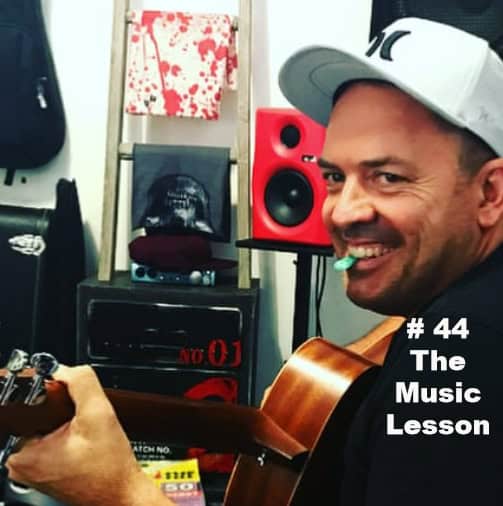
#44 The Music Lesson

Reach out now, we can help
Home / Posts tagged "#spirituality" (Page 3)

#44 The Music Lesson

25 October, 2019Podcasts, News

“Most people are prisoners, thinking only about the future or living in the past. They are not in the present, and the present is where everything begins.” – Carlos Santana.

Using the illustration of what it takes to play the guitar with skill, we look at what it takes to maintain sobriety. Recovery from addiction involves the learning of new skills and it takes commitment, dedication and many, many hours – and there will be parts of it that you will not enjoy.
Acquiring a new skill means you are required to learn, you need to teach yourself and you need a feed-back mechanism in the form of a teacher or a coach or, in the case of recovering from addiction – a sponsor. In order to make progress, you will need to learn about your disease. You will need to make sure that you are not blindly repeating the same mistakes over again, and that you cannot do in isolation.

I hope you enjoy the podcast.

This podcast was recorded as a series of lectures given to people in 12 step addiction recovery treatment. The purpose of these talks was to teach and motivate individuals to search for their own spiritual solution to their addiction.

Please feel free to contact me directly or go to our site for more information:

dominic@crrc.co.za

www.crossroadsrecovery.co.za

+27 012 345 1186 Pretoria

+27 010 597 7784 Johannesburg

No Obligation Addiction Assessment

Book a No Obligation Confidential Assessment at your nearest Treatment Centre Today.

Johannesburg Admissions: +27 74 895 1043
Pretoria Admissions: +27 82 653 3311
Close

Stories of Recovery

  • The encouragement, love and support from the team at Crossroads allowed me to eventually see that I was worth something - that my life could be turned around and that I could accomplish the things that had long been a forgotten dream.
    Oliver VG
    Read more
  • On the last day of my stint at Crossroads I could only express gratitude towards all who works there. A wise councillor once commented on my question when one is ready for rehab by explaining that when one is ready for rehab, rehab is ready for you.
    Johan B
    Read more
  • I was lost and my soul was broken until I ended up at Crossroads and was introduced to the Twelve Steps. With the help of their excellent staff and amazing support I have recently been clean for 18 months, I could not have done it without them!
    Carla S
    Read more
  • "Just for today I am more than three years in recovery. I have Cross Roads to thank for this wonderful gift. Cross Roads helped me to set a firm foundation in my recovery on which I can continue to build."
    Angelique J
    Read more
Left Arrow Right Arrow

Approved Medical Aids

Bestmed LogoBonitas LogoCAMAF LogoDiscovery Health LogoFedhealth LogoGovernment Employees Medical SchemeLiberty CorporateMedihelp Medical Scheme
add_action('wp_footer', function() { ?>