The Role of Community in Enhancing Substance Abuse Rehabilitation in South Africa

Reach out now, we can help
Home / Posts tagged "jhb rehab" (Page 4)

The Role of Community in Enhancing Substance Abuse Rehabilitation in South Africa

02 May, 2025Articles, News

Strengthening Substance Abuse Rehabilitation Through Community Support in South Africa

Communities have a responsibility to plan as well as implement research-based prevention programs which are aimed at addressing substance abuse. Actions which can be observed by various communities can include identifying, assessing needs and community readiness as well as motivating the community members to take part in the action.

The Role of Community Support in Substance Abuse Rehabilitation

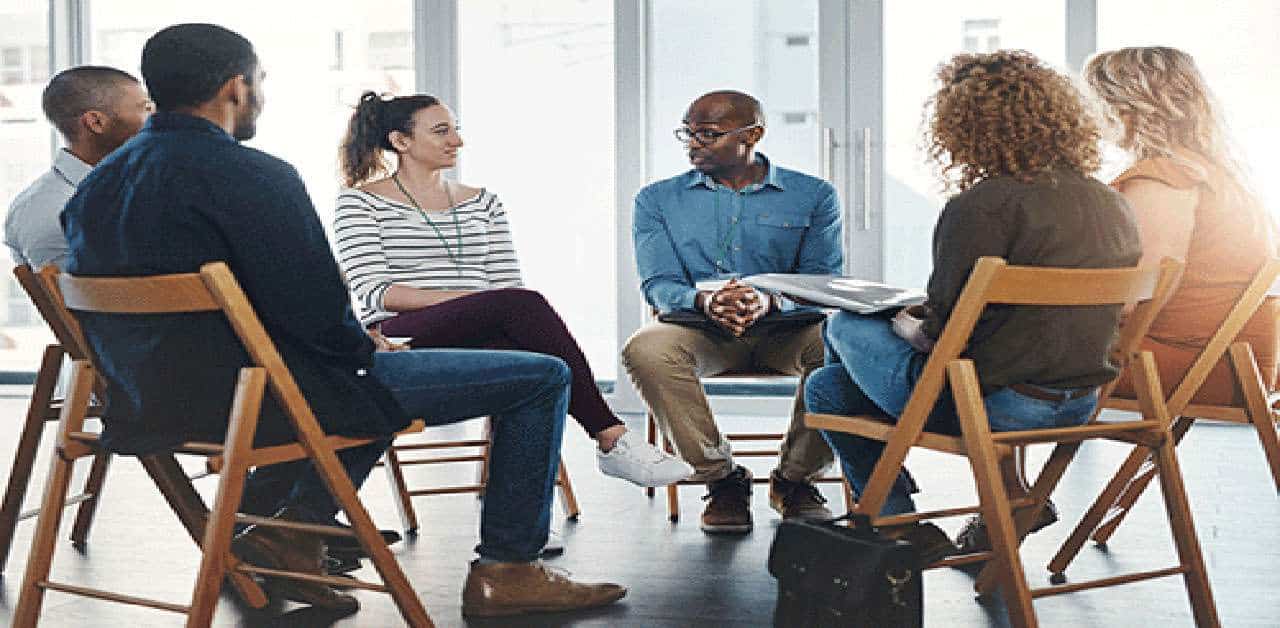
The role of the community can include connection through fostering relationships which is vital to mental health and substance use rehabilitation. Community led support groups have been known to create a safe environment for members to share their experiences and stories as well as receiving emotional support and learning from others in rehabilitation.

The role of the community also includes connecting or providing for essential resources like treatment centres which focus on substance abuse rehabilitation as well as peer support. The community can also reduce the stigma of substance abuse by promoting an understanding of rehabilitation and its benefits as well as encouraging members to seek help.

Take Control of Your Recovery Journey

At Crossroads Recovery Centre, we offer personalised programs to help you maintain your sobriety and navigate life’s challenges. Whether you’re in Johannesburg or Pretoria, we’re here to support you on your recovery journey. Contact us today to learn more about our comprehensive addiction treatment services and how we can help you stay on track.

Supportive Sobriety Programs in Johannesburg and Pretoria

Advocating for change and social policies including practices that support the prevention, rehabilitation and recovery from substance abuse in South Africa. The role of the community can also be one of offering after-care programs aligned with rehabilitation programs which are offered in in-patient and out-patient treatment centres for substance abuse.

Raising awareness is also one of the roles communities can play by initiating community-led initiatives which can raise an awareness about substance abuse as a public health program and an understanding of substance abuse, the rehabilitation process and the after-care program.

FAQs and Answers

1. Why is community involvement vital for substance abuse rehabilitation in South Africa?
Community involvement creates a support system that reinforces recovery efforts and reduces relapse rates by encouraging open dialogue and acceptance.

2. How can local leaders support substance abuse rehabilitation?
Local leaders can promote awareness campaigns, allocate resources, and champion stigma-reduction initiatives in their communities.

3. Are there culturally sensitive approaches to rehabilitation in South Africa?
Yes, many rehab centres and support groups incorporate local languages, customs, and values to enhance treatment relevance and effectiveness.

4. How does community education help prevent substance abuse?
Education raises awareness of the risks and signs of addiction and equips individuals with the tools to seek help or intervene early.

5. What role do schools play in substance abuse rehabilitation support?
Schools can act as early intervention points, offering counselling referrals, life skills programmes, and collaboration with local rehab centres.

6. Can neighbourhood watch or CPF groups help with substance abuse support?
Yes, community policing forums and local watch groups can identify trends, report concerns, and connect affected individuals with treatment services.

7. What role does faith-based outreach play in rehabilitation efforts?
Faith-based organisations often offer emotional support, spiritual counselling, and safe spaces for recovery, particularly in under-resourced communities.

8. How can families in South Africa support community-based rehabilitation?
Families can get involved by joining support groups, encouraging treatment participation, and advocating for better rehab access in their areas.

No Obligation Addiction Assessment

Book a No Obligation Confidential Assessment at your nearest Treatment Centre Today.

Johannesburg Admissions: +27 74 895 1043
Pretoria Admissions: +27 82 653 3311
Close

Stories of Recovery

  • The encouragement, love and support from the team at Crossroads allowed me to eventually see that I was worth something - that my life could be turned around and that I could accomplish the things that had long been a forgotten dream.
    Oliver VG
    Read more
  • On the last day of my stint at Crossroads I could only express gratitude towards all who works there. A wise councillor once commented on my question when one is ready for rehab by explaining that when one is ready for rehab, rehab is ready for you.
    Johan B
    Read more
  • I was lost and my soul was broken until I ended up at Crossroads and was introduced to the Twelve Steps. With the help of their excellent staff and amazing support I have recently been clean for 18 months, I could not have done it without them!
    Carla S
    Read more
  • "Just for today I am more than three years in recovery. I have Cross Roads to thank for this wonderful gift. Cross Roads helped me to set a firm foundation in my recovery on which I can continue to build."
    Angelique J
    Read more
Left Arrow Right Arrow

Approved Medical Aids

Bestmed LogoBonitas LogoCAMAF LogoDiscovery Health LogoFedhealth LogoGovernment Employees Medical SchemeLiberty CorporateMedihelp Medical Scheme

How To Choose The Right Rehabilitation Centre In South Africa For Your Needs

Reach out now, we can help
Home / Posts tagged "jhb rehab" (Page 4)

How To Choose The Right Rehabilitation Centre In South Africa For Your Needs

24 April, 2025Articles, News

Find the Right Rehabilitation Centre in South Africa for Personalised Recovery

Once the decision has been made to enter a drug and alcohol rehabilitation centre, because of various failed attempts to cease drug or alcohol abuse, it is evident that professional help is necessary.

Looking at the multiple private rehabilitation centres in South Africa, it is important to identify certain factors before a decision is made on which rehabilitation centre is right for your needs.

The following guidelines are important to take note of:

  • Is the facility licenced?
  • What program does the facility offer?
  • What does a typical day in the rehabilitation centre look like?
  • Does the rehabilitation centre offer after care?

Take Control of Your Recovery Journey

At Crossroads Recovery Centre, we offer personalised programs to help you maintain your sobriety and navigate life’s challenges. Whether you’re in Johannesburg or Pretoria, we’re here to support you on your recovery journey. Contact us today to learn more about our comprehensive addiction treatment services and how we can help you stay on track.

Supportive Sobriety Programs in Johannesburg and Pretoria

Is the Rehabilitation Centre Licenced?

The most important requirement would be if the rehabilitation facility is licensed, the reason being that a licenced facility undergoes regular inspections and needs to comply to a specific level of standards and compliance. This ensures that you have a treatment team which is not only professional but have the necessary experience and qualifications to support your recovery journey.

What Program does the facility offer?

  • Treatment programs vary and rehabilitation Centres use different modalities. It is best to choose a program that is easily accessible and simple to follow. An example of a widely recognized treatment program is the 12 Step Groups, such as Alcoholics Anonymous or Narcotics Anonymous, which are known and utilized globally.  It is a comprehensive approach to substance abuse and has a holistic view of addiction and recovery. This treatment program is based on a thorough understanding of addiction and recovery. It is popular for rehabilitation centres to be a “12 step based” treatment facility.

An effective treatment program would be a program that includes and makes use of evidence – based therapeutic approaches and research – supported interventions. The program should also he able to be adapted to your individual needs.

It is also suggested that you can explore the duration of treatment offered which generally ranges from 30,60 and 90 days. Can the Rehabilitation centre accommodate your length stay in treatment which depends on the individual and what will bring the highest chance of long-term recovery. The benefits of longer treatment is an increased chance of facilitating lasting change and the likelihood of long term recovery.

What does a typical day in a rehabilitation centre look like?

It is important that the rehabilitation centre is transparent around what the therapeutic day entails and the goals. A well thought of therapeutic treatment day will include:

Group therapy encouraging participation in a secure therapeutic space. Group therapy is effective as it fosters connection, promotes understanding and cultivates empathy (promotes emotional intelligence) which is important in the recovery process. Group therapy further aids in the acquiring of new skills to enable the navigation of challenges which comes with recovery.

Individual therapy engages the clients on a one on one basis, using therapeutic methods to motivate change in a trusting and encouraging setting. This includes treatment planning following an assessment of the individual’s readiness to change and engage in the treatment process. Progress is assessed during individual therapy sessions, challenges are identified, and action plans are developed to address any obstacles.  

Further to the above a well thought of treatment day would include:

  • Balanced meals and mealtime, to promote healthy eating changes and habits.
  • Specific time for exercise, to encourage health changes and well-being.
  • Therapeutic duties, to encourage taking responsibility and accountability increasing self-esteem.
  • Specific waking and bedtime, to establish healthy sleeping patterns and routine.
  • Structured free time, promote time management.
  • Mindful relaxation techniques such as yoga to promote mental and emotional wellness.

A structured day and active participation in all scheduled activities are essential for engaging individuals and ensuring that rehabilitation remains the focus throughout the day.

Family therapy sessions are also a significant component of the treatment plan. Involving family members in the recovery process can repair relationships, build a supportive home environment, and educate loved ones about addiction and recovery.

Does the centre offer after care?

The goal of rehabilitation is to provide individuals with treatment and support in a therapeutic setting, preparing them to lead a normal life free from the use of drugs and alcohol. This process also focuses on achieving balance within recovery and adapting to life’s challenges. Aftercare services offer individuals the opportunity to implement their recovery plans and address any issues or difficulties encountered during abstinence and recovery.

FAQs and Answers

1. How do I compare different rehabilitation centres in South Africa?
Compare centres based on location, licencing, success rates, therapy options, accommodation, reviews, and ongoing support services.

2. Can I visit a rehabilitation centre in South Africa before admission?
Yes, most licensed rehabilitation centres allow pre-admission tours to meet the team, see the environment, and understand daily routines.

3. Are there gender-specific rehabilitation centres in South Africa?
Some rehabilitation centres offer gender-specific programs to create safe and relatable environments for men and women recovering.

4. What is the cost of a private rehabilitation centre in South Africa?
Costs vary depending on duration, services, and amenities. Many centres accept medical aids, and payment plans may be available.

5. Is medical aid accepted at most rehabilitation centres in South Africa?
Yes, many reputable rehabilitation centres in South Africa are registered with major medical aid schemes and can process claims directly.

6. Do rehabilitation centres in South Africa support co-occurring disorders?
Yes, leading centres offer dual diagnosis treatment for individuals with both substance use and mental health conditions.

7. How do I know if a rehabilitation centre is trustworthy?
Check if the centre is licenced, has qualified staff, positive testimonials, transparent processes, and offers ongoing aftercare support.

8. Are family support services offered at rehabilitation centres in South Africa?
Yes, many centres involve families through counselling and education to strengthen support systems during and after treatment.

No Obligation Addiction Assessment

Book a No Obligation Confidential Assessment at your nearest Treatment Centre Today.

Johannesburg Admissions: +27 74 895 1043
Pretoria Admissions: +27 82 653 3311
Close

Stories of Recovery

  • The encouragement, love and support from the team at Crossroads allowed me to eventually see that I was worth something - that my life could be turned around and that I could accomplish the things that had long been a forgotten dream.
    Oliver VG
    Read more
  • On the last day of my stint at Crossroads I could only express gratitude towards all who works there. A wise councillor once commented on my question when one is ready for rehab by explaining that when one is ready for rehab, rehab is ready for you.
    Johan B
    Read more
  • I was lost and my soul was broken until I ended up at Crossroads and was introduced to the Twelve Steps. With the help of their excellent staff and amazing support I have recently been clean for 18 months, I could not have done it without them!
    Carla S
    Read more
  • "Just for today I am more than three years in recovery. I have Cross Roads to thank for this wonderful gift. Cross Roads helped me to set a firm foundation in my recovery on which I can continue to build."
    Angelique J
    Read more
Left Arrow Right Arrow

Approved Medical Aids

Bestmed LogoBonitas LogoCAMAF LogoDiscovery Health LogoFedhealth LogoGovernment Employees Medical SchemeLiberty CorporateMedihelp Medical Scheme

Emotional Intelligence in Addiction Recovery

Reach out now, we can help
Home / Posts tagged "jhb rehab" (Page 4)

Emotional Intelligence in Addiction Recovery

17 April, 2025Articles, News

What is emotional intelligence and why is it important in addiction recovery?

Emotional intelligence (EI) encompasses the ability to perceive, understand, manage, and use emotions effectively. This ability is critically important in addiction recovery as it directly influences individuals’ capacity to handle their predominant emotions and navigate life’s challenges. High EI enables individuals to cope with stress, reduce cravings, and minimize the likelihood of relapse.

The five core components of emotional intelligence are:

  • Self-Awareness: Recognizing one’s emotions and understanding their impact on actions.
  • Self-Regulation: Managing and controlling emotional responses to avoid impulsive decisions.
  • Social Awareness: Recognizing and responding to emotions in others, which fosters empathy.
  • Relationship Management: Building and maintaining healthy relationships through effective communication.
  • Motivation: Maintaining intrinsic motivation to pursue recovery goals.

Take Control of Your Recovery Journey

At Crossroads Recovery Centre, we offer personalised programs to help you maintain your sobriety and navigate life’s challenges. Whether you’re in Johannesburg or Pretoria, we’re here to support you on your recovery journey. Contact us today to learn more about our comprehensive addiction treatment services and how we can help you stay on track.

Supportive Sobriety Programs in Johannesburg and Pretoria

What Is Emotional Intelligence?

Emotional intelligence refers to the ability to:

  1. Identify Emotions: Recognize your own emotions and understand how they affect your behavior and decision-making.
  2. Regulate Emotions: Manage and respond to emotions in constructive ways, even during stressful or challenging situations.
  3. Empathize with Others: Understand and consider the emotions of others, fostering healthier relationships.
  4. Communicate Effectively: Express emotions clearly and assertively without escalating conflict.

Components of Emotional Intelligence (EI):

  • Self-Awareness: Understanding your emotions and how they influence your actions.
  • Self-Regulation: Managing impulsive reactions and maintaining emotional balance.
  • Motivation: Using intrinsic goals to guide behavior and maintain focus during recovery.
  • Empathy: Recognizing and respecting the emotions of others.
  • Social Skills: Building and maintaining positive relationships.

Why Emotional Intelligence Matters in Recovery

Developing emotional intelligence is especially important in recovery, as it equips individuals with the tools needed to navigate the emotional complexities that arise during this transformative process.

1. Managing Triggers and Emotions

Recovery often involves confronting past trauma, unresolved emotions, and challenging situations. Emotional intelligence helps individuals identify and process these feelings without becoming overwhelmed.

  • Example:
    A client at crossroads recovery center learns to recognize signs of sadness or frustration early and uses DBT-based emotional regulation techniques to prevent these emotions from escalating.

2. Reducing Relapse Risk

Unregulated emotions like anger, guilt, or stress can act as triggers for relapse. By improving emotional intelligence, individuals gain the tools to cope with these feelings in healthier ways.

  • Example:
    Someone in addiction recovery may use self-regulation skills to manage cravings triggered by emotional distress, reducing the likelihood of relapse.

3. Strengthening Relationships

Healthy relationships are vital for a strong support system during recovery. Emotional intelligence fosters empathy, communication, and conflict resolution, which are essential for building trust and connection with loved ones.

  • Example:
    In Family Therapy Programs, clients learn how to empathize with the emotions of family members while expressing their own needs effectively.

4. Building Resilience

Recovery is a long-term process that requires persistence and adaptability. Emotional intelligence helps individuals stay motivated and resilient, even when faced with setbacks.

At Crossroads we deal with all of the above, assisting our clients go through the process of uncovering and discovering their emotional intelligence and tailoring a treatment plan to best suit the needs of the individual to enhance their emotional intelligence, which highly assists in navigating life and preventing relapse.

FAQs and Answers

1. How does Crossroads Recovery Centre teach emotional intelligence?
Crossroads uses therapy, group workshops, and one-on-one counselling to help clients build emotional intelligence skills tailored to recovery needs.

2. Can emotional intelligence help with family conflict in recovery?
Yes, it enables individuals to communicate their needs clearly and understand others’ perspectives, easing tensions during family reintegration.

3. Is emotional intelligence part of the 12 Step recovery process?
While not a formal step, emotional intelligence supports many principles of the 12 Step model, such as self-awareness, acceptance, and growth.

4. What emotional intelligence tools are used in recovery sessions?
Tools include journaling, role-playing, CBT, DBT techniques, and mindfulness practices to improve self-regulation and emotional insight.

5. Can emotional intelligence be measured during rehab?
Crossroads Recovery Centre assesses emotional development through behavioural observations, client feedback, and counselling progression metrics.

6. Is emotional intelligence training available for outpatient clients?
Yes, outpatient programmes at Crossroads in Johannesburg and Pretoria integrate emotional intelligence development into structured sessions.

7. How quickly can emotional intelligence improve in recovery?
Progress varies, but clients often report noticeable emotional improvements within the first 30 days of consistent therapy and self-reflection.

8. Do support groups at Crossroads address emotional growth?
Yes, support groups foster emotional awareness, empathy, and communication skills, essential for sustaining long-term sobriety and connection.

No Obligation Addiction Assessment

Book a No Obligation Confidential Assessment at your nearest Treatment Centre Today.

Johannesburg Admissions: +27 74 895 1043
Pretoria Admissions: +27 82 653 3311
Close

Stories of Recovery

  • The encouragement, love and support from the team at Crossroads allowed me to eventually see that I was worth something - that my life could be turned around and that I could accomplish the things that had long been a forgotten dream.
    Oliver VG
    Read more
  • On the last day of my stint at Crossroads I could only express gratitude towards all who works there. A wise councillor once commented on my question when one is ready for rehab by explaining that when one is ready for rehab, rehab is ready for you.
    Johan B
    Read more
  • I was lost and my soul was broken until I ended up at Crossroads and was introduced to the Twelve Steps. With the help of their excellent staff and amazing support I have recently been clean for 18 months, I could not have done it without them!
    Carla S
    Read more
  • "Just for today I am more than three years in recovery. I have Cross Roads to thank for this wonderful gift. Cross Roads helped me to set a firm foundation in my recovery on which I can continue to build."
    Angelique J
    Read more
Left Arrow Right Arrow

Approved Medical Aids

Bestmed LogoBonitas LogoCAMAF LogoDiscovery Health LogoFedhealth LogoGovernment Employees Medical SchemeLiberty CorporateMedihelp Medical Scheme

The Financial Aspect of Substance Abuse Rehabilitation in South Africa

Reach out now, we can help
Home / Posts tagged "jhb rehab" (Page 4)

The Financial Aspect of Substance Abuse Rehabilitation in South Africa

10 April, 2025Articles, News

Understanding the True Cost of Substance Abuse Rehabilitation in South Africa

Substance abuse is a major concern in South Africa, with its impact felt across families, communities, and the healthcare system. As a result, rehabilitation services play a crucial role in helping individuals overcome addiction and regain control of their lives. However, the financial aspect in rehabilitation presents significant challenges, both for those seeking treatment and the organizations providing care.

What’s the cost of rehab in South Africa

The cost of substance abuse rehabilitation in South Africa varies widely depending on the type of facility, the duration of treatment, and the level of care provided. In general, private rehabilitation centers tend to be more expensive, with costs ranging from several thousand to tens of thousands of rands per month. These centers offer specialized treatments and comfortable environments but may be out of reach for many individuals, especially those from lower-income backgrounds.

Take Control of Your Recovery Journey

At Crossroads Recovery Centre, we offer personalised programs to help you maintain your sobriety and navigate life’s challenges. Whether you’re in Johannesburg or Pretoria, we’re here to support you on your recovery journey. Contact us today to learn more about our comprehensive addiction treatment services and how we can help you stay on track.

Supportive Sobriety Programs in Johannesburg and Pretoria

On the other hand, public rehabilitation facilities, although more affordable, often face funding shortages, leading to long waiting lists and limited resources. The financial aspect in rehabilitation in these public institutions means that many individuals may struggle to access the care they need in a timely manner. This can result in delays in treatment, worsening the effects of addiction.

For many South Africans, the high costs of private rehabilitation and the limitations of public facilities make accessing quality treatment a financial burden. Medical aid schemes may cover some rehabilitation costs, but coverage is often limited, leaving patients with significant out-of-pocket expenses. This financial barrier may deter individuals from seeking help, despite the urgent need for rehabilitation.

Non-Governmental Organizations

In response to these challenges, some non-governmental organizations (NGOs) and community-based initiatives offer affordable or sliding-scale treatment options. These efforts help bridge the gap, providing essential rehabilitation services to those who may otherwise be unable to afford care.

Ultimately, addressing the financial aspect of substance abuse rehabilitation in South Africa is essential for improving access to care and ensuring that more individuals have the opportunity to recover and rebuild their lives.

FAQs and Answers

1. Does medical aid cover substance abuse rehabilitation in South Africa?
Yes, most medical aid schemes provide some level of cover for substance abuse rehabilitation. However, benefits vary and may not cover the full cost of treatment.

2. Can I get financial assistance for private rehab in South Africa?
Some private facilities offer payment plans or sliding-scale fees. You may also seek assistance from NGOs, crowdfunding platforms, or sponsorship programmes.

3. What payment options are available at rehab centres in South Africa?
Many centres accept EFT, medical aid payments, and debit/credit cards. Some may offer monthly instalments or advance deposit schemes.

4. Are there low-cost options for substance abuse rehabilitation in South Africa?
Yes, NGOs and community-based centres often offer affordable or subsidised treatment plans, especially for low-income individuals or families.

5. How do I choose a rehab centre in South Africa based on my budget?
Compare treatment duration, services offered, and whether medical aid is accepted. Contact centres directly to discuss customised cost plans.

6. What are hidden costs to consider in substance abuse rehabilitation?
Possible hidden costs include assessments, medication, aftercare programmes, transport, or extended stays. Always request a full quote.

7. Do employers support rehab costs in South Africa?
Some employers offer wellness programmes or Employee Assistance Programmes (EAPs) that include financial support or time off for rehabilitation.

8. Can you deduct rehab costs from tax in South Africa?
In certain cases, medical expenses related to prescribed treatment may qualify for tax deduction under Section 6B of the Income Tax Act.

No Obligation Addiction Assessment

Book a No Obligation Confidential Assessment at your nearest Treatment Centre Today.

Johannesburg Admissions: +27 74 895 1043
Pretoria Admissions: +27 82 653 3311
Close

Stories of Recovery

  • The encouragement, love and support from the team at Crossroads allowed me to eventually see that I was worth something - that my life could be turned around and that I could accomplish the things that had long been a forgotten dream.
    Oliver VG
    Read more
  • On the last day of my stint at Crossroads I could only express gratitude towards all who works there. A wise councillor once commented on my question when one is ready for rehab by explaining that when one is ready for rehab, rehab is ready for you.
    Johan B
    Read more
  • I was lost and my soul was broken until I ended up at Crossroads and was introduced to the Twelve Steps. With the help of their excellent staff and amazing support I have recently been clean for 18 months, I could not have done it without them!
    Carla S
    Read more
  • "Just for today I am more than three years in recovery. I have Cross Roads to thank for this wonderful gift. Cross Roads helped me to set a firm foundation in my recovery on which I can continue to build."
    Angelique J
    Read more
Left Arrow Right Arrow

Approved Medical Aids

Bestmed LogoBonitas LogoCAMAF LogoDiscovery Health LogoFedhealth LogoGovernment Employees Medical SchemeLiberty CorporateMedihelp Medical Scheme
add_action('wp_footer', function() { ?>