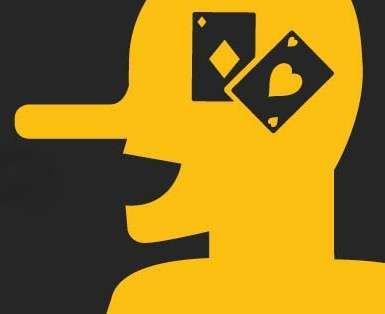
Gambling has the same physiological or hormonal effect on the brain as the use of drugs and alcohol. It begins with the surge of excitement in anticipation of the act, the extreme adrenaline rush that occurs when gambling and the unparalleled high of winning, followed by the compulsion to do it all over again. Gambling addiction, like drug and alcohol addiction, is a seriously devastating problem that has far-reaching consequences. These are a few of the warning signs of how to recognise when gamblers become gambling addicts and need gambling addiction rehab.
Compulsively Chasing Losses
Winning a game produces an exhilarating high for any gambler. The difference between periodic gamblers and gambling addicts, is that for the latter, that high is addictive. Gambling addicts will stop at nothing to achieve that first high again and again. On the other hand, losing produces a mental low that can feel like extreme disappointment and in some cases, depression. When this happens, most gamblers know when to stop. Gambling addicts however, find themselves unable to resist “chasing their losses”. In other words, they place even higher bets or cash in even more money in an attempt to win back the money they have lost. It is not uncommon for gambling addicts to max out multiple credit cards, pawn their valuables or even steal money to chase their losses, believing that “one more bet” or “one more hand” will see their luck restored. This behaviour leads to an inevitable and vicious downward spiral.
Mental and Emotional Instability
We see it in the movies all the time – heroin addicts withdrawing, writhing in pain, lashing out at those around them or being unable to get out of bed. What we don’t often see in the movies, is the way in which gambling addicts withdraw. In truth, withdrawal from gambling and withdrawal from drugs can look surprisingly similar. Gambling addicts who don’t get their fix can become extremely aggressive and unable to be in the presence of others. They can become visibly agitated and hostile towards those around them. Only a trip to the casino can abate what can accurately be described as a craving. For an addict in the grips of a gambling addiction, anything that stands in the way of them placing the next bet, becomes a threat that needs to be removed. Unfortunately, this can lead to strained relationships, emotional unavailability and in some cases, abuse.
Secretiveness
Gambling addiction may be difficult to spot at first, because gambling addicts may feel compelled to keep their behaviour a secret. They may feel deeply ashamed or embarrassed – deep down they may know that they have a problem but may be resistant to asking for help. Warning signs include dishonesty around their whereabouts or the inability to explain how they are spending their money. A common experience is that gambling addicts may be too afraid to explain why their money has run out, so they keep their gambling behaviour a secret, secretly dreaming of the day they can appease their loved ones with the surprise of a big win. Unfortunately, for gambling addicts that win is never big enough and a win always precedes another bet in the hopes of winning even bigger. The compulsion is all-consuming.
If you or a loved one is a gambler and needs to go to gambling addiction rehab, know that help is readily available. Contact us for a free consultation and we’ll support you in your recovery journey.
The encouragement, love and support from the team at Crossroads allowed me to eventually see that I was worth something - that my life could be turned around and that I could accomplish the things that had long been a forgotten dream.
On the last day of my stint at Crossroads I could only express gratitude towards all who works there. A wise councillor once commented on my question when one is ready for rehab by explaining that when one is ready for rehab, rehab is ready for you.
I was lost and my soul was broken until I ended up at Crossroads and was introduced to the Twelve Steps. With the help of their excellent staff and amazing support I have recently been clean for 18 months, I could not have done it without them!
"Just for today I am more than three years in recovery. I have Cross Roads to thank for this wonderful gift. Cross Roads helped me to set a firm foundation in my recovery on which I can continue to build."
Gateway drugs are substances that, when consumed, give way to harder, more dangerous drugs. These milder substances, such as nicotine or alcohol, are believed to open the door to drugs such as meth, heroin and cocaine, which can lead to addiction. The theory does have its opponents but it is still referred to frequently in research, literature and treatment.
Marijuana, alcohol, nicotine and other gateway drugs boost dopamine levels, which increases pleasure. The dopamine boost caused by gateway drugs during adolescence has been linked to decreased reactivity of brain dopamine reward centres later in adulthood . This may lead people to seek harder drugs that cause more dramatic dopamine releases, according to the gateway drug theory.
Gateway drugs also prime or prepare the brain for a response to other substances, a process known as cross-sensitization. This heightens brain activity and could make users more likely to seek stronger substances.
Overall, drug use behaviour is caused by a variety of genetic and environmental factors. A person’s genetic makeup, family history, living environment and community affect their likelihood of trying drugs. Gateway drugs may be one factor that affects a person’s risk of trying more dangerous substances.
What Are Common Gateway Drugs?
Alcohol, marijuana and nicotine are commonly talked about as gateway drugs. In recent years, opioids, prescription drugs and other common substances have joined the category.
Alcohol
Alcohol is a central nervous system depressant that impairs brain function and motor skills. In 2014, nearly 88 percent of adults reported drinking alcohol at some point in their lives, and nearly 25 percent reported binge drinking in the past month.
Alcohol is considered to be a gateway drug, according to the results of multiple studies.
A University of Florida study found that students who used alcohol were 16 times more likely to use illicit substances, such as cocaine and amphetamines, down the road. Many students began with socially acceptable substances such as alcohol or cigarettes before transitioning to marijuana, then harder drugs.
Adam E. Barry, who co-authored the study, told UF News the findings “add further credence to the literature identifying alcohol as the gateway drug to other substance use.”
Illicit substances linked to alcohol use include:
Cocaine
Heroin
Opioids
Marijuana
Multiple studies reveal drinking at a young age affects drug use later in life. A 2016 study published in the Journal of School Health found sixth-graders went on to try nearly two illicit drugs later in life.
A Substance Abuse and Mental Health Services Administration survey revealed underage drinkers were more likely to use illicit drugs within two hours of alcohol use than legal drinkers. A majority of teen drinkers consumed illicit drugs, such as marijuana.
Marijuana
Marijuana is a substance that alters a person’s attention, motivation, memory and ability to learn. More than 22 million people reported using marijuana in the past month in 2014, per NIDA, making it the most used illicit drug in the U.S at that time.
Weed is commonly recognized as a gateway drug by proponents of the theory. However, its association to harder drugs has been widely debated especially since it has been legalised in many states in the USA and decriminalised in South Africa by the country’s Constitutional Court for personal consumption by adults in private abodes.
Many believe marijuana builds a person’s tolerance to stronger drugs, and certain studies back up this idea. A study published in the International Journal of Drug Policy found that nearly 45 percent of regular marijuana smokers used another illicit drug later in life.
One of those drugs is heroin. Studies suggest the majority of heroin users began with alcohol or marijuana. In fact, marijuana users are three times more likely than nonusers to abuse heroin, according to the Centres for Disease Control and Prevention.
Illicit substances linked to marijuana use include:
Cocaine
Heroin
Ecstasy
Marijuana
Adolescents who smoke marijuana are more likely to use harder drugs, according to a report by the U.S. Drug Enforcement Administration.
Teens who reported heavy marijuana use in the past month were:
30 times more likely to use crack cocaine.
20 times more likely to use ecstasy.
15 times more likely to abuse prescription painkillers.
14 times more likely to abuse over-the-counter medications.
Another study, by the Journal of the American Medical Association, found that individuals who used marijuana by age 17 were two to five times more likely to experience substance abuse later in life than those who did not.
The study also found that alternative factors, such as depression, social anxiety and parental conflicts, had a minimal impact on the results. This goes against the idea that environmental factors are the leading cause of substance abuse.
However, a report by the Journal of Health and Social Behaviour found that marijuana’s influence as a gateway drug is contingent on factors such as employment status and other life events. It does suggest a moderate relationship between marijuana use and other illicit drug abuse.
Prescription drugs
Prescription drug abuse has exploded in popularity. About 52 million Americans 12 and older have used prescription drugs non-medically in their lifetime, per NIDA. Opioids are the most abused prescription drugs.
Prescription drugs are linked to heroin use. Heroin is a synthesized opioid that can be cut with other prescription drugs, such as fentanyl, to achieve a more potent high. Many prescription drugs have similar effects to heroin, which has led to many opioid abusers transitioning to the substance. The substances are extremely dangerous. Heroin and fentanyl have been linked to thousands of overdose deaths in recent years.
Illicit substances linked to prescription drug use:
Cocaine
Heroin
Opioid users are 40 times more likely to abuse heroin than nonusers, per the CDC. In comparison, people addicted to alcohol were two times more likely to abuse heroin than nonusers. Marijuana users were three times more likely to abuse heroin.
Nearly half of young heroin users surveyed in three studies reported abusing prescription opioids first, according to NIDA. In fact, many opioid abusers switch to heroin because it is a cheaper option.
Ritalin, a prescription medication administered to children with ADHD, has been linked to cocaine use. Both drugs are stimulants, which increase alertness and productivity. Both have similar properties and increase dopamine levels. Consequentially, former Ritalin users are more susceptible to cocaine abuse, per Utah’s Genetics Science Learning Center.
Nicotine
Researchers have long recognized tobacco products as gateway drugs. In 2011, scientists fed rats nicotine-laced water for seven consecutive days. The results, published in Science Translation Medicine, revealed that the animals had an increased response to cocaine afterwards.
Illicit substances widely linked to nicotine use include:
Cocaine
Heroin
Marijuana
The study also found that nicotine increased levels of FosB, a gene in the brain linked to cocaine addiction. Researchers believe a similar effect can occur in humans, who share the gene, and that children are particularly at risk.
Conclusions
The relationship between early alcohol use and later use of other drugs has the strongest evidence to suggest that it may be a gateway drug; however, the gateway theory suffers from a number of potential methodological flaws. At the current time, it is unable to specify a causal relationship between early use of any drug and the potential to use or abuse other drugs later. Instead, these relationships may be more consistent with the common liability model.
Although The Gateway Theory has its opponents, there is evidence that using some substances early in development does result in a greater probability that an individual will abuse other substances; however, the reason for this is not well understood. This condition may represent some combination of inherent factors (e.g., genetic) and the interaction of environmental factors (e.g., peers, learning, stress, etc.).
If you or a loved one needs assistance with substance abuse – know that help is readily available. The road to recovery is not always an easy one but getting yourself or your loved one the best possible care from the team at Crossroads Recovery Centre, provides you with a map to sober, healthy living. No matter how bad things seem, there is hope and it’s only a phone call away. If you or anyone close to you needs help with an addiction to sex, gambling, substances, alcohol or food, please contact us for a free assessment.
The encouragement, love and support from the team at Crossroads allowed me to eventually see that I was worth something - that my life could be turned around and that I could accomplish the things that had long been a forgotten dream.
On the last day of my stint at Crossroads I could only express gratitude towards all who works there. A wise councillor once commented on my question when one is ready for rehab by explaining that when one is ready for rehab, rehab is ready for you.
I was lost and my soul was broken until I ended up at Crossroads and was introduced to the Twelve Steps. With the help of their excellent staff and amazing support I have recently been clean for 18 months, I could not have done it without them!
"Just for today I am more than three years in recovery. I have Cross Roads to thank for this wonderful gift. Cross Roads helped me to set a firm foundation in my recovery on which I can continue to build."
For many people, gambling is harmless fun, but it can become a problem. This type of compulsive behavior is often called “problem gambling.” If you feel you gamble more than you can afford to lose, you’ve actually already reached the first step: it is not to deny the problem but admit it- you may need gambling rehabilitation.
A gambling addiction is a progressive addiction that can have many negative psychological, physical, and social repercussions. It is classed as an impulse-control disorder. People who live with this addiction may experience depression, distress, and other anxiety-related problems. As with other addictions, the consequences of gambling can lead to feelings of despondency and helplessness. In some cases, this may even lead to suicide attempts.
The rate of problematic gambling has risen globally over the last few years. In the United States in 2012, around 5.77 million people had a gambling disorder for which they sought gambling rehabilitation.
The American Psychiatric Association identifies gambling as a mental health disorder similar to being addicted to alcohol, sex, food or substances. Gambling stimulates the brain’s reward system much like drugs or alcohol do in an addicts brain. You might have a gambling disorder if you have:
A powerful need to gamble with larger amounts of money
Feelings of restlessness or irritability when not gambling
Made repeated and unsuccessful attempts to quit gambling
Found yourself completely preoccupied with gambling
Noticed you gamble to manage stress
Continued to gamble in order to “get even”
Lied to friends, co-workers and loved ones about gambling
Lost relationships or created conflict about gambling
Needed financial support
If your gambling is severe, consider seeking professional help as soon as possible. Professional treatment from a mental health or addiction specialist could be the difference between a life of financial uncertainty versus living in financial stability. An addiction to gambling does not only affect your finances – it affects your relationships and your mental well-being.
Gambling
addicts are addicts for life, the 12 steps work to induce remission,
but a gambling addict may never wager again. Only through a committed
and purposeful working of the steps in daily life, can an addict
achieve remission.
The 12 steps is the most effective way to overcome a compulsion to gamble. Addicts in recovery must work all of the steps and must work the steps on a daily and continuing basis, forever. There is no cure, only a remission. The only thing holding you back is your reluctance.
If you or a loved one needs assistance with an addiction to gambling – know that help is readily available. The road to recovery is not always an easy one but getting yourself or your loved one the best possible care from the team at Crossroads Recovery Centre, provides you with a map to sober, healthy living. No matter how bad things seem, there is hope and it’s only a phone call away. If you or anyone close to you needs help with an addiction to sex, gambling, substances, alcohol or food, please contact us for a free assessment.
The encouragement, love and support from the team at Crossroads allowed me to eventually see that I was worth something - that my life could be turned around and that I could accomplish the things that had long been a forgotten dream.
On the last day of my stint at Crossroads I could only express gratitude towards all who works there. A wise councillor once commented on my question when one is ready for rehab by explaining that when one is ready for rehab, rehab is ready for you.
I was lost and my soul was broken until I ended up at Crossroads and was introduced to the Twelve Steps. With the help of their excellent staff and amazing support I have recently been clean for 18 months, I could not have done it without them!
"Just for today I am more than three years in recovery. I have Cross Roads to thank for this wonderful gift. Cross Roads helped me to set a firm foundation in my recovery on which I can continue to build."
What Does the Treatment Process in a Gambling Rehab Entail?
02 April, 2020Articles, News
Gambling addiction is identified as a process addiction because it does not involve addiction to a substance like drugs or alcohol. Instead, it involves an obsessive and compulsive behaviour that can begin with an innocent attempt at winning and end with a downward spiral into financial, mental and even physical ruin. Rehabilitation for gambling, as in the case of rehabilitation for drugs and alcohol, involves both individual and group counselling, group therapy, life skills workshops and other factors which collectively help addicts to live and operate functionally in a world without the uncontrollable urge to gamble.
One
of the most dangerous misconceptions about gambling addiction, is that it
involves slot machines, roulette wheels and poker games. In fact, gambling
addiction can manifest in a variety of other forms, including an addiction to
playing the lottery, betting on horses or even compulsively entering raffles.
One of the most obvious symptoms of gambling addiction is financial devastation. Gambling addicts may find themselves unable to refrain from their compulsive behaviour, even when they cannot afford to maintain the habit. Addicts who end up at a rehab, often end up entering treatment because they have reached a personal rock-bottom. At the lowest point in a gambling addict’s life, financial ruin may very well be a reality but there are a myriad of other symptoms to look out for. Anxiety, depression and suicidal thoughts are just some of the emotional symptoms of gambling addiction. Chasing the next high in the form of a win, is the addict’s only goal, and in the process of reaching that goal, relationships can be destroyed, their health can be severely compromised and mentally, it becomes increasingly more difficult to maintain a lifestyle that is ultimately not sustainable.
What rehabilitation does, is interrupt the downward spiral of addiction. It is widely understood that while gambling addiction cannot be “cured” as such, it can be arrested and recovery is then possible. Essentially, gambling rehab is the beginning of a lifelong process that involves breaking negative patterns, challenging one’s natural programming and finding new ways to embrace life on its own terms. At Crossroads Recovery Centres, we encourage gambling addicts to become a part of the Gamblers’ Anonymous programme of recovery, which includes going to meetings and working the 12 steps. Although the thought of committing to recovery may seem daunting, addicts are encouraged to take things one day at a time, to connect with fellow addicts who share the same experience and to actively pursue a life of purpose and long-lasting serenity.
If you or a loved one is in search of help for gambling addiction, know that help is readily available. Contact us for a free consultation and we’ll support you in your journey.
No Obligation Addiction Assessment
Book a No Obligation Confidential Assessment at your nearest Treatment Centre Today.
The encouragement, love and support from the team at Crossroads allowed me to eventually see that I was worth something - that my life could be turned around and that I could accomplish the things that had long been a forgotten dream.
On the last day of my stint at Crossroads I could only express gratitude towards all who works there. A wise councillor once commented on my question when one is ready for rehab by explaining that when one is ready for rehab, rehab is ready for you.
I was lost and my soul was broken until I ended up at Crossroads and was introduced to the Twelve Steps. With the help of their excellent staff and amazing support I have recently been clean for 18 months, I could not have done it without them!
"Just for today I am more than three years in recovery. I have Cross Roads to thank for this wonderful gift. Cross Roads helped me to set a firm foundation in my recovery on which I can continue to build."