Marijuana & Alcohol

Reach out now, we can help
Home / Posts tagged "#cannabis"

Marijuana & Alcohol

28 July, 2021Articles, News

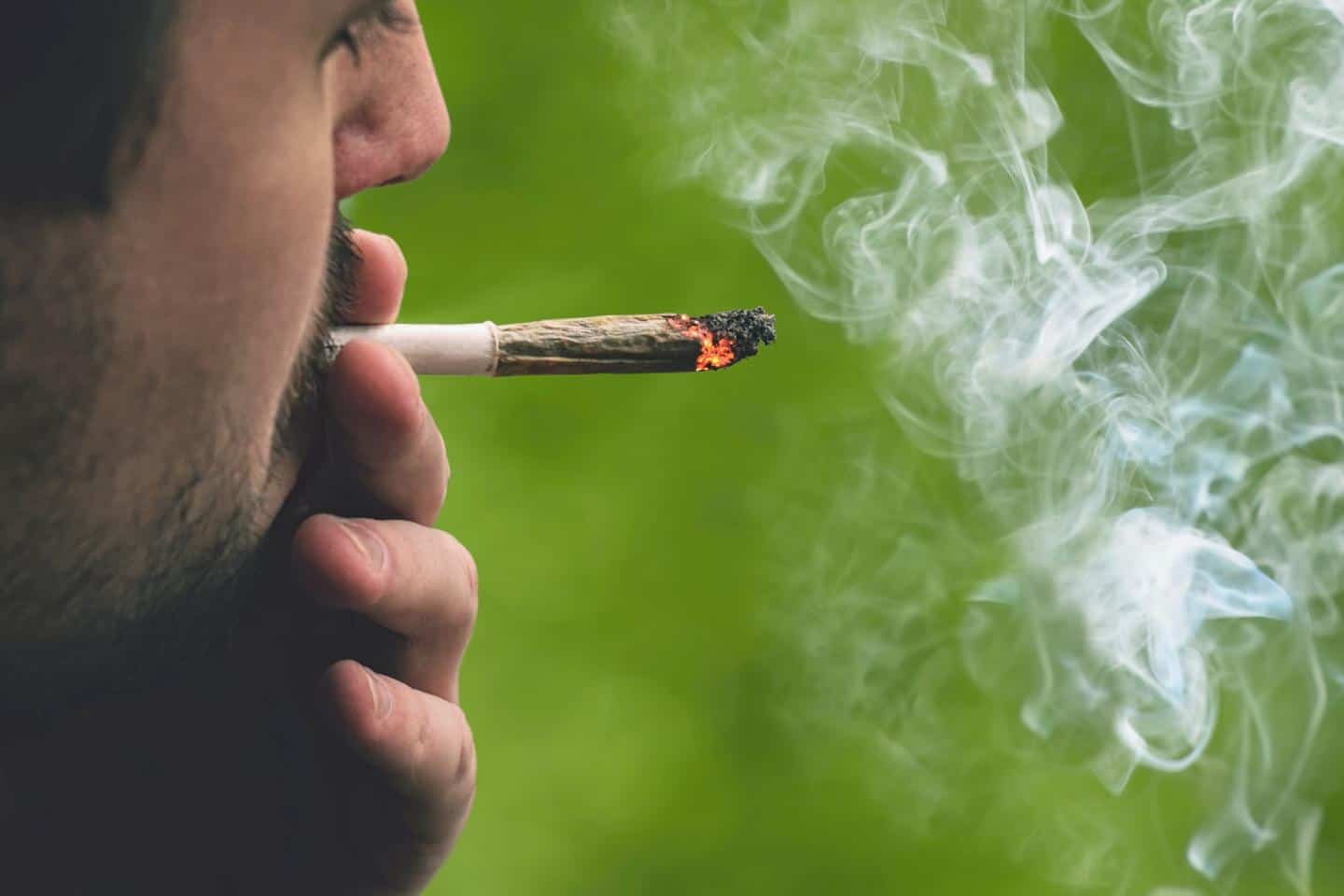
As legalisation spreads, more Americans and South Africans are becoming heavy users of marijuana, despite its links to violence and mental illness. The best data concerning the scope and effects of marijuana & alcohol use comes from the National Survey on Drug Use and Health (NSDUH).

The survey asks about problems users believe they have encountered because of their use. The Substance Abuse and Mental Health Services Administration (SAMHSA) consolidates the answers to estimate how many would meet the clinical criteria for dependence (2.8 million) or abuse (an additional 1.4 million) set down by the Diagnostical and Statistical Manual of Mental Disorders (commonly referred to as the DSM-V). SAMHSA makes these calculations for all substances in an effort to estimate the nationwide need for treatment for each substance.

137 million people self-reported current alcohol use,of which 17.3 million described enough problems to meet the criteria for alcohol abuse or dependence, equivalent to one instance of alcohol abuse or dependence per 7.9 current users, or 13% of current users — significantly lower than the corresponding ratio for marijuana.

In 2012 the Treatment Episode Data Set recorded 681,374 treatment admissions for which the primary substance of abuse was alcohol and 305,560 for which it was marijuana or hashish. That works out to 15 admissions for every 1,000 current marijuana users versus only 5 for every 1,000 alcohol users.

What is clear is that, in individual cases, marijuana can cause psychosis, and psychosis is a high risk factor for violence. What’s more, much of that violence occurs when psychotic people are using drugs or alcohol. The drug they are most likely to use is marijuana. The most obvious way that it fuels violence in psychotic people- is through its ability to cause paranoia. In people with psychiatric disorders, paranoia can fuel violence.

A 2012 paper in the Journal of Interpersonal Violence, examining a federal survey of more than 9,000 adolescents, found that marijuana use was associated with a doubling of domestic violence in the U.S.A.. A 2017 paper in the journal Social Psychiatry and Psychiatric Epidemiology, examining drivers of violence among 6,000 British and Chinese men, found that drug use was linked to a 5-fold increase in violence, and the drug used was nearly always cannabis.

If you or a loved one needs assistance with substance abuse or alcoholism – know that help is readily available. The road to recovery is not always an easy one but getting yourself or your loved one the best possible care from the team at Crossroads Recovery Centre, provides you with a map to sober, healthy living. No matter how bad things seem, there is hope and it is only a phone call away. If you or anyone close to you needs help with an addiction to sex, gambling, substances, alcohol or food, please contact us for a free assessment

www.crossroadsrecovery.co.za

074 89 51043 JHB

012 450 5033 PTA

RESOURCES

https://www.wsj.com/articles/marijuana-is-more-dangerous-than-you-think-11546527075

https://www.nationalaffairs.com/publications/detail/the-real-dangers-of-marijuana

No Obligation Addiction Assessment

Book a No Obligation Confidential Assessment at your nearest Treatment Centre Today.

Johannesburg Admissions: +27 74 895 1043
Pretoria Admissions: +27 82 653 3311
Close

Stories of Recovery

  • The encouragement, love and support from the team at Crossroads allowed me to eventually see that I was worth something - that my life could be turned around and that I could accomplish the things that had long been a forgotten dream.
    Oliver VG
    Read more
  • On the last day of my stint at Crossroads I could only express gratitude towards all who works there. A wise councillor once commented on my question when one is ready for rehab by explaining that when one is ready for rehab, rehab is ready for you.
    Johan B
    Read more
  • I was lost and my soul was broken until I ended up at Crossroads and was introduced to the Twelve Steps. With the help of their excellent staff and amazing support I have recently been clean for 18 months, I could not have done it without them!
    Carla S
    Read more
  • "Just for today I am more than three years in recovery. I have Cross Roads to thank for this wonderful gift. Cross Roads helped me to set a firm foundation in my recovery on which I can continue to build."
    Angelique J
    Read more
Left Arrow Right Arrow

Approved Medical Aids

Bestmed LogoBonitas LogoCAMAF LogoDiscovery Health LogoFedhealth LogoGovernment Employees Medical SchemeLiberty CorporateMedihelp Medical Scheme

Sleep and Substance Use

Reach out now, we can help
Home / Posts tagged "#cannabis"

Sleep and Substance Use

11 September, 2020Articles, News

“Sleep is the single most effective thing we can do to reset our brain and body health each day — Mother Nature’s best effort yet at contra-death.”

― Matthew Walker, author of “Why We Sleep: Unlocking the Power of Sleep and Dreams”.

Why is Sufficient Sleep Necessary to our Functioning :

Sleep is a physiological necessity, so much so, that we spend nearly one third of our lives sleeping. Getting sufficient, quality sleep, is as important to our survival as food and water. Research has shown that chronic lack of sleep, or poor quality sleep, increases the risk of health problems including high blood pressure, cardiovascular disease, insulin resistance, Type 2 diabetes, obesity, depression and other mental health disorders. Poor sleep quality reduces productivity and increases irritability. Without sufficient sleep you are unable to form or maintain the pathways in your brain which are responsible for learning and the creation of new memories, thus making it harder to concentrate and respond to situations effectively. Lethargy, dullness of mind, forgetfulness, feelings of not being able to cope, or even grumpiness are all signs of insufficient, poor quality sleep.

Substance Use and Sleep :

Sleep and substance use is frequently bidirectional in nature- substance use causes problems with sleep and sleeping; but insomnia and insufficient sleep may also be a factor in substance use and addiction. Different substances affect sleep in different ways, for example, alcohol increases slow wave sleep and suppresses rapid eye movement (REM) sleep. During periods of acute withdrawal, sleep latency (the time taken to fall asleep) is increased and the total time spent asleep is decreased. Similarly, opiates, despite being sedatives, interrupt sleep by increasing wakefulness and decreasing total sleep time, slow wave sleep, and REM sleep. Furthermore, opioids and opiates are known to affect the brain mechanism that controls breathing. This can potentially create sleep apnoea events where individuals experience pauses in their breathing, resulting in snoring or gasping, a dry mouth and even a headache in the morning. In terms of cannabis, chronic users develop a tolerance towards its’ sleep-enhancing effects. During withdrawal and periods of abstinence from cannabis, unusual dreams and poor sleep quality is common. This poor quality sleep together with insomnia has been shown to be predictive of a relapse amongst users of cannabis, with over 40 % of participants in one study reporting prolonged periods of insomnia and 10 % of those who relapsed, cited insomnia as a factor in their relapse. Insomnia experienced during withdrawal from substances, frequently fuels craving.

Sleep as a Predictive Factor in Relapse :

Poor quality sleep is a predictive factor in relapse. Studies have shown that sleep disturbances are reported by individuals for some drugs, long after they have quit taking them and after other withdrawal symptoms have subsided. For example, disruptions in REM sleep can sometimes persist for 1 to 3 years amongst alcoholics who have achieved sobriety. The REM stage of sleep is believed to be associated with mood regulation and the consolidation of memories. Disturbed sleep appears to be a significant predictor of relapse in alcoholics even after controlling other factors, such as depression. Further, because sleep is important in memory consolidation, sleep dysfunction may interfere with the learning of new associations and skills needed for successful recovery from alcoholism.

Although this is a relatively new area of study and much of the research that has been done in this field has been done on small groups, there can be no doubt that in order to successfully recover from addiction, we need to be mindful of practising good sleep hygiene.

Practising Good Sleep Hygiene :

Here are some tips that may assist you in practising good sleep hygiene.

  1. Get sufficient exposure to daylight : light, especially sunlight, is one of the key drivers of circadian rhythms (internal processes that regulates the sleep-wake cycle, repeating roughly every 24 hours) that can encourage quality sleep.
  2. Avoid caffeine and nicotine and other chemicals that interfere with sleep.
  3. Exercise early : exercise stimulates the body to secrete the stress hormone cortisol, which causes the brain to become alert, so although exercise can help you fall asleep faster and sleep more soundly, it needs to be done at the correct time. Ideally, exercising should be completed at least three hours before your intended bed time. It is best to exercise earlier in the day.
  4. Unplug from electronics: maintain a 30-60 minute pre-bed time that is free of all devices such as mobile phones, tablets, laptops and televisions. Not only do these devices cause our brains to be stimulated, they also generate blue light that may decrease melatonin (the hormone associated with sleep produced by the pineal gland. It helps you fall asleep by calming the body before bed ).
  5. Follow a consistent routine at bedtime: follow the same steps each night, including things like putting on your pyjamas and brushing your teeth. Your brain picks up on the little cues that are telling it – it is time for sleep.
  6. Budget 30 minutes for winding down prior to sleep: use calming aids such as soft music, light stretching, reading, meditation or prayer. Try not to make falling asleep your goal, instead focus on relaxation. Meditation, mindfulness, breathing exercises and other relaxation techniques may put you in the correct mindset for bed.
  7. Don’t Toss and Turn: try to maintain a healthy mental connection between being in bed and actually being asleep. If after 20 minutes you haven’t managed to fall asleep, get up and stretch, read, or do something else calming in low light before attempting to fall asleep again.
  8. Don’t Dine Late: Eating dinner late, especially if it’s a big, heavy, or spicy meal, can mean you’re still digesting when it’s time for bed. If you need to snack before bedtime, the snack should be a light one.

If you are a recovering addict or alcoholic and you are experiencing persistent problems with sleep, do not ignore them. Keep a sleep journal, speak to your sponsor or counsellor and seek assistance in improving your quality of sleep.

RESOURCES :

Sleep Hygiene :

https://www.sleepfoundation.org/articles/sleep-hygiene

Differential Effects of Addictive Drugs on Sleep and Sleep Stages :

https://www.ncbi.nlm.nih.gov/pmc/articles/PMC6688758/

Sleep Disorders in Substance Abusers- How Common Are They? :

https://www.ncbi.nlm.nih.gov/pmc/articles/PMC2766287/

Connections between Sleep and Substance Use Disorders :

https://www.drugabuse.gov/about-nida/noras-blog/2020/03/connections-between-sleep-substance-use-disorders

Drugs, sleep, and the addicted brain :

https://www.nature.com/articles/s41386-019-0465-x

No Obligation Addiction Assessment

Book a No Obligation Confidential Assessment at your nearest Treatment Centre Today.

Johannesburg Admissions: +27 74 895 1043
Pretoria Admissions: +27 82 653 3311
Close

Stories of Recovery

  • The encouragement, love and support from the team at Crossroads allowed me to eventually see that I was worth something - that my life could be turned around and that I could accomplish the things that had long been a forgotten dream.
    Oliver VG
    Read more
  • On the last day of my stint at Crossroads I could only express gratitude towards all who works there. A wise councillor once commented on my question when one is ready for rehab by explaining that when one is ready for rehab, rehab is ready for you.
    Johan B
    Read more
  • I was lost and my soul was broken until I ended up at Crossroads and was introduced to the Twelve Steps. With the help of their excellent staff and amazing support I have recently been clean for 18 months, I could not have done it without them!
    Carla S
    Read more
  • "Just for today I am more than three years in recovery. I have Cross Roads to thank for this wonderful gift. Cross Roads helped me to set a firm foundation in my recovery on which I can continue to build."
    Angelique J
    Read more
Left Arrow Right Arrow

Approved Medical Aids

Bestmed LogoBonitas LogoCAMAF LogoDiscovery Health LogoFedhealth LogoGovernment Employees Medical SchemeLiberty CorporateMedihelp Medical Scheme

Dangers of Marijuana

Reach out now, we can help
Home / Posts tagged "#cannabis"

Dangers of Marijuana

24 May, 2019Articles, News

Marijuana is the most commonly used illicit drug in the U.S., with an astonishing 22.2 million people in America actively using the drug in July, 2016 alone. While long-term problems and withdrawal symptoms are major concerns to those working to help people with marijuana use disorders, one of the biggest issues is the fact that people with other substance use disorders often start out using marijuana before experimenting with other drugs. Marijuana is just the beginning before people move on to more powerful alternatives including nicotine, alcohol, cocaine, and methamphetamine.

The National Institute on Drug Abuse reports the following statistics about marijuana use.

  • Marijuana accounted for 17% of substance abuse treatment admissions in the United States in 2008.
  • In 2009, nearly 17 million people in the United States, aged 12 and older, had used marijuana in the month prior to the study.
  • Between 2002 and 2008, marijuana usage rates increased every year.
  • In 2009, 42% of high school seniors in the United States had used marijuana at least once.

SHORT-TERM EFFECTS

The short-term effects of marijuana occur because THC rapidly moves from the lungs into the blood. This chemical acts on cannabinoid receptors, leading to a “high” for users. These receptors are found in the parts of the brain that influence concentration, thinking, sensory and time perception, pleasure, memory and coordination. The effects may include :

  • Severe anxiety, including fear that one is being watched or followed (paranoia)
  • Short-term memory problems
  • Very strange behaviour, seeing, hearing or smelling things that aren’t there, not being able to tell imagination from reality (psychosis)
  • Loss of a sense of personal identity
  • Lowered reaction time
  • Increased heart rate (risk of heart attack)
  • Increased risk of stroke
  • Problems with coordination (impairing safe driving or playing sports)

LONG-TERM EFFECTS

The long-term effects of marijuana can lead to an adverse effect on memory and learning. Those who smoke marijuana consistently when young may experience cognitive impairment as adults even when no longer using the drug. The long-term effects of marijuana can be unpredictable and can also lead to a number of other unwanted effects, such as respiratory issues, difficulties learning and issues with problem-solving.  Additionally, marijuana use has been associated with certain mental health issues such as depression and anxiety and may even worsen symptoms in those with schizophrenia. Long terms effects may include :

  • Poor school performance and a higher chance of dropping out
  • Impaired thinking and ability to learn and perform complex tasks
  • Lower life satisfaction
  • Addiction (about 9% of adults and 17% of people who started smoking as teens)
  • Relationship problems, intimate partner violence
  • Antisocial behaviour

Studies have shown that marijuana withdrawal symptoms can appear less than 1 day after last use, reaching peak intensity between days 2 and 4, and can generally last for 7 to 10 days. Even after withdrawal symptoms have disappeared, it is important to seek treatment to address the underlying causes of the addiction.

www.crossroadsrecovery.co.za

+27 012 345 1186 Pretoria

+27 010 597 7784 Johannesburg

No Obligation Addiction Assessment

Book a No Obligation Confidential Assessment at your nearest Treatment Centre Today.

Johannesburg Admissions: +27 74 895 1043
Pretoria Admissions: +27 82 653 3311
Close

Stories of Recovery

  • The encouragement, love and support from the team at Crossroads allowed me to eventually see that I was worth something - that my life could be turned around and that I could accomplish the things that had long been a forgotten dream.
    Oliver VG
    Read more
  • On the last day of my stint at Crossroads I could only express gratitude towards all who works there. A wise councillor once commented on my question when one is ready for rehab by explaining that when one is ready for rehab, rehab is ready for you.
    Johan B
    Read more
  • I was lost and my soul was broken until I ended up at Crossroads and was introduced to the Twelve Steps. With the help of their excellent staff and amazing support I have recently been clean for 18 months, I could not have done it without them!
    Carla S
    Read more
  • "Just for today I am more than three years in recovery. I have Cross Roads to thank for this wonderful gift. Cross Roads helped me to set a firm foundation in my recovery on which I can continue to build."
    Angelique J
    Read more
Left Arrow Right Arrow

Approved Medical Aids

Bestmed LogoBonitas LogoCAMAF LogoDiscovery Health LogoFedhealth LogoGovernment Employees Medical SchemeLiberty CorporateMedihelp Medical Scheme
add_action('wp_footer', function() { ?>