
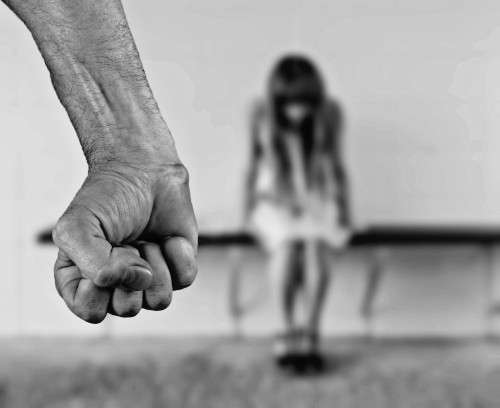
The relationship between aggression and addiction

Reach out now, we can help
Home / Archive by category "Uncategorized" (Page 4)

The relationship between aggression and addiction

31 May, 2019Articles, News

Aggression, in the form of anger, frequently manifests in people with addiction problems. If you do not believe this is true, look to science, which tells us that there is a definite correlation between aggression and addiction. The Psychiatric Times reports, “The tendency to engage in violent behaviour is a potentially important risk factor for suicide in substance abusers.”

Is there a connection between aggression and addiction? How are the two related? Why do they often go hand-in-hand? Can a person get help with both?

The National Institute on Drug Abuse covered a recent study that showed the ties between addiction and aggression. They used mice to show a possible correlation between the disruptions of our brain circuitry that comes from substance use addiction and aggressive behaviour. Seventy percent of the male mice acted aggressively toward smaller mice when exposed to protocols that mirror human addictive behaviour.

Addiction, Aggression, and Healthy Behaviour

People with substance use disorders, whether they are co-occurring with mental illness or not, do not engage in healthy behaviour. The substance they are using inhibits how they deal with emotions, masking them in the pleasurable feelings that come with the drug or alcohol use. But these emotions do not go away and can build up, only to be unleashed when the substance abuser simply cannot bottle them up anymore.
The correlation between substance abuse and violent behaviour has been well documented. For example, the Journal of Substance Abuse Treatment noted that more than 75 percent of people who begin treatment for drug addiction report having performed various acts of violence, including (but not limited to) mugging, physical assault, and using a weapon to attack another person. Examining gender differences, the Journal of Studies on Alcohol and Drugs found that before seeking treatment for substance abuse, the rate of violent acts was as high as 72 percent among men and 50 percent among women. People enrolling in treatment were referred by family members because of violent behaviour carried out while under the influence. Furthermore, researchers found that aggression between two people in a romantic or sexual relationship was “associated with heavy drinking episodes and cocaine use.”

Why is there a link between alcohol abuse and violence?

In 2010, Live Science reported the results of a Scandinavian study that found the risk for violent behaviour increases with intoxication, but only among individuals who are prone to suppressing their feelings of anger while they are sober. Testing people who reported that they were prone to burying their angry feelings, researchers observed a 5 percent increase in violent behaviour that followed a 10 percent increase in drinking to the point of getting drunk. People who didn’t work their anger out were more likely to get drunk, and that state of drunkenness was connected to a rise in the chance of engaging in violent behaviour. People who did not suppress their angry feelings did not show a similar association.

The researchers noted that “only a tiny fraction of all drinking events involve violence,” but the likelihood of being violent while drinking appeared to be based on how well people who drink can deal with their anger while they’re sober. Since drinking alcohol can lower inhibitions, increase risky behaviour, and rob people of their self-control, an individual with unreleased rage can act out when sufficiently intoxicated.
For people struggling with addiction, both aggression and substance use can be tackled in drug rehab centres. These facilities are designed to deal with co-occurring illnesses such as mental health and substance use disorders. These healthcare providers can treat the substance use disorder, helping the patient safely go through withdrawal. Then, a variety of behavioural and therapeutic counselling practices can help the patient deal with their underlying emotions.

If you or a loved one needs assistance with substance abuse – know that help is readily available. The road to recovery is not always an easy one but getting yourself or your loved one the best possible care from the team at Crossroads Recovery Centre, provides you with a map to sober, healthy living. No matter how bad things seem, there is hope and it’s only a phone call away. If you or anyone close to you needs help with an addiction to sex, gambling, substances, alcohol or food, please contact us for a free assessment.

Resources

https://www.ridgefieldrecovery.com/blog/aggression-addiction-co-occurring-problems-washington-state/

https://americanaddictioncenters.org/rehab-guide/addiction-and-violence

www.crossroadsrecovery.co.za

+27 012 345 1186 Pretoria

+27 010 597 7784 Johannesburg

No Obligation Addiction Assessment

Book a No Obligation Confidential Assessment at your nearest Treatment Centre Today.

Johannesburg Admissions: +27 74 895 1043
Pretoria Admissions: +27 82 653 3311
Close

Stories of Recovery

  • The encouragement, love and support from the team at Crossroads allowed me to eventually see that I was worth something - that my life could be turned around and that I could accomplish the things that had long been a forgotten dream.
    Oliver VG
    Read more
  • On the last day of my stint at Crossroads I could only express gratitude towards all who works there. A wise councillor once commented on my question when one is ready for rehab by explaining that when one is ready for rehab, rehab is ready for you.
    Johan B
    Read more
  • I was lost and my soul was broken until I ended up at Crossroads and was introduced to the Twelve Steps. With the help of their excellent staff and amazing support I have recently been clean for 18 months, I could not have done it without them!
    Carla S
    Read more
  • "Just for today I am more than three years in recovery. I have Cross Roads to thank for this wonderful gift. Cross Roads helped me to set a firm foundation in my recovery on which I can continue to build."
    Angelique J
    Read more
Left Arrow Right Arrow

Approved Medical Aids

Bestmed LogoBonitas LogoCAMAF LogoDiscovery Health LogoFedhealth LogoGovernment Employees Medical SchemeLiberty CorporateMedihelp Medical Scheme

Drug Induced Psychosis

Reach out now, we can help
Home / Archive by category "Uncategorized" (Page 4)

Drug Induced Psychosis

10 May, 2019Articles, News

According to the National Alliance on Mental Illness, psychosis refers to an episode in which an individual has a break from reality. This often includes but doesn’t require, delusions, or false beliefs that are firmly held despite clear evidence to the contrary, and hallucinations. About 3 in every 100 people will experience at least one episode of psychosis in their lifetimes.

Drug-induced psychosis, also known as substance-induced psychotic disorder, is simply any psychotic episode that is related to the abuse of an intoxicant. This can be due to any of the following : taking too much of a certain drug, having an adverse reaction after mixing substances, during withdrawal from a drug, or if the individual has underlying mental health issues. Though it’s not actually true that taking a certain kind of drug can suddenly trigger a severe mental illness where none had existed, mental illness is a predictor of substance abuse, and someone prone to psychosis can be triggered by becoming overly intoxicated.

Substance abuse is defined as any use of an illicit intoxicant, any use of a prescription medication outside the direction of a doctor, or excessive use of legal substances such as alcohol. According to the Substance Abuse and Mental Health Services Administration’s (SAMHSA’s) National Survey on Drug Use and Health, 9.3 percent of individuals in the US, age 12 and older, needed treatment for a drug or alcohol problem in 2009. This does not include people who occasionally abuse drugs but are not considered to have a dependence issue. This amounts to 23.5 million people.

Psychosis Due to Drugs

Many recreational and prescription drugs can induce psychotic symptoms that can mimic serious psychiatric disorders.

Drug-induced psychosis has been associated with suicidal thoughts, dangerous and violent behaviour, hospitalization, and arrests.

Because treatment modalities can vary, it is important to ascertain whether psychotic symptoms are substance-induced or caused by other factors.

Drugs That Can Cause Psychosis

Heavy, long-term use of many substances can result in psychotic symptoms. However, certain drugs are more likely to cause psychotic symptoms than others. These include:

Methamphetamine

The use of methamphetamine can lead to paranoia, persecution delusions, and auditory and visual hallucinations.

One common hallucination is the feeling of bugs crawling on one’s skin. These symptoms might subside after stopping use, but they can also persist for weeks or longer, and may increase one’s susceptibility for developing future psychosis. Even after long periods of abstinence, psychotic symptoms may return in periods of stress.

Cannabis

Cannabis use has long been associated with psychotic symptoms. The first evidence came from the Swedish Conscripts Study of 45,570 military inductees who were followed-up for 15 years.

The results showed that those who had used cannabis by the age of 17 were 2.4 times more likely to develop schizophrenia than non-users. The risk of schizophrenia rose to 6 times that of non-users for heavy cannabis users (more than 50 times at initial interview).

Cocaine

Up to 50% of cocaine users will show some symptoms of psychosis after use. The risk increases with needle or freebased use.

Persecution delusions and tactile hallucinations are common. Psychotic symptoms can persist days, months, and sometimes years after use has stopped.

Amphetamine

Amphetamine (Speed) can cause psychotic symptoms similar to methamphetamine and cocaine after repeated use.

Alcohol

Alcohol can cause delusions, mental confusion, disorganized speech, and disorientation. Typically, these symptoms subside upon sobriety.

Alcohol is one of the most commonly abused substances among individuals with schizophrenia, although diagnosis usually precedes use.

Psychedelic drugs (e.g., LSD, PCP, etc)

These drugs can induce temporary effects that mimic psychosis. However, these symptoms typically cease when the drug wears off.

For most people, psychotic symptoms will not be present after first use. It is only after repeated use that psychotic symptoms become more prevalent and long-lasting.

Club/recreational drugs (e.g., ecstasy)

Ecstasy can cause psychotic symptoms, antisocial behaviour, and panic attacks. Persistent psychosis has been reported after a single use in some people.

Prescription meds (e.g., ketamine)

Ketamine users typically exhibit a variety of symptoms that mimic psychosis including delusions, cognitive impairments, disordered thinking, and incoherent speech.

Treatment and Recovery from substance-induced Psychosis

Drug induced psychosis can be treated, but it may be complicated by the challenge of making a correct diagnosis. In an emergency, regardless of the cause or diagnosis, psychosis can be treated with hospitalization and medications. Hospitalization is important to keep the patient safe until the symptoms are resolved. Medications, including antipsychotics and sedatives, can help resolve symptoms more quickly and can help the patient relax.

Once a patient has detoxed from whatever substance triggered psychotic symptoms, and from any other substance being used, a better diagnosis can be made. It is important to diagnose any mental illnesses as well as substance abuse disorders. For treatment to be effective, all issues have to be identified and addressed.

For most people going through substance-induced psychosis, the psychotic symptoms will not persist. They are usually temporary, and ongoing residential treatment will address any underlying mental illnesses as well as substance abuse disorders through behavioural therapy, medical care, social support, self-care, lifestyle changes, relapse prevention therapy, and other strategies.

In rare cases patients may experience long-term or chronic psychosis from substance use. In these instances, treatment may involve more specific strategies, like those used to treat psychotic disorders such as schizophrenia. Treatment may include a combination of behavioural therapies and antipsychotic medications to control and manage symptoms.

Treatment for any type of psychosis, including cases triggered by substance use, can be complicated, because patients struggle to recognize that their delusions and other experiences are not grounded in reality. The best outcomes result from residential care in which a patient can get intensive care and round-the-clock supervision. Treating underlying substance abuse and mental illness will help most patients recover and be able to manage their lives outside of care.

RESOURCES

https://www.altamirarecovery.com/co-occurring-disorders/substance-abuse-induced-psychotic-disorder-addiction-treatment/
https://www.mentalhelp.net/articles/drug-induced-psychotic-symptoms/
https://americanaddictioncenters.org/co-occurring-disorders/drug-psychosis-comorbidity

www.crossroadsrecovery.co.za

+27 012 345 1186 Pretoria

+27 010 597 7784 Johannesburg

No Obligation Addiction Assessment

Book a No Obligation Confidential Assessment at your nearest Treatment Centre Today.

Johannesburg Admissions: +27 74 895 1043
Pretoria Admissions: +27 82 653 3311
Close

Stories of Recovery

  • The encouragement, love and support from the team at Crossroads allowed me to eventually see that I was worth something - that my life could be turned around and that I could accomplish the things that had long been a forgotten dream.
    Oliver VG
    Read more
  • On the last day of my stint at Crossroads I could only express gratitude towards all who works there. A wise councillor once commented on my question when one is ready for rehab by explaining that when one is ready for rehab, rehab is ready for you.
    Johan B
    Read more
  • I was lost and my soul was broken until I ended up at Crossroads and was introduced to the Twelve Steps. With the help of their excellent staff and amazing support I have recently been clean for 18 months, I could not have done it without them!
    Carla S
    Read more
  • "Just for today I am more than three years in recovery. I have Cross Roads to thank for this wonderful gift. Cross Roads helped me to set a firm foundation in my recovery on which I can continue to build."
    Angelique J
    Read more
Left Arrow Right Arrow

Approved Medical Aids

Bestmed LogoBonitas LogoCAMAF LogoDiscovery Health LogoFedhealth LogoGovernment Employees Medical SchemeLiberty CorporateMedihelp Medical Scheme

A gambling addiction is a progressive addiction that can have many negative psychological, physical, and social repercussions. It is classed as an impulse-control disorder.

It is included in the American Psychiatric Association (APA’s) Diagnostic and Statistical Manual, fifth edition (DSM-5).

Problem gambling is harmful to psychological and physical health. People who live with this addiction may experience depression, migraine, distress, intestinal disorders, and other anxiety-related problems.

As with other addictions, the consequences of gambling can lead to feelings of despondency and helplessness. In some cases, this can lead to attempts at suicide.

The rate of problem gambling has risen globally over the last few years. In the United States in 2012, around 5.77 million people had a gambling disorder that needed treatment.

Because of its harmful consequences, gambling addiction has become a significant public health concern in many countries.

Symptoms

Gambling addiction comes in many forms, the primary symptom being a craving for gaming.

Some of the signs and symptoms of problem gambling include:

Gambling is not a financial problem, but an emotional problem that has financial consequences.

It also impacts the way in which the person with the disorder relates to his or her family and friends. For instance, they may miss important events in the family, or they might miss work.

Diagnosis

For a diagnosis of gambling addiction, The DSM-5 states that a person must show or experience at least four of the following during the past 12 months:

  • Need to gamble with increasing amounts of money to feel excitement
  • Restlessness or irritability when trying to stop gambling
  • Repeated unsuccessful attempts to stop, control, or reduce gambling
  • Thinking often about gambling and making plans to gamble
  • Gambling when feeling distressed
  • Returning to gamble again after losing money
  • Lying to conceal gambling activities
  • Experiencing relationship or work problems due to gambling
  • Depending on others for money to spend on gambling

Triggers

Gambling can lead to a range of problems, but the addiction can happen to anyone. No one can predict who will develop an addiction to gambling.

The activity can be described on a spectrum, ranging from abstinence through recreational gambling to problem gambling.

Gambling behaviour becomes a problem when it cannot be controlled and when it interferes with finances, relationships, and the workplace. The individual may not realize they have a problem for some time.

Many people who develop a gambling addiction are considered responsible and dependable people, but some factors can lead to a change in behaviour.

These could include:

  • retirement
  • traumatic circumstances
  • job-related stress
  • emotional upheaval, such as depression or anxiety
  • loneliness
  • the presence of other addictions
  • environmental factors, such as friends or available opportunities

Studies have suggested that people with a tendency to one addiction may be more at risk of developing another. Genetic and neurological factors may play a role.

Some people who are affected by gambling may also have a problem with alcohol or drugs, possibly due to a predisposition for addiction.

The use of some medications has been linked to a higher risk of compulsive gambling.

Secondary addictions can also occur in an effort to reduce the negative feelings created by the gambling addiction. However, some people who gamble never experience any other addiction.

Addiction

Gambling addiction is a debilitating condition, causing depression and distress.

For someone with a gambling addiction, the feeling of gambling is equivalent to taking a drug or having a drink.

Gambling behaviour alters the person’s mood and state of mind.

As the person becomes used to this feeling, they keep repeating the behaviour, attempting to achieve that same effect.

A person who has an addiction to gambling needs to gamble more to get the same “high.” In some instances, they “chase” their losses, thinking that if they continue to engage in gambling, they will win back lost money.

A vicious circle develops, and an increased craving for the activity. At the same time, the ability to resist drops. As the craving grows in intensity and frequency, the ability to control the urge to gamble is weakened.

This can have a psychological, personal, physical, social, or professional impact.


Neither the frequency of gambling nor the amount lost will determine whether gambling is a problem for an individual. .

Some people engage in periodic gambling binges rather than regularly, but the emotional and financial consequences will be the same.

Gambling becomes a problem when the person can no longer stop doing it, and when it causes a negative impact on any area of the individual’s life.

Resource

Medical News Today. What’s to know about gambling addiction by Christian Nordqvist. 2018. https://www.medicalnewstoday.com/articles/15929.php

No Obligation Addiction Assessment

Book a No Obligation Confidential Assessment at your nearest Treatment Centre Today.

Johannesburg Admissions: +27 74 895 1043
Pretoria Admissions: +27 82 653 3311
Close

Stories of Recovery

  • The encouragement, love and support from the team at Crossroads allowed me to eventually see that I was worth something - that my life could be turned around and that I could accomplish the things that had long been a forgotten dream.
    Oliver VG
    Read more
  • On the last day of my stint at Crossroads I could only express gratitude towards all who works there. A wise councillor once commented on my question when one is ready for rehab by explaining that when one is ready for rehab, rehab is ready for you.
    Johan B
    Read more
  • I was lost and my soul was broken until I ended up at Crossroads and was introduced to the Twelve Steps. With the help of their excellent staff and amazing support I have recently been clean for 18 months, I could not have done it without them!
    Carla S
    Read more
  • "Just for today I am more than three years in recovery. I have Cross Roads to thank for this wonderful gift. Cross Roads helped me to set a firm foundation in my recovery on which I can continue to build."
    Angelique J
    Read more
Left Arrow Right Arrow

Approved Medical Aids
Bestmed LogoBonitas LogoCAMAF LogoDiscovery Health LogoFedhealth LogoGovernment Employees Medical SchemeLiberty CorporateMedihelp Medical Scheme

Synthetic Cannabis

Reach out now, we can help

Home / Archive by category "Uncategorized" (Page 4)

Synthetic Cannabis

03 November, 2018Articles, News

In the last few days the South African news cycle has been going crazy with the story of several teenagers who ingested an unknown drug(Synthetic Cannabis) and were subsequently sent to hospital. Alarming videos have been making the rounds on social media of children who are unresponsive or incoherent at the time of medical intervention. So far very little has been given in the way of answers as to what this mysterious drug is or what it’s doing. The best answer we have been given is that it is similar to marijuana and that it has been sent for testing. Given the images that have been shown by news outlets it is suspected that the drug that was consumed is a synthetic cannabinoid.


What are synthetic cannabinoids?

A synthetic cannabinoid is a chemical compound that activates the same neuroreceptor in the brain as organic cannabinoids, such as THC that is found in marijuana. These are not the same chemical, they simply have a similar effect on the same part of the brain. The chemical compound is added to plant matter that makes it easy to smoke. Despite some misconceptions these substances contain no actual cannabis. It can also be consumed as a tea or in some cases the drug is produced as a liquid that can be used in vapes or e-cigarettes.


What to be on the lookout for.

Synthetic cannabinoids are sold under a range of names, the common ones being: Herbal Blend, Blazing, Puff, Spice, Incense, Fake Weed, K2. It comes in small foil packets and will look like a legitimate mass-produced product. The contents resemble dried marijuana, but also Robertson’s Mixed Herbs. Many manufactures will not put any identifying information on the packaging but it will often come with warnings such as: “Harmful if swallowed”, “May cause respiratory irritation”, or even “Not for human consumption”.


Origins and Production

Synthetic cannabinoids were first produced in a lab by chemist John Huffman as part of his research into marijuana. This research was leaked and black-market producers quickly realized that since these substances contained no actual banned chemicals, it could easily be sold and marketed to vulnerable persons as an alternative to illegal drugs such as marijuana and party drugs.

The science behind synthetic cannabinoids made it very appealing to producers who wanted to skirt around the law. When a government classes or criminalizes a drug, they use its chemical structure to identify it. Because the manufactures could continually shift a few molecules around they could keep the drugs legal. But this also poses a huge danger to the persons consuming it. One synthetic cannabinoid, HU-210, was found to be 100 times more potent than THC. A person could buy the same brand, from the same vendor and receive a vastly different product. This dramatically increases the likelihood of overdose.


What are the legal implications?

For the moment, all synthetic cannabinoids are not under any type of legal restriction in South Africa. These products can be bought, sold and consumed without any fear of legal repercussions. The drug has however been criminalized in many parts of the world due to its dangerous and addictive nature. In most cases the passing of this drugs classification and the subsequent criminalizing, has been as a response to an epidemic like surge in use. The UK passed their Psychoactive Substances Act in 2016 as a response to the ‘Spice Crisis’. When considering legality, it is always important to remember that just because something is legal does not mean it is safe.

What are the side effects?

Because of the ever-changing chemical structure of synthetic marijuana, side effects are difficult to pin down. Problems may vary from batch to batch. What we do know for sure is that synthetic cannabinoids are highly addictive, has a high propensity for abuse and does cause withdrawal symptoms after sustained use.

The following is a list of documented side effects:

  • Hallucinations
  • Tremor
  • Vomiting
  • Anxiety
  • High Blood Pressure
  • Confusion and Paranoia
  • Rapid heart rate
  • Heart Attack
  • Renal Failure
  • Seizures
  • Loss of Consciousness
  • Bleeding from the eyes, nose and ears
  • Psychotic and Violent Behaviour
  • Psychosis (lasting anywhere between a few weeks to a few month)
  • In extreme cases death

Treatment and Detoxification

Addiction to any substance, no matter how innocuous it may seem, should always be taken seriously. Because the withdrawal symptoms of synthetic marijuana can be extremely varied there is no one shoe fits all solution in terms of detoxification. It is recommended that this process be supervised by a medical professional in a contained environment, like an inpatient facility. This is the first step and it should be followed by therapeutic intervention, the same way any other drug addiction would be treated.

In conclusion

Synthetic marijuana is not something new, it has just started gaining popularity in South Africa. Many people around the world have already seen how bad it can get. The research has been done. There are mountains of evidence to support that these substances are not something to be trifled with. Even the chemist, John Huffman, who created this class of drug has said “only an idiot would use them.” These products are advertised as a cheap, easily accessible, non-addictive high. If this sounds too good to be true, that’s because it is.

Charlie van de Erve

No Obligation Addiction Assessment

Book a No Obligation Confidential Assessment at your nearest Treatment Centre Today.

Johannesburg Admissions: +27 74 895 1043
Pretoria Admissions: +27 82 653 3311
Close

Stories of Recovery

  • The encouragement, love and support from the team at Crossroads allowed me to eventually see that I was worth something - that my life could be turned around and that I could accomplish the things that had long been a forgotten dream.
    Oliver VG
    Read more
  • On the last day of my stint at Crossroads I could only express gratitude towards all who works there. A wise councillor once commented on my question when one is ready for rehab by explaining that when one is ready for rehab, rehab is ready for you.
    Johan B
    Read more
  • I was lost and my soul was broken until I ended up at Crossroads and was introduced to the Twelve Steps. With the help of their excellent staff and amazing support I have recently been clean for 18 months, I could not have done it without them!
    Carla S
    Read more
  • "Just for today I am more than three years in recovery. I have Cross Roads to thank for this wonderful gift. Cross Roads helped me to set a firm foundation in my recovery on which I can continue to build."
    Angelique J
    Read more
Left Arrow Right Arrow

Approved Medical Aids

Bestmed LogoBonitas LogoCAMAF LogoDiscovery Health LogoFedhealth LogoGovernment Employees Medical SchemeLiberty CorporateMedihelp Medical Scheme
add_action('wp_footer', function() { ?>