
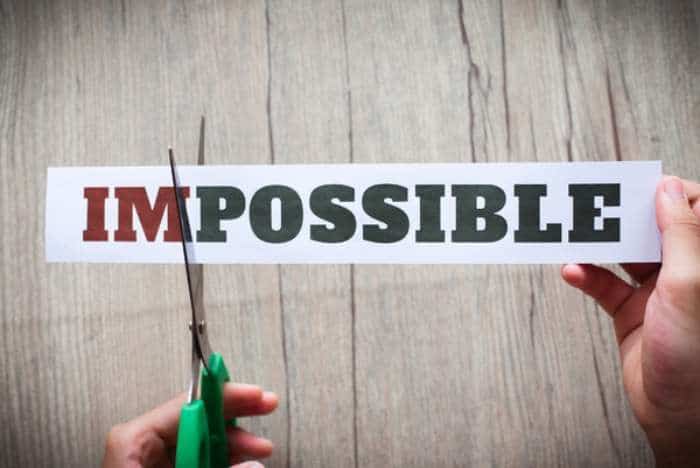
False Narratives in Recovery

Reach out now, we can help
Home / Archive by category "News" (Page 74)

False Narratives in Recovery

08 January, 2021Articles, News

A central goal of self-disclosure within recovery circles is to challenge myths and misconceptions about addiction through the elements of our personal stories. Advocates of recovery must avoid contributing to false narratives by having selective parts of our stories appropriated while ignoring the central message of recovery.

Social stigmas relating to addiction, treatment and recovery, rest on old and new misconceptions regarding the sources and solutions to alcoholism and other problems with addiction. Such false narratives about the nature of addiction; treatment for addiction; recovery from addiction- add fuel to stigmas surrounding addiction and addicts.

Some of the stigmas which addicts encounter include :

Addiction is a product of moral turpitude (badness) that is best prevented and discouraged by public shaming and other forms of punishment. The moral turpitude fallacy continues to feed social shunning, serves as grounds for divorce, and provides a rationale for political disenfranchisement and discrimination in housing, employment, education, and medical benefits. Overemphasizing or exaggerating the bad people we were in the addiction portion of our stories inadvertently feeds this view.

Addicts pass on their degeneracy (bad seed) to their children. This narrative has resulted in the inclusion of addicts in mandatory sterilization laws as well as the loss of parental custody and related legal rights. It also feeds false narratives which tar the children of addicted parents with the same brush.

Addiction is untreatable (Once a junkie, always a junkie) This false narrative feeds personal, public, and professional pessimism about addiction and provides the rationale for prolonged institutionalization or incarceration. Many people who engage in substance use do not develop a problem with addiction. Many people who do engage in recreational use to a problematic extent, (for example young people during their high school or college years), tend to reduce their use once they take on more adult responsibilities. This is not to say that people with a substance use problem do not have a severe, chronic disorder. For them, addiction is a progressive disease that requires intensive treatment, continuing aftercare and family or peer support to manage their recovery. Addiction is a treatable condition, but recovery outcomes often depend upon numerous personal, clinical, and environmental factors.

Recovery is not possible until an addict hits rock bottom. Actually, most people recover from addiction long before hitting bottom (losing everything). Addiction-related loss and pain in the absence of hope is an invitation for continued self-destruction. The “hit rock bottom” premise suggests that recovery rests solely with the individual and therefore there is little family or community can do until this point of individual awakening occurs. This constitutes an invitation for family and community to abandon those suffering from addiction. This premise is untrue and is not applied to other medical conditions, and should be forever discarded within the arena of addiction. We must not let our stories be twisted to support this supposition even if we were one of those who did hit bottom and lost everything.

Recovery from addiction is the exception to the rule. This is yet again, one of many false narratives related to addiction and recovery. Recovery is the norm; individuals who do not achieve sustainable recovery are the exceptions. Those who struggle with recovery often have co-occurring problems that make achieving recovery more difficult. They also frequently have less support from within the community. Even people with the most severe addiction problems can and do recover when community and family resources are intensified. We must repel any effort to cast our recovery as the heroic exception to the rule and convey the consistent message that no one need die of addiction. Recovery is far more than possible; it is the probable long-term outcome for those who experience alcohol and other drug-related problems.

Media channels frequently tell the story of recovering from addiction as a personal story, focusing on the individual, rather than a larger story of the role of the family and community in addiction and recovery. The prevalence and severity of addiction are profoundly influenced by social, economic, and political contexts. The recovery tipping point has as much to do with family and community resources and the capacity to mobilise resources, as it does with what is going on within the addict. We serve best when we present our journey from addiction to recovery within these larger contexts and extoll the role of family and community in the recovery process.

The road to recovery from addiction is not always an easy one but getting yourself or your loved one the best care from the team at Crossroads Recovery Centre provides you with a map to sober, healthy living. No matter how bad things seem, there is hope and it’s just a phone call away. If you or anyone close to you needs help with an addiction to sex, gambling, substances, alcohol or food, please contact us for a free assessment.

www.crossroadsrecovery.co.za

074 89 51043 JHB

012 450 5033 PTA

References

Banning, A., & Karl, P. (1910). A preliminary study of extreme alcoholism in adults. Eugenics Laboratory Memoirs, XIV. London: Dulau and Co. Ltd.

http://www.williamwhitepapers.com/blog/2017/12/family-recovery-101.html

http://www.williamwhitepapers.com/blog/2020/12/pillars-of-stigma-and-recovery-storytelling-bill-white-bill-stauffer-and-danielle-tarino.htm

No Obligation Addiction Assessment

Book a No Obligation Confidential Assessment at your nearest Treatment Centre Today.

Johannesburg Admissions: +27 74 895 1043
Pretoria Admissions: +27 82 653 3311
Close

Stories of Recovery

  • The encouragement, love and support from the team at Crossroads allowed me to eventually see that I was worth something - that my life could be turned around and that I could accomplish the things that had long been a forgotten dream.
    Oliver VG
    Read more
  • On the last day of my stint at Crossroads I could only express gratitude towards all who works there. A wise councillor once commented on my question when one is ready for rehab by explaining that when one is ready for rehab, rehab is ready for you.
    Johan B
    Read more
  • I was lost and my soul was broken until I ended up at Crossroads and was introduced to the Twelve Steps. With the help of their excellent staff and amazing support I have recently been clean for 18 months, I could not have done it without them!
    Carla S
    Read more
  • "Just for today I am more than three years in recovery. I have Cross Roads to thank for this wonderful gift. Cross Roads helped me to set a firm foundation in my recovery on which I can continue to build."
    Angelique J
    Read more
Left Arrow Right Arrow

Approved Medical Aids

Bestmed LogoBonitas LogoCAMAF LogoDiscovery Health LogoFedhealth LogoGovernment Employees Medical SchemeLiberty CorporateMedihelp Medical Scheme

Choosing A Rehabilitation Centre in Pretoria.

Reach out now, we can help
Home / Archive by category "News" (Page 74)

Choosing A Rehabilitation Centre in Pretoria.

06 January, 2021Articles, News

Crossroads Recovery Centre is a rehabilitation centre in Pretoria offering high quality, specialized treatment for those suffering from alcoholism, drug addiction, gambling, sex, food and other addictions. Addiction is defined by the relentless pursuit of a drink, drug or other addiction, no matter the consequences to yourself, your family and friends, work commitments and other people associated with you. An addict in active addiction will do whatever is necessary to fulfil their compulsion to use or get to the substance of their choice or to indulge in their particular form of addictive behaviour (such as gambling or food or sex).

Crossroads Recovery, is a well respected rehabilitation centre in Pretoria and as such, understands that addiction is the loss of control over the use of a chemical substance or physical action. Willpower and self control are no longer available to an addict, once addicted an addict/alcoholic no longer has any ability to exert long term control over their substance of choice. Without a radical change of personality and outlook on life they will undoubtedly fall prey once again to the nature of their addictive disease. Simply expecting an addict/alcoholic to be able to stop on their own is not realistic; an addict needs time in a rehabilitation centre to come to terms with their addiction and the treatment of their disease.

Everyone struggling with addiction pays a very high price. Addicts/alcoholics have lost the ability to control the use of their drug of choice and are now controlled by their addiction. Addicts/alcoholics have one thought running through their minds like a mantra ‘Just one more, and then I will stop’ over and over this goes ‘just one more time, I will use and then I will stop tomorrow and everything will be different, just one more time and then I will pull myself together and I will fix my life, just one more time, just one more, just one more’. Tomorrow, tomorrow, tomorrow but tomorrow never comes. Lost in the illusion, they can never break free on their own.

The sad truth is that on his own, an addict or alcoholic will rarely be able to stop using for any length of time. Yes, they might be able to when things get bad enough, or when some crisis forces them to, like an impending divorce, a final warning at work or running out of money, but lifelong abstinence is always elusive. It is staying sober that is the problem. Once the crisis has passed or has been resolved, they invariably return to their previous habits. These periods of abstinence or controlled using are absolutely devastating to the addict and heartbreaking to family and friends who love and care for them. It is in these seemingly normal periods; going to work, spending time with family and living a seemingly normal and responsible life that alcoholics/addicts create the illusion of control over their drug of choice. In these periods, the addicted person begins to believe they can control their using; families begin to have some hope, addicts begin to have some hope for themselves, the future opens up with possibilities, and then it happens again. The cycle begins once more, before they realize it, they have torn down the hopes their families had for them, they have torn down the hopes and dreams they had for themselves.

This is the heartbreak and gut wrenching anguish of this disease. Periods of hope and possibility are normally followed by periods of using, a return to the nightmare of active addiction, where the compulsion to lie, steal, manipulate and hurt other people in order to satisfy the selfish compulsion to use, is overriding. The periods of seeming recovery and active addiction get closer and closer together until filled with guilt, shame, fear and anger, an addict will continue to use until the bitter end. As a leading rehabilitation centre in Pretoria for addiction – Crossroads Recovery Centre understands this and will help you and your loved ones on the journey towards recovery.

If the disease of addiction is not treated at some point, jail, institutions and death may be a consequence.

What is addiction?

  1. Addiction is defined by NIDA (National Institute on Drug Abuse US.) as a chronic, relapsing brain disease that is characterized by compulsive drug seeking and use, despite harmful consequences. It is considered a brain disease because drugs change the brain—they change its structure and how it works. These brain changes can be long lasting and can lead to the harmful behaviours seen in people who abuse drugs.
  2. Addiction is similar to other diseases like heart disease, in the sense that both disrupt the normal, healthy functioning of the underlying organ, have serious harmful consequences, are preventable, treatable, and if left untreated, can have lasting consequences.
  3. Individuals who suffer from addiction often have one or more accompanying medical issues, including lung and cardiovascular disease, stroke, cancer, and mental disorders. Imaging scans, chest X-rays, and blood tests show the damaging effects of drug abuse throughout the body.
  4. Simply expecting an addict/alcoholic to be able to stop using on his/her own is not realistic; an addict needs time in a rehabilitation centre to come to terms with their addiction and the treatment of their disease.
  5. Addiction, although a complex disease, is seen to be characterized by three main elements, namely physical craving, mental obsession and compulsive behaviour.
  6. Addiction is a progressive disease with periods of abstinence or controlled using followed by periods of loss of control or binges, these binges increase in severity and length as the addict progresses in their addiction.
  7. An addict in active addiction will do whatever is necessary in order to continue their addiction. Manipulation, dishonesty, stealing, theft, violence, prostitution, etc. are common secondary characteristics.
  8. Addiction is the avoidance of normal social responsibilities like work, family, relationships, etc.
  9. Addiction is loss of self-esteem and respect; using a substance in order to feel good about yourself.
  10. Addiction is the use of a substance to escape from emotional pain and feelings.
  11. Addiction is using despite negative consequences, loss of work, loss of family, criminal charges, etc.

Although the initial decision to take drugs is voluntary for most people, the brain changes that occur over time challenges a person’s self control and ability to resist intense impulses urging them to take drugs.

The road to recovery from substance abuse is not always an easy one but getting yourself or your loved one the best care from the team at Crossroads Recovery, a rehabilitation centre in Pretoria, provides you with a map to sober, healthy living. No matter how bad things seem, there is hope and it’s just a phone call away. If you or anyone close to you needs help with an addiction to sex, gambling, substances, alcohol or food, please contact us for a free assessment.

www.crossroadsrecovery.co.za

074 89 51043 JHB

012 450 5033 PTA

No Obligation Addiction Assessment

Book a No Obligation Confidential Assessment at your nearest Treatment Centre Today.

Johannesburg Admissions: +27 74 895 1043
Pretoria Admissions: +27 82 653 3311
Close

Stories of Recovery

  • The encouragement, love and support from the team at Crossroads allowed me to eventually see that I was worth something - that my life could be turned around and that I could accomplish the things that had long been a forgotten dream.
    Oliver VG
    Read more
  • On the last day of my stint at Crossroads I could only express gratitude towards all who works there. A wise councillor once commented on my question when one is ready for rehab by explaining that when one is ready for rehab, rehab is ready for you.
    Johan B
    Read more
  • I was lost and my soul was broken until I ended up at Crossroads and was introduced to the Twelve Steps. With the help of their excellent staff and amazing support I have recently been clean for 18 months, I could not have done it without them!
    Carla S
    Read more
  • "Just for today I am more than three years in recovery. I have Cross Roads to thank for this wonderful gift. Cross Roads helped me to set a firm foundation in my recovery on which I can continue to build."
    Angelique J
    Read more
Left Arrow Right Arrow

Approved Medical Aids

Bestmed LogoBonitas LogoCAMAF LogoDiscovery Health LogoFedhealth LogoGovernment Employees Medical SchemeLiberty CorporateMedihelp Medical Scheme

Choosing a Rehabilitation Centre for Substance Abuse in Johannesburg

Reach out now, we can help
Home / Archive by category "News" (Page 74)

Choosing a Rehabilitation Centre for Substance Abuse in Johannesburg

23 December, 2020Articles, News

After some trauma and time, either you or a loved one has admitted that they need help with a substance abuse problem and now you find yourself in a situation where you need to choose a recovery centre. Choosing a recovery centre for substance abuse can be daunting. There are many different types of treatment centres : faith based programmes, 12-step programmes, SMART recovery programmes, cognitive therapy, dual diagnosis clinics, client-centred approaches, relapse prevention programmes….the choice can be overwhelming and confusing. Below we discuss what Crossroads, Johannesburg does as a recovery centre, treating substance abuse, and why we feel we are one of the best options in Johannesburg for you.

Crossroads, Johannesburg is a primary care recovery centre, offering short-term treatment, (28 days to 3 months) for substance abuse. It offers a client-centred approach, built around the 12-step model. Treatment is residential, meaning we offer an in-patient recovery programme for substance abuse, where food, individual counselling, group therapy, family counselling and detoxification are all included in our treatment fee. Although most of our clients come to us for problems with substance abuse, we also treat other forms of addictions, such as : gambling, food, and sex. We do work with most major medical aids, this means that we can manage the authorisations on your behalf before you check-in which minimises some of the stress for you.

Crossroads Recovery Centre, Johannesburg is situated in Boskruin in the north of Johannesburg. We can accommodate up to 17 patients in comfort, with access to recreational spaces, and ample counselling and group areas to ensure all therapeutic activities are carried out in an environment conducive to the recovery process. As we are a small facility, the clients receive a lot more individual attention and recovery programmes are very much tailored towards the individual.

As part of the individual therapy, we offer both trauma counselling and 12-Step counselling. Trauma can be defined as a deep psychological wound, one that has a profound impact on the emotional well-being and everyday functioning of the sufferer. Trauma counselling provides an outlet where people can discuss their experiences and develop strategies for dealing with the ongoing difficulties they face as a result. Trauma counselling is done to heal the wounds of the past and to aid the clients in achieving a successful recovery from substance abuse.

All of our counsellors at Crossroads Recovery Centre, Johannesburg have experience in working and living the 12-steps of recovery. Some of our counsellors have over 20 years experience in dealing with substance abuse. In the 12-step process, written step-work is used to inform a large part of the individual counselling process. Through processing step-work with a counsellor, our clients gain insight into their own addiction and how to live successfully once they leave treatment. The integration of the 12-steps in the counselling process means that the clients who leave Crossroads Recovery Centre, Johannesburg adjust well to a supportive, non-professional environment, such as the rooms of Alcoholics Anonymous and Narcotics Anonymous.

We also make use of group therapies to treat substance abuse. There include : process groups, gender groups, exposure groups, life story groups, planning and objectives groups and spiritual groups. A bit about these groups is explained below :

1. Process Groups

The process group is the most common type of therapeutic group given at Crossroads Recovery Centre, Johannesburg. An addictions counsellor is present and facilitates the running of the group while each client is asked to participate. Group therapy is an intensive process, clients are asked to be vulnerable and give feedback to one another. This process is incredibly beneficial as it is the best way for clients to bring the issues they may have to light and start to deal with them in a supportive environment.

2. Gender Groups

In gender groups men and women are separated. This gives each client space to address any gender-specific problems they may have. A counsellor facilitates the group and prepares topics for discussion and reflection. We find that separating the genders gives our clients an opportunity to talk about issues and concerns that they may feel uncomfortable addressing in front of members of the opposite sex. It is a format which encourages a deeper discussion about issues that may be gender-specific and gender-sensitive, for example; sexual abuse, love and sex addiction, marriage problems, sexual dysfunction and expectations set by gender roles.

3. Spiritual Groups

Spirituality is a cornerstone of a 12-step recovery programme. In these groups counsellors address a number of issues related to spirituality. These include topics such as meditation, spiritual principles and finding new ways to connect with a higher power of your own understanding. Though topics and thoughts from certain religions may be brought up, Crossroads Recovery Centre, Johannesburg, prides itself on being inclusive of all religions and faiths, or lack thereof. These topics encourage discussion and exploration of new ideas related to each individuals spiritual practice so that they may gain a better understating of the 12 steps as a whole.

4. Planning and Objectives

Many people come into recovery lacking direction and discipline. Weekly planning and objective groups are structured in a way that encourages our clients to set meaningful, attainable, short-term goals in order to work up to achieving long-term objectives. Each week the clients give a report on whether they achieved their goals or not. They are then held accountable by their peers. This continuous process of goal-setting and reporting back, helps our clients learn how to go forward with planning and structure once they leave our facility.

5. Exposure Groups

From time-to-time it becomes apparent that a person may not be doing as well as expected in treatment. This may be for several reasons. It could be holding on to old ideas, refusing to participate, being dishonest or breaking rules in the facility. For whatever reason, the person may be confronted in a group therapy session. In this type of group, several counsellors may participate, and the clients’ peers are given an opportunity to address them directly. We have found that this type of confrontation can be very powerful in addressing problematic behaviours. Subjects of a sensitive or confidential matter are not handled in this type of confrontation.

6. Life Story Groups

As part of the therapeutic process at Crossroads Recovery Centre, Johannesburg, all clients are asked to write a life story. This is presented to the group as well as the counsellors. The life story reveals past behaviour patterns and thinking, this combined with behaviour that has occurred in their time at Crossroads Recovery Centre is processed and feedback is given. The client has an opportunity to hear what their peers and counsellors think. This feedback helps them in their recovery from substance abuse moving forwards, and often reveals what attitudes and behaviours may prove problematic in the long run. From this point our client can move forward with a better understanding of how they can better help themselves.

All of these groups have the primary aim of rebuilding an individual and getting them towards a place where they are able to reintegrate into society and function within their families, social circles and workplaces, harnessing their maximum potential.

The road to recovery from substance abuse is not always an easy one but getting yourself or your loved one the best care from the team at Crossroads Recovery Centre, Johannesburg provides you with a map to sober, healthy living. No matter how bad things seem, there is hope and it’s just a phone call away. If you or anyone close to you needs help with an addiction to sex, gambling, substances, alcohol or food, please contact us for a free assessment.

www.crossroadsrecovery.co.za

074 89 51043 JHB

012 450 5033 PTA

No Obligation Addiction Assessment

Book a No Obligation Confidential Assessment at your nearest Treatment Centre Today.

Johannesburg Admissions: +27 74 895 1043
Pretoria Admissions: +27 82 653 3311
Close

Stories of Recovery

  • The encouragement, love and support from the team at Crossroads allowed me to eventually see that I was worth something - that my life could be turned around and that I could accomplish the things that had long been a forgotten dream.
    Oliver VG
    Read more
  • On the last day of my stint at Crossroads I could only express gratitude towards all who works there. A wise councillor once commented on my question when one is ready for rehab by explaining that when one is ready for rehab, rehab is ready for you.
    Johan B
    Read more
  • I was lost and my soul was broken until I ended up at Crossroads and was introduced to the Twelve Steps. With the help of their excellent staff and amazing support I have recently been clean for 18 months, I could not have done it without them!
    Carla S
    Read more
  • "Just for today I am more than three years in recovery. I have Cross Roads to thank for this wonderful gift. Cross Roads helped me to set a firm foundation in my recovery on which I can continue to build."
    Angelique J
    Read more
Left Arrow Right Arrow

Approved Medical Aids

Bestmed LogoBonitas LogoCAMAF LogoDiscovery Health LogoFedhealth LogoGovernment Employees Medical SchemeLiberty CorporateMedihelp Medical Scheme

What is the best way to recover from drug abuse?

Reach out now, we can help
Home / Archive by category "News" (Page 74)

What is the best way to recover from drug abuse?

21 December, 2020Articles, News

How do you recover from drug abuse ? The question is of course multifaceted and complex because the definition of drug addiction is in itself complex.

Lets take a look at some commonly used definitons;

“Addiction is a disease that affects your brain and behavior. When you’re addicted to drugs, you cannot resist the urge to use them, no matter how much harm the drugs may cause.

Drug addiction isn’t only about heroin, cocaine, or other illegal drugs. You can become addicted to alcohol, nicotine, opioid painkillers, sleep and anti-anxiety medications, and other legal substances”.

In order to gain a better understanding of addiction, we need to look at drug addiction vs. drug abuse. Drug abuse is when you use legal or illegal substances in ways that are not prescribed by a registered medical practitioner or you might use more than the prescribed dose or you may be able to use substances like cocaine or alcohol recreationally or in moderation without it having a major impact on your life. You may abuse drugs to enhance happy feelings, cope with stress or to avoid reality. Drug abuse may lead to risky behaviour and legal or interpersonal problems, or problems with work. Quite often, drug abuse leads to addiction. It may not always be easy to tell when someone you care about crosses the line from drug abuse into full-blown addiction. The difference between abuse and addiction is defined by the number of diagnostic criteria met as per the Diagnostic and Statistical Manual of Mental Disorders (DSM) published by the American Psychiatric Association and used by physicians and court systems alike.

Drug abuse is signified by experiencing one or more the following issues in the past year:

  • Legal problems caused by drug abuse or behaviours under the influence
  • Physical harm to others caused by the individual’s use of drugs and/or his behaviors under the influence (or lack of action caused by use of drugs)
  • General inability to manage responsibilities and to do what is necessary at home, school or work
  • Ongoing use of drugs despite continued problems in these and other areas caused by drug abuse

If you experience three or more of the following issues within a 12-month period, you meet the criteria for a diagnosis of addiction:

  • Onset of withdrawal symptoms (physical and psychological) when without the drug of choice
  • Using larger and larger amounts of the drug of choice in order to achieve the same results experienced initially
  • Less interest in old hobbies and interests or career/school pursuits
  • Withdrawing from friends and family
  • Patterns of behaviour that revolve solely around getting or staying high
  • Multiple attempts to cut down or stop drug use without success
  • Continued use of drugs and alcohol despite continued and growing problems related to their use

Addiction is when you can’t stop using a substance because there have been physiological changes in the body where “want” becomes “need”. You are unable to control your using, even when you know you are causing irrepable harm to your body, mind and spirit. Even when it causes financial, emotional, and other problems for you or your loved ones – you are unable to stop using. That need to aquire and use drugs takes over your entire life and you are obsessed and addicted.

Your brain is wired to make you want to search for experiences that result in positive feelings, so you’re motivated to repeat them over and over again. The drugs that may be addictive, work on your brains reward system. They overpower your brain with a chemical called dopamine and this results in a feeling of heightened and extreme pleasure. So you keep repeating the process in order to keep feeling good. Over time, your brain gets used to the higher levels of dopamine and you end up needing to take more of the drug to get the same “good” feeling. Other pleasurable aspects of your life fade in comparison, they produce less pleasure so you focus continually on the drug abuse – and eventually abuse becomes addiction.

When you use drugs over a long period of time it can cause changes in other brain systems, which lead to changes in judgement, decision-making processes, memory, our ability to learn and our personal morality.

Chronic drug abuse problems are often perceived to be less devastating than drug addiction but the fact is that ongoing use of illicit substances can be just as damaging to a persons life. For that reason, treatment services are available to those who struggle with either issue. When it comes down to it, however, no matter what the specifics, consequences of chronic drug use and addiction can be damaging to every aspect of an individuals life, and if moderation of that use is impossible alone, then treatment can help.

Getting better from drug addiction can take time. There’s no cure, but treatment can help you stop using drugs and stay free from them. Your treatment may include counselling, medicine, or both. Talk to your doctor to figure out the best plan for you.

Addiction requires individualised treatments that address the symptoms and underlying causes of the disease, as well as the consequences that substance use has on different areas of a person’s life. This includes their ability to socialise, their physical and mental health, and consequences at work, home, school, or with the law.

There are many types of therapy available to effectively treat addiction. Treatment commonly consists of a combination of group and individual therapy sessions either as an inpatient at a registered rehab centre, or if this is not required, then as an out-patient in the care of an experienced therapist or addiction counsellor. There are many different therapeutic methodologies which can be used to treat addiction. We will discuss some of these.

Cognitive Behavioral Therapy or CBT can be applied in the treatment of many different types of problematic substance use. People treated with CBT techniques learn to recognise and change their maladaptive behaviours and it can help with coping skills, with identifying risky situations and what to do about them, and it is also useful in preventing relapses.

12-Step facilitation therapy is another methodology used to treat addiction. It aims to promote continued abstinence by engaging people in recovery with 12-Step peer support groups. Meetings are hosted by several different 12-Step fellowships varieties, including Narcotics Anonymous, Alcoholics Anonymous and Cocaine Anonymous amongst others.

Dialectal Behavioral Therapy or DBT can be adapted for many substance abuse cases, but mainly focuses on treating severe personality disorders, such as borderline personality disorder. DBT works to reduce cravings, help patientsto avoid situations or opportunities to relapse, assists in giving up actions that reinforce substance use, and aims to help people learn healthy coping skills.

Rational Emotive Behaviour Therapy or REBT helps patients understand their own thoughts and then helps to develop better habits and thinking in more positive and rational ways and gain healthier emotions. The base for REBT is the idea rational thinking comes from within; external situations are not what give one the feeling of “happy” or “unhappy”.

At Crossroads Recovery Centre we apply a number of these methods with people in an inpatient treatment process which has delivered remarkably positive results. The road to recovery from drug abuse is not always an easy one. No matter how bad things seem, there is hope and it’s just a phone call away. If you or anyone close to you needs help with an addiction to sex, gambling, substances, alcohol or food, please contact us for a free assessment.

www.crossroadsrecovery.co.za

074 89 51043 JHB

012 450 5033 PTA

No Obligation Addiction Assessment

Book a No Obligation Confidential Assessment at your nearest Treatment Centre Today.

Johannesburg Admissions: +27 74 895 1043
Pretoria Admissions: +27 82 653 3311
Close

Stories of Recovery

  • The encouragement, love and support from the team at Crossroads allowed me to eventually see that I was worth something - that my life could be turned around and that I could accomplish the things that had long been a forgotten dream.
    Oliver VG
    Read more
  • On the last day of my stint at Crossroads I could only express gratitude towards all who works there. A wise councillor once commented on my question when one is ready for rehab by explaining that when one is ready for rehab, rehab is ready for you.
    Johan B
    Read more
  • I was lost and my soul was broken until I ended up at Crossroads and was introduced to the Twelve Steps. With the help of their excellent staff and amazing support I have recently been clean for 18 months, I could not have done it without them!
    Carla S
    Read more
  • "Just for today I am more than three years in recovery. I have Cross Roads to thank for this wonderful gift. Cross Roads helped me to set a firm foundation in my recovery on which I can continue to build."
    Angelique J
    Read more
Left Arrow Right Arrow

Approved Medical Aids
Bestmed LogoBonitas LogoCAMAF LogoDiscovery Health LogoFedhealth LogoGovernment Employees Medical SchemeLiberty CorporateMedihelp Medical Scheme
add_action('wp_footer', function() { ?>