Crazy Crystal Meth

Reach out now, we can help
Home / Archive by category "News" (Page 57)

Crazy Crystal Meth

20 October, 2021Articles, News

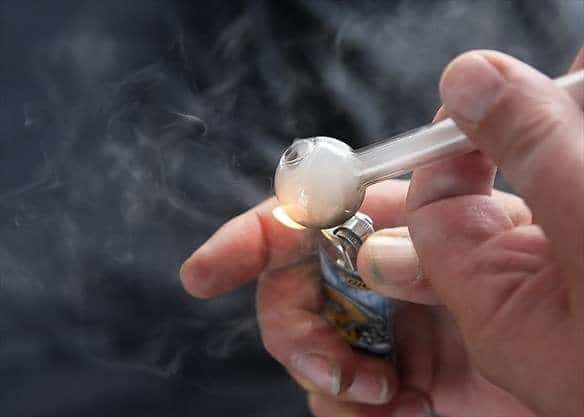
Over the recent past, most rehabs in South Africa, have seen an exponential growth in the number of clients who present with paranoid thoughts and behaviour as a result of the abuse of crystal meth as it is commonly called.

Where did it originate?

Methamphetamine is a man-made stimulant that’s been around for a long time. During World War II, soldiers were given meth to keep them awake. People have also taken the drug to lose weight and ease depression. It has also been used for the treatment of obesity and in the treatment of ADHD.

Crystal meth is made with the ingredient pseudoephedrine, which is found in many flu and cold remedies. It was mainly produced in labs in Mexico however many small labs appear to have sprung up in South Africa. The ingredients are usually variable-depending on that is cheap and accessible at the time, therefore the user never quite knows what they are getting. There is some indication from users that they believe it to be laced with what they refer to as “spiritual stuff” (muthi).

What Are the Effects?

  • Meth can make a user’s body temperature rise so high they could pass out or even die.
  • A user may feel anxious and confused, be unable to sleep, have mood swings, and become violent.
  • A user may age quickly. His/her skin may dull, and he/she can develop hard-to-heal sores and pimples. They may have a dry mouth and stained, broken, or rotting teeth (meth mouth).
  • They may also become paranoid and hear and see things that aren’t there.

It is this last point that seems to be the most prevalent and most concerning for rehab and addiction practitioners. An almost entrenched paranoia that seems to last for many months even though the toxic effects of the methamphetamine should, theoretically, no longer be present in the body.

The research

The link between crystal meth use and symptoms of paranoia is well known and well documented in the relevant literature. The real concern for practitioners in the rehab field is being able to differentiate what is crystal meth induced paranoia and what is possibly a psychiatric disorder such as schizophrenia or even bipolar mood disorder.

Several research groups, especially in Japan, have successfully studied methamphetamine-induced paranoia. These studies are well respected as the Japanese methamphetamine subculture is characterised by single use drug users- poly-drug (multiple substances) use has been uncommon. The results showed that a small percentage of meth users suffer from entrenched paranoia after at least 6 months of sobriety but there were a number of cases where even though people had been clean for many years there were still signs of paranoid delusions unrelated to a more severe psychiatric disorder.

Meth-induced psychosis sometimes presents in a similar way to paranoid schizophrenia and research has shown that at least 60 percent of people who use meth experience psychotic symptoms and syndromes.

What are the major signs of meth induced psychosis?

  • delusions
  • hallucinations,
  • paranoia, and sometimes
  • violent behaviour.

It is extremely difficult to differentiate hallucinations from what is real.

Prior to developing psychosis, a person who uses meth, may encounter a pre-psychotic state that is marked by delusional moods and ideas of reference or believing that everyday events have great personal significance. Delusions and hallucinations accompany full-blown psychosis.

People who are dependent on meth, who use high doses, who experienced childhood trauma, and/or who start taking the drug at a young age have an increased risk of having psychotic symptoms. The sleep deprivation that often accompanies meth use may aggravate these symptoms as well.

Other warning signs of crystal meth psychosis

  • Meth delusions: A person has strange, unrealistic, and/or false beliefs.
  • Meth hallucinations: Auditory, visual, or tactile hallucinations make a person hear, see, or feel things that don’t exist.
  • Meth paranoia: A person becomes extremely suspicious of those around them and may even believe that people are out to get them.

How long can these signs remain?

It is usually dependent on the physical characteristics of the individual as well as their level of mental health, and severity of drug use.

Meth psychosis may last several hours, and on average, a person typically recovers from it in one week. However, psychosis sometimes lasts for months and even years after a person stops using. Spontaneous flashback psychotic episodes may also be triggered by stress or by using the drug again.

The Treatment processes

Individuals experiencing meth psychosis may need some form of stabilisation in specialised health care facilities before coming to rehab.

At Crossroads we apply a combination of the 12-step programme as well as the traditional Crossroads treatment methodology, which involves group therapy, family support and individual counselling .

Individuals with a dual diagnosis and co-occurring mental health disorders, such as schizophrenia, may be better served in an inpatient or residential treatment program until they are stable.

If you or a loved one needs assistance with an addiction to crystal meth– know that help is readily available. We have an experienced team which includes medical staff to assist with safe medical detox where necessary. The road to recovery is not always an easy one but getting yourself or your loved one the best possible care from the team at Crossroads Recovery Centre, provides you with a map to sober, healthy living. No matter how bad things seem, there is hope and it’s only a phone call away. If you or anyone close to you needs help with an addiction to sex, gambling, substances, alcohol or food, please contact us for a free assessment.

www.crossroadsrecovery.co.za

074 89 51043 JHB

012 450 5033 PTA

No Obligation Addiction Assessment

Book a No Obligation Confidential Assessment at your nearest Treatment Centre Today.

Johannesburg Admissions: +27 74 895 1043
Pretoria Admissions: +27 82 653 3311
Close

Stories of Recovery

  • The encouragement, love and support from the team at Crossroads allowed me to eventually see that I was worth something - that my life could be turned around and that I could accomplish the things that had long been a forgotten dream.
    Oliver VG
    Read more
  • On the last day of my stint at Crossroads I could only express gratitude towards all who works there. A wise councillor once commented on my question when one is ready for rehab by explaining that when one is ready for rehab, rehab is ready for you.
    Johan B
    Read more
  • I was lost and my soul was broken until I ended up at Crossroads and was introduced to the Twelve Steps. With the help of their excellent staff and amazing support I have recently been clean for 18 months, I could not have done it without them!
    Carla S
    Read more
  • "Just for today I am more than three years in recovery. I have Cross Roads to thank for this wonderful gift. Cross Roads helped me to set a firm foundation in my recovery on which I can continue to build."
    Angelique J
    Read more
Left Arrow Right Arrow

Approved Medical Aids

Bestmed LogoBonitas LogoCAMAF LogoDiscovery Health LogoFedhealth LogoGovernment Employees Medical SchemeLiberty CorporateMedihelp Medical Scheme

Gambling Addiction Rehab – when it is time to go.

Reach out now, we can help
Home / Archive by category "News" (Page 57)

Gambling Addiction Rehab – when it is time to go.

15 October, 2021Articles, News

Gambling has the same physiological or hormonal effect on the brain as the use of drugs and alcohol. It begins with the surge of excitement in anticipation of the act, the extreme adrenaline rush that occurs when gambling and the unparalleled high of winning, followed by the compulsion to do it all over again. Gambling addiction, like drug and alcohol addiction, is a seriously devastating problem that has far-reaching consequences. These are a few of the warning signs of how to recognise when gamblers become gambling addicts and need gambling addiction rehab.

Compulsively Chasing Losses

Winning a game produces an exhilarating high for any gambler. The difference between periodic gamblers and gambling addicts, is that for the latter, that high is addictive. Gambling addicts will stop at nothing to achieve that first high again and again. On the other hand, losing produces a mental low that can feel like extreme disappointment and in some cases, depression. When this happens, most gamblers know when to stop. Gambling addicts however, find themselves unable to resist “chasing their losses”. In other words, they place even higher bets or cash in even more money in an attempt to win back the money they have lost. It is not uncommon for gambling addicts to max out multiple credit cards, pawn their valuables or even steal money to chase their losses, believing that “one more bet” or “one more hand” will see their luck restored. This behaviour leads to an inevitable and vicious downward spiral.

Mental and Emotional Instability

We see it in the movies all the time – heroin addicts withdrawing, writhing in pain, lashing out at those around them or being unable to get out of bed. What we don’t often see in the movies, is the way in which gambling addicts withdraw. In truth, withdrawal from gambling and withdrawal from drugs can look surprisingly similar. Gambling addicts who don’t get their fix can become extremely aggressive and unable to be in the presence of others. They can become visibly agitated and hostile towards those around them. Only a trip to the casino can abate what can accurately be described as a craving. For an addict in the grips of a gambling addiction, anything that stands in the way of them placing the next bet, becomes a threat that needs to be removed. Unfortunately, this can lead to strained relationships, emotional unavailability and in some cases, abuse.

Secretiveness

Gambling addiction may be difficult to spot at first, because gambling addicts may feel compelled to keep their behaviour a secret. They may feel deeply ashamed or embarrassed – deep down they may know that they have a problem but may be resistant to asking for help. Warning signs include dishonesty around their whereabouts or the inability to explain how they are spending their money. A common experience is that gambling addicts may be too afraid to explain why their money has run out, so they keep their gambling behaviour a secret, secretly dreaming of the day they can appease their loved ones with the surprise of a big win. Unfortunately, for gambling addicts that win is never big enough and a win always precedes another bet in the hopes of winning even bigger. The compulsion is all-consuming.

If you or a loved one is a gambler and needs to go to gambling addiction rehab, know that help is readily available. Contact us for a free consultation and we’ll support you in your recovery journey.

www.crossroadsrecovery.co.za

074 89 51043 JHB

012 450 5033 PTA

RESOURCES

Helpguide.org

No Obligation Addiction Assessment

Book a No Obligation Confidential Assessment at your nearest Treatment Centre Today.

Johannesburg Admissions: +27 74 895 1043
Pretoria Admissions: +27 82 653 3311
Close

Stories of Recovery

  • The encouragement, love and support from the team at Crossroads allowed me to eventually see that I was worth something - that my life could be turned around and that I could accomplish the things that had long been a forgotten dream.
    Oliver VG
    Read more
  • On the last day of my stint at Crossroads I could only express gratitude towards all who works there. A wise councillor once commented on my question when one is ready for rehab by explaining that when one is ready for rehab, rehab is ready for you.
    Johan B
    Read more
  • I was lost and my soul was broken until I ended up at Crossroads and was introduced to the Twelve Steps. With the help of their excellent staff and amazing support I have recently been clean for 18 months, I could not have done it without them!
    Carla S
    Read more
  • "Just for today I am more than three years in recovery. I have Cross Roads to thank for this wonderful gift. Cross Roads helped me to set a firm foundation in my recovery on which I can continue to build."
    Angelique J
    Read more
Left Arrow Right Arrow

Approved Medical Aids

Bestmed LogoBonitas LogoCAMAF LogoDiscovery Health LogoFedhealth LogoGovernment Employees Medical SchemeLiberty CorporateMedihelp Medical Scheme

What is Porn Addiction?

Reach out now, we can help
Home / Archive by category "News" (Page 57)

What is Porn Addiction?

13 October, 2021Articles, News

Porn addiction is a behavioural disorder classified by people who experience difficulties with all-consuming sexual thoughts and behaviours. Their compulsions to watch pornography consequently can create emotional fall-outs such as stress, mood swings, depression or anxiety. People struggling with porn addiction problems tend to find they live a “double life” which may result in them pulling away from significant life events and relationships with others.

These behaviours may often be linked to intimacy-related issues or the inability to communicate or connect on interpersonal levels with a romantic partner. Porn addiction and the underlying fantasies they offer allow people an “escape” from having to confront their reality. This may include the unpredictability of real-life interpersonal relationships, their fears of rejection, judgement or past trauma which may all often trigger emotionally painful events. In some cases, the side-effect is that porn is simply being used to avoid certain situations.

Historically the medical field has described addiction as a chronic relapsing disorder, or continued use of illicit substances (including alcohol) despite the negative consequences that result from prolonged use. It is when someone abuses substances such as alcohol or drugs to the point where their body becomes overly dependent on the substance to function. As the physiology of an addict’s or alcoholic’s body is different from the average person, their use of substances/alcohol creates a physical craving for more each time either is consumed. But how does this explain porn addiction problems and a non-substance related addictions such as a porn addiction?

While many people understand the addiction to alcohol or drugs, not everyone realises how viewing pornographic material obsessively, being exposed to sexual imagery or videos can be extremely addictive; especially since it’s not a physical intake of a chemical or substance that they put into their body. However, pornography and porn addiction problems can still activate regions in the brain that are associated with motivation and reward – such as the dopamine system.

Porn addiction is when the brain becomes dependent on pornography to experience dopamine surges; therefore, it may cause a lack of control over their sexual behaviour. The obsessive and compulsive behaviour of viewing pornography is the brain’s demanding need for stimulus, and each time the act of viewing occurs so does a release of dopamine. However, over time, the body stops providing as much dopamine as it did when first engaged with porn – which means people begin to watch it more often or view more extreme pornographic scenes to receive the same pleasure. The constant craving for these dopamine surges can reduce the brain’s response to ordinary stimuli. Which in turn increases the desperate need to view more pornographic content more frequently and dependency is established.

What are the side-effects of porn addiction?

The side effects of porn addiction problems may vary from person to person, and some scenarios will require formal treatment.

As porn addiction is a deeply private, fantasy-driven realm for individuals, and is a classic “escape” from an otherwise mundane or routine driven existence, a person’s real life tends to become less of a priority and riskier behaviours begin to emerge. Obsessive thoughts and compulsive sexual behaviours begin to displace relationships and negatively harm a person’s real life in terms of work and other relationships.

When a person starts to avoid their lives in favour of their routine escapes- their fantasy begins to overtake the importance of their reality and consequentially impacts their well-being. This cycle can often result in feeling disconnected from others. It also tends to manifest in other addictions or co-occurring destructive behaviours such as eating disorders, depression, chronic stress, depression and anxiety.  As porn addiction problems are considered an intimacy disorder, it becomes hard for a person to mask the underlying need to escape to porn or “wanting to leave” everyday scenarios to satisfy a porn craving. Often people with porn addiction problems may at times get angry or hostile, or even just irritable when they are asked to stop engaging with pornography or forced to endure events/situations where porn viewing may not be available.

Another marked side-effect of porn addiction includes the secrecy involved in their attempts to “hide” their use of porn from loved ones. This, in turn, creates the sense of living a “double” or “secret” life that is directly attributed to obsessive porn use and has a negative impact on critical things like attending work, events or prioritising personal well-being and relationships. With any case of classifiable addiction, there is a distinct sense of personal powerlessness or an inability to stop the behaviour for any length of time.

If you or a loved one are battling a porn addiction and need assistance – know that help is readily available. The road to recovery is not always an easy one, but getting yourself or your loved one the best care from the team at Crossroads Recovery Centre, provides you with a map to sober, healthy living. No matter how bad things seem, there is hope and it’s just a phone call away. If you or anyone close to you needs help with an addiction to sex, gambling, substances, alcohol or food, please contact us for a free assessment.

www.crossroadsrecovery.co.za

074 89 51043 JHB

012 450 5033 PTA

No Obligation Addiction Assessment

Book a No Obligation Confidential Assessment at your nearest Treatment Centre Today.

Johannesburg Admissions: +27 74 895 1043
Pretoria Admissions: +27 82 653 3311
Close

Stories of Recovery

  • The encouragement, love and support from the team at Crossroads allowed me to eventually see that I was worth something - that my life could be turned around and that I could accomplish the things that had long been a forgotten dream.
    Oliver VG
    Read more
  • On the last day of my stint at Crossroads I could only express gratitude towards all who works there. A wise councillor once commented on my question when one is ready for rehab by explaining that when one is ready for rehab, rehab is ready for you.
    Johan B
    Read more
  • I was lost and my soul was broken until I ended up at Crossroads and was introduced to the Twelve Steps. With the help of their excellent staff and amazing support I have recently been clean for 18 months, I could not have done it without them!
    Carla S
    Read more
  • "Just for today I am more than three years in recovery. I have Cross Roads to thank for this wonderful gift. Cross Roads helped me to set a firm foundation in my recovery on which I can continue to build."
    Angelique J
    Read more
Left Arrow Right Arrow

Approved Medical Aids
Bestmed LogoBonitas LogoCAMAF LogoDiscovery Health LogoFedhealth LogoGovernment Employees Medical SchemeLiberty CorporateMedihelp Medical Scheme

Rehabilitation from substance abuse

Reach out now, we can help
Home / Archive by category "News" (Page 57)

Rehabilitation from substance abuse

08 October, 2021Articles, News

After some trauma and time, either you or a loved one has admitted that they need rehabilitation from substance abuse and now you find yourself in a situation where you need to choose a recovery centre. Choosing a recovery centre for substance abuse can be daunting. There are many different types of treatment centres : faith based programmes, 12-step programmes, SMART recovery programmes, cognitive therapy, dual diagnosis clinics, client-centred approaches, relapse prevention programmes….the choice can be overwhelming and confusing. Below we discuss how Crossroads manages rehabilitation from substance abuse.

Crossroads, Johannesburg is a primary care, rehabilitation from substance abuse centre, offering short-term treatment, (28 days to 84 months). It offers a client-centred approach, built around the 12-step model. Treatment is residential, meaning we offer an in-patient recovery programme, where food, individual counselling, group therapy, family counselling and detoxification are all included in our treatment fee. Although most of our clients come to us for problems with substance abuse, we also treat other forms of addictions, such as : gambling, food, and sex. We do work with most major medical aids, this means that we can manage the authorisations on your behalf before you check-in which minimises some of the stress for you.

As part of the individual therapy, we offer both trauma counselling and 12-Step counselling. Trauma can be defined as a deep psychological wound, one that has a profound impact on the emotional well-being and everyday functioning of the sufferer. Trauma counselling provides an outlet where people can discuss their experiences and develop strategies for dealing with the ongoing difficulties they face as a result. Trauma counselling is done to heal the wounds of the past and to aid the clients in achieving a successful recovery from substance abuse.

All of our counsellors at Crossroads Recovery Centre, Johannesburg have experience in working and living the 12-steps of recovery. Some of our counsellors have over 20 years experience in dealing with substance abuse. In the 12-step process, written step-work is used to inform a large part of the individual counselling process. Through processing step-work with a counsellor, our clients gain insight into their own addiction and how to live successfully once they leave treatment. The integration of the 12-steps in the counselling process means that the clients who leave Crossroads Recovery Centre, adjust well to a supportive, non-professional environment, such as the rooms of Alcoholics Anonymous and Narcotics Anonymous.

Although we are primarily as 12-step based centre for the rehabilitation from substance abuse, we also make use of other therapy models such as : process groups, gender groups, exposure groups, life story groups, planning and objectives groups and spiritual groups. A bit about these groups is explained below :

1. Process Groups

The process group is the most common type of therapeutic group given at Crossroads Recovery Centre. An addictions counsellor is present and facilitates the running of the group while each client is asked to participate. Group therapy is an intensive process, clients are asked to be vulnerable and give feedback to one another. This process is incredibly beneficial as it is the best way for clients to bring the issues they may have to light and start to deal with them in a supportive environment.

2. Gender Groups

In gender groups men and women are separated. This gives each client space to address any gender-specific problems they may have. A counsellor facilitates the group and prepares topics for discussion and reflection. We find that separating the genders gives our clients an opportunity to talk about issues and concerns that they may feel uncomfortable addressing in front of members of the opposite sex. It is a format which encourages a deeper discussion about issues that may be gender-specific and gender-sensitive, for example; sexual abuse, love and sex addiction, marriage problems, sexual dysfunction and expectations set by gender roles.

3. Spiritual Groups

Spirituality is a cornerstone of a 12-step recovery programme. In these groups counsellors address a number of issues related to spirituality. These include topics such as meditation, spiritual principles and finding new ways to connect with a higher power of your own understanding. Though topics and thoughts from certain religions may be brought up, Crossroads Recovery Centre, prides itself on being inclusive of all religions and faiths, or lack thereof. These topics encourage discussion and exploration of new ideas related to each individuals spiritual practice so that they may gain a better understating of the 12 steps as a whole.

4. Planning and Objectives

Many people come into recovery lacking direction and discipline. Weekly planning and objective groups are structured in a way that encourages our clients to set meaningful, attainable, short-term goals in order to work up to achieving long-term objectives. Each week the clients give a report on whether they achieved their goals or not. They are then held accountable by their peers. This continuous process of goal-setting and reporting back, helps our clients learn how to go forward with planning and structure once they leave our facility.

5. Exposure Groups

From time-to-time it becomes apparent that a person may not be doing as well as expected in treatment. This may be for several reasons. It could be holding on to old ideas, refusing to participate, being dishonest or breaking rules in the facility. For whatever reason, the person may be confronted in a group therapy session. In this type of group, several counsellors may participate, and the clients’ peers are given an opportunity to address them directly. We have found that this type of confrontation can be very powerful in addressing problematic behaviours. Subjects of a sensitive or confidential matter are not handled in this type of confrontation.

6. Life Story Groups

As part of the therapeutic process at Crossroads Recovery Centre, all clients are asked to write a life story. This is presented to the group as well as the counsellors. The life story reveals past behaviour patterns and thinking, this combined with behaviour that has occurred in their time at Crossroads Recovery Centre, is processed and feedback is given. The client has an opportunity to hear what their peers and counsellors think. This feedback helps them in their recovery from substance abuse moving forwards, and often reveals what attitudes and behaviours may prove problematic in the long run. From this point our client can move forward with a better understanding of how they can better help themselves.

All of these groups have the primary aim of rebuilding an individual and getting them towards a place where they are able to reintegrate into society and function within their families, social circles and workplaces, harnessing their maximum potential.

The road to rehabilitation from substance abuse is not always an easy one but getting yourself or your loved one the best care from the team at Crossroads Recovery Centre, provides you with a map to sober, healthy living. No matter how bad things seem, there is hope and it’s just a phone call away. If you or anyone close to you needs help with an addiction to sex, gambling, substances, alcohol or food, please contact us for a free assessment.

www.crossroadsrecovery.co.za

074 89 51043 JHB

012 450 5033 PTA

No Obligation Addiction Assessment

Book a No Obligation Confidential Assessment at your nearest Treatment Centre Today.

Johannesburg Admissions: +27 74 895 1043
Pretoria Admissions: +27 82 653 3311
Close

Stories of Recovery

  • The encouragement, love and support from the team at Crossroads allowed me to eventually see that I was worth something - that my life could be turned around and that I could accomplish the things that had long been a forgotten dream.
    Oliver VG
    Read more
  • On the last day of my stint at Crossroads I could only express gratitude towards all who works there. A wise councillor once commented on my question when one is ready for rehab by explaining that when one is ready for rehab, rehab is ready for you.
    Johan B
    Read more
  • I was lost and my soul was broken until I ended up at Crossroads and was introduced to the Twelve Steps. With the help of their excellent staff and amazing support I have recently been clean for 18 months, I could not have done it without them!
    Carla S
    Read more
  • "Just for today I am more than three years in recovery. I have Cross Roads to thank for this wonderful gift. Cross Roads helped me to set a firm foundation in my recovery on which I can continue to build."
    Angelique J
    Read more
Left Arrow Right Arrow

Approved Medical Aids

Bestmed LogoBonitas LogoCAMAF LogoDiscovery Health LogoFedhealth LogoGovernment Employees Medical SchemeLiberty CorporateMedihelp Medical Scheme
add_action('wp_footer', function() { ?>