
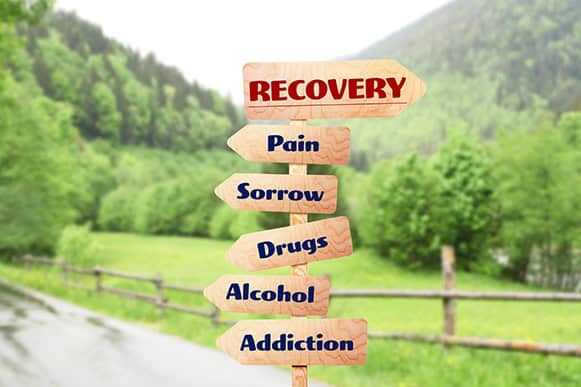
What To Look for in Effective Addiction Treatment Programmes

Reach out now, we can help
Home / News / Archive by category "Articles" (Page 97)

What To Look for in Effective Addiction Treatment Programmes

30 September, 2019Articles, News

Addiction is a baffling disease. There are a myriad of theories on whether it is hereditary or developed over time. The nature vs nurture goes on and on. But for those suffering with the consequences of addiction, the most important question is not why someone is an addict but how they can get help for their problem once they have reached rock bottom.

Just as there are many theories on addiction and how it develops, there are as many addiction treatment programmes, each focusing on ways to help addicts reintegrate themselves back into a life free from drugs and alcohol. One way of approaching recovery, is to take a three-pronged approach that includes detox, therapy and finding a new way to live.

Detox: Physical Recovery

While not all addicts who enter addiction treatment programmes need to go through the physical detox process, those who do need to, should be monitored and assisted by professionals. Every drug takes a different time to leave the body and produces different withdrawal effects. At Crossroads Recovery Centres, we provide a safe space for addicts to detox, administering medication where necessary and according to the addict’s specific history with drugs and alcohol as well as their physical condition.

Therapy: Emotional Recovery

Recovering from drug and alcohol addiction goes far beyond the physical aspect of the disease. When the drugs and alcohol have left the addict’s body, the real work begins. One of the hallmarks of effective addiction treatment programmes is a comprehensive and well-facilitated therapeutic process. Therapy should include one-on-one sessions with a counsellor as well as group therapy sessions where recovering addicts and alcoholics can hear from and relate to their peers. Therapy involves helping the addict to come to terms with his/her past, become present to their current reality and to begin looking positively towards their future.

Finding a New Way to Live: Spiritual Recovery

It is of the utmost important that addiction treatment programmes make provision for life after rehab. For the addict/alcoholic, facing life without drugs or alcohol can be daunting. That’s where the fellowships of Narcotics Anonymous and Alcoholics Anonymous come in. These 12-step fellowships host a number of meetings throughout South Africa, where addicts and alcoholics can share, grow and start becoming functioning, well-rounded members of society. Access to these fellowships is 100% free – no membership fees or dues are ever imposed on any member. To familiarise addicts and alcoholics with the 12-step programme, Crossroads Recovery Centres ensures that during their programme, they are taken to meetings and introduced to members of NA and AA who are ready and willing to assist.

These aspects of the rehabilitation process are not exhaustive. Our programme is comprehensive and based on years of experience and collective expertise in the field. If you or a loved one is in need of treatment from drug or alcohol addiction,contact us for a free consultation and we’ll support you in your recovery journey.  

No Obligation Addiction Assessment

Book a No Obligation Confidential Assessment at your nearest Treatment Centre Today.

Johannesburg Admissions: +27 74 895 1043
Pretoria Admissions: +27 82 653 3311
Close

Stories of Recovery

  • The encouragement, love and support from the team at Crossroads allowed me to eventually see that I was worth something - that my life could be turned around and that I could accomplish the things that had long been a forgotten dream.
    Oliver VG
    Read more
  • On the last day of my stint at Crossroads I could only express gratitude towards all who works there. A wise councillor once commented on my question when one is ready for rehab by explaining that when one is ready for rehab, rehab is ready for you.
    Johan B
    Read more
  • I was lost and my soul was broken until I ended up at Crossroads and was introduced to the Twelve Steps. With the help of their excellent staff and amazing support I have recently been clean for 18 months, I could not have done it without them!
    Carla S
    Read more
  • "Just for today I am more than three years in recovery. I have Cross Roads to thank for this wonderful gift. Cross Roads helped me to set a firm foundation in my recovery on which I can continue to build."
    Angelique J
    Read more
Left Arrow Right Arrow

Approved Medical Aids

Bestmed LogoBonitas LogoCAMAF LogoDiscovery Health LogoFedhealth LogoGovernment Employees Medical SchemeLiberty CorporateMedihelp Medical Scheme

What To Expect from Rehabilitation Centres

Reach out now, we can help
Home / News / Archive by category "Articles" (Page 97)

What To Expect from Rehabilitation Centres

20 September, 2019Articles, News

Rehab – it’s a word that has the potential to conjure up a range of mixed emotions. Rehabilitation centres are portrayed by the media in different ways, some of them more accurate than others. Unfortunately, due to the stigma around addiction, rehab can have a negative perception attached to it, which may deter people from initiating the process. What we aim to do in this article is to outline some of the aspects of an in-patient program as a way of preparing potential clients and their families for the recovery process.

Detox and Withdrawal

Depending on the type and quantity of the substances that a client has used, he/she will undergo a detox process as the body withdraws from the effects of drugs and alcohol. The extent of this detox varies from person-to-person. What you can expect is that a medical physician will be appointed to the client, to monitor their wellbeing and ensure that the physical side effects of withdrawal can be overcome.

Information Sessions

Clients who book into rehabilitation centres will be empowered through knowledge around aspects such as the disease theory of addiction, what life in recovery entails as well as the mental, emotional, physical and spiritual impact of addiction. During these sessions, clients will have a chance to engage with their peers and ask questions in an open and inclusive forum. Awareness alone however, is not the key to long-term recovery, which is why rehabilitation centres take a multi-pronged approach to treatment.

One-on-One Counselling

Every client is assigned a counsellor at the onset of his/her treatment process. That counsellor will guide the client through the recovery process, talk about deep-seated issues and help to unpack their addictive thought patterns. Clients respond differently to counselling. While some may be resistant to the process, it quickly becomes clear that opening up and sharing with someone who can be trusted, is integral to getting and feeling better.

Group Therapy

Group therapy involves a counsellor or group facilitator hosting a session in which clients are invited to participate. Active participation is encouraged. In this environment, clients can challenge each other, share their experience and learn from the experience of others. Group therapy has proven extremely effective in the treatment of addiction.

Introduction to the 12-Step Fellowships

After treatment, one of the most effective ways of staying clean and sober and finding a new way of life, is found in the rooms of Narcotics Anonymous and Alcoholics Anonymous. South Africa has strong fellowships within NA and AA, with members who are readily available to provide free support for people who have entered recovery. Rehabilitation centres will ensure that clients attend these meetings during treatment in order to start building valuable connections with others in recovery.

These aspects of the rehabilitation process are not exhaustive. Our programme is comprehensive and based on years of experience and collective expertise in the field. If you or a loved one is in need of treatment from drug or alcohol addiction, contact us for a free consultation and we’ll support you in your recovery journey.  

No Obligation Addiction Assessment

Book a No Obligation Confidential Assessment at your nearest Treatment Centre Today.

Johannesburg Admissions: +27 74 895 1043
Pretoria Admissions: +27 82 653 3311
Close

Stories of Recovery

  • The encouragement, love and support from the team at Crossroads allowed me to eventually see that I was worth something - that my life could be turned around and that I could accomplish the things that had long been a forgotten dream.
    Oliver VG
    Read more
  • On the last day of my stint at Crossroads I could only express gratitude towards all who works there. A wise councillor once commented on my question when one is ready for rehab by explaining that when one is ready for rehab, rehab is ready for you.
    Johan B
    Read more
  • I was lost and my soul was broken until I ended up at Crossroads and was introduced to the Twelve Steps. With the help of their excellent staff and amazing support I have recently been clean for 18 months, I could not have done it without them!
    Carla S
    Read more
  • "Just for today I am more than three years in recovery. I have Cross Roads to thank for this wonderful gift. Cross Roads helped me to set a firm foundation in my recovery on which I can continue to build."
    Angelique J
    Read more
Left Arrow Right Arrow

Approved Medical Aids

Bestmed LogoBonitas LogoCAMAF LogoDiscovery Health LogoFedhealth LogoGovernment Employees Medical SchemeLiberty CorporateMedihelp Medical Scheme

The Relationship between Addiction, Alcoholism and Violence

Reach out now, we can help
Home / News / Archive by category "Articles" (Page 97)

The Relationship between Addiction, Alcoholism and Violence

17 September, 2019Articles, News

Drug and alcohol abuse have complicated effects on the human mind and behaviour. As far back as 1995, the Journal of Health Care for the Poor and Underserved described the relationship between substance abuse and violence as a case of “cause and consequence.” The connection between drug addiction, alcoholism, and violence crosses many thresholds (individual psychology, public health, and domestic violence, to name a few), and is vitally important in understanding the scope of how controlled substances can affect people.

DRUGS AND VIOLENT BEHAVIOUR

The correlation between substance abuse and violent behaviour has been well documented. For example, the Journal of Substance Abuse Treatment noted that more than 75 percent of people who begin treatment for drug addiction report having performed various acts of violence, including (but not limited to) mugging, physical assault, and using a weapon to attack another person. Examining gender differences, the Journal of Studies on Alcohol and Drugs found that before seeking treatment for substance abuse, the rate of violent acts was as high as 72 percent among men and 50 percent among women. People enrolling in treatment were often referred by family members because of violent behaviour carried out while under the influence.

Why is there a link between alcohol abuse and violence? In 2010, Live Science reported the results of a Scandinavian study that found the risk for violent behaviour increases with intoxication, but more so among individuals who are prone to suppressing their feelings of anger while they are sober. Testing people who reported that they were prone to burying their angry feelings, researchers observed a 5 percent increase in violent behaviour that followed a 10 percent increase in drinking to the point of getting drunk. People who didn’t work out their anger were more likely to get drunk, and that state of drunkenness was connected to a rise in the chance of engaging in violent behaviour. People who did not suppress their angry feelings did not show a similar association.

The researchers noted that “only a tiny fraction of all drinking events involve violence,” but the likelihood of being violent while drinking appeared to be based on how well people who drink can deal with their anger while they’re sober. Since drinking alcohol can lower inhibitions, compel risky behaviour, and rob people of their self-control, an individual with unreleased rage can act out when sufficiently intoxicated.

DOMESTIC VIOLENCE AND SUBSTANCE ABUSE

Of all the forms of violence influenced by drug addiction or alcoholism, violence toward a domestic partner may be one of the most concerning. The U.S. Department of Justice explains that the abuse in a domestic arrangement is not limited to physical acts, such as hitting, punching, slapping or pulling hair; “domestic violence,” as a legal term, can also cover sexual abuse (rape, marital rape, treating a partner in a sexually abusive and demeaning way, and molestation), emotional abuse (intentional and malicious attacks on a partner’s self-worth), and psychological abuse (controlling the partner, blackmail, threatening harm to children, violence toward pets, and intimidation).

As explained by the American Society of Addiction Medicine, violence against an intimate partner can also include stalking, social isolation (not letting an intimate partner leave the house, for example), and depriving them of resources and necessities. Various studies have identified substance abuse as a factor in 40-60 percent of incidents of domestic violence, either in precipitating the abuse or exacerbating it.

Some research has indicated that spousal abuse could be a predictor of the development of a drug addiction. Further to that point, women in abusive relationships often report that their abusive partner coerced them into engaging in alcohol and drug consumption. The American Journal of Public Health noted that substance abuse tends to be more prevalent among women who suffer domestic abuse, even among pregnant women who were victims of violence. Such is the extent of the influence of drugs and alcohol on violence that on days when substance abuse occurred- physical violence was 11 times more likely to take place.

Other research showed that more than 20 percent of male perpetrators of intimate partner abuse had used alcohol or drugs immediately before the most recent incidents of violence. Many studies have found a strong connection between excessive alcohol use and the action of partner violence, although there is not yet a consensus on the cause and effect – whether the drinking causes such men to be violent or whether the alcohol abuse is used as a way to excuse (or justify) the violence.

Unsurprisingly, the victims of intimate partner violence tend to be mostly female – 85 percent, according to the United States Bureau of Justice Statistics. Compared to men, women have a 5-8 times higher chance of being abused by an intimate partner. Most of the partner abuse takes place in the home.

Violence fuelled by drug and alcohol consumption also takes place in same-sex relationships. Lesbian, gay, bisexual, and transgendered individuals have higher rates of substance abuse than the general population, often due to the prejudice that many of them face in their lives, and this may manifest in violence carried out within their domestic unions.

If you or a loved one needs help with addiction or alcholism, contact us for a consultation.

RESOURCES

https://americanaddictioncenters.org/rehab-guide/addiction-and-violence

No Obligation Addiction Assessment

Book a No Obligation Confidential Assessment at your nearest Treatment Centre Today.

Johannesburg Admissions: +27 74 895 1043
Pretoria Admissions: +27 82 653 3311
Close

Stories of Recovery

  • The encouragement, love and support from the team at Crossroads allowed me to eventually see that I was worth something - that my life could be turned around and that I could accomplish the things that had long been a forgotten dream.
    Oliver VG
    Read more
  • On the last day of my stint at Crossroads I could only express gratitude towards all who works there. A wise councillor once commented on my question when one is ready for rehab by explaining that when one is ready for rehab, rehab is ready for you.
    Johan B
    Read more
  • I was lost and my soul was broken until I ended up at Crossroads and was introduced to the Twelve Steps. With the help of their excellent staff and amazing support I have recently been clean for 18 months, I could not have done it without them!
    Carla S
    Read more
  • "Just for today I am more than three years in recovery. I have Cross Roads to thank for this wonderful gift. Cross Roads helped me to set a firm foundation in my recovery on which I can continue to build."
    Angelique J
    Read more
Left Arrow Right Arrow

Approved Medical Aids

Bestmed LogoBonitas LogoCAMAF LogoDiscovery Health LogoFedhealth LogoGovernment Employees Medical SchemeLiberty CorporateMedihelp Medical Scheme

Porn Addiction Side Effects

Reach out now, we can help
Home / News / Archive by category "Articles" (Page 97)

Porn Addiction Side Effects

16 September, 2019Articles, News

For the purposes of providing recovering addicts with the most effective treatment possible, some field practitioners find it useful to make the distinction between substance addictions and process addictions.

Unlike their counterparts, process addictions do not revolve around a substance like drugs or alcohol. Instead, they concern specific compulsive behaviours, like gambling, gaming or watching porn. Although these two types of addiction have specific nuances that distinguish them from each other, what many practitioners are seeing is that the same recovery principles can be used to treat both types of addiction and that both types produce similar negative side effects. In this article, we explore a few porn addiction side effects and how they manifest.

Shame and Secrecy

One of the most talked about side effects of being addicted to porn is overwhelming and crippling levels of shame. Being unable to stop watching porn, even in inappropriate settings such as the workplace, inevitably leads porn addicts to leading double lives. Porn addiction becomes a secret – one that an addict will do anything to protect, due to the reputational impact it would have if someone were to realise the extent of their problem. Many porn addicts attest to having to weave elaborate lies to cover up their compulsive behaviour – the more the illness progresses, the more shameful it may feel to cover up what they are doing.

Cravings

It may come as a surprise to those who are not familiar with the disease model of addiction, that porn addiction side effects are similar, in many ways to the side effects of substance dependency. For example, the “high” that drug addicts experience when taking a hit, is the same kind of “high” that porn addicts experience when watching porn, and just as in the case of drug abuse, it takes larger amounts of porn to satisfy the craving that the first “hit” produces. Many porn addicts can relate to spending an increasing amount of time watching porn, chasing an ever-elusive feeling of euphoria and catharsis.

Progressive Consequences

Addiction, in any form, is a progressive disease. In the case of porn addiction side effects, a common consequence of this compulsion is that over time, it has a negative impact on the addict’s relationships. Porn addicts may forgo spending time with their partners or spouses, in favour of watching porn. Not being able to spend too much time away from the internet or their porn supply, can lead to anti-social behaviour and feelings of depression. The long-term effects of this isolation should not be underestimated.

If you or a loved one is suffering the consequences of porn addiction, know that help is readily available. Contact us for a free consultation and we’ll support you in your journey towards recovery.

No Obligation Addiction Assessment

Book a No Obligation Confidential Assessment at your nearest Treatment Centre Today.

Johannesburg Admissions: +27 74 895 1043
Pretoria Admissions: +27 82 653 3311
Close

Stories of Recovery

  • The encouragement, love and support from the team at Crossroads allowed me to eventually see that I was worth something - that my life could be turned around and that I could accomplish the things that had long been a forgotten dream.
    Oliver VG
    Read more
  • On the last day of my stint at Crossroads I could only express gratitude towards all who works there. A wise councillor once commented on my question when one is ready for rehab by explaining that when one is ready for rehab, rehab is ready for you.
    Johan B
    Read more
  • I was lost and my soul was broken until I ended up at Crossroads and was introduced to the Twelve Steps. With the help of their excellent staff and amazing support I have recently been clean for 18 months, I could not have done it without them!
    Carla S
    Read more
  • "Just for today I am more than three years in recovery. I have Cross Roads to thank for this wonderful gift. Cross Roads helped me to set a firm foundation in my recovery on which I can continue to build."
    Angelique J
    Read more
Left Arrow Right Arrow

Approved Medical Aids

Bestmed LogoBonitas LogoCAMAF LogoDiscovery Health LogoFedhealth LogoGovernment Employees Medical SchemeLiberty CorporateMedihelp Medical Scheme
add_action('wp_footer', function() { ?>