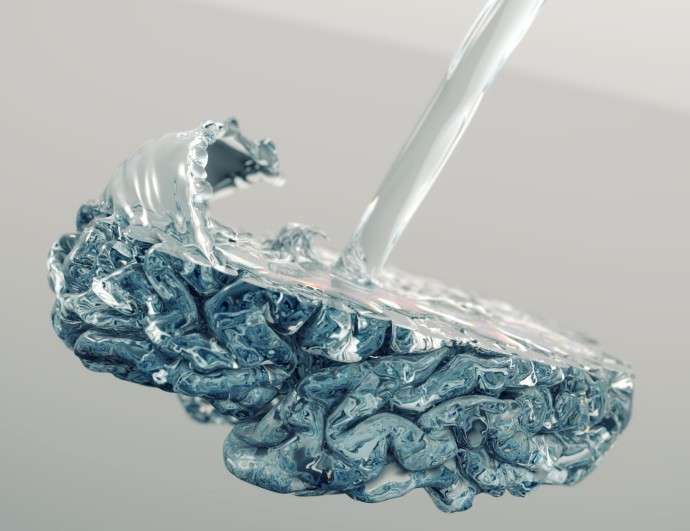
Wernicke-Korsakoff syndrome (WKS), is commonly referred to as “wet brain”. It is a form of brain damage that results from repeated and severe exposure to alcohol. It is progressive and occurs in two phases.
The first phase which is known as Wernicke’s encephalopathy, is a temporary condition that is expressed as confusion, loss of muscular coordination, abnormal eye movements and changes in vision. The second phase is characterised by psychosis, an inability to think and rationalise as well as a lack of personal care and an inability to successfully complete daily tasks. This phase is persistent and chronic.
Common symptoms of wet brain include:
Loss of muscular coordination
Low body tempreture
Abnormal eye movements
Fatigue
Weakness and muscle atrophy
Vision changes, such as double vision
Memory loss and mental confusion
Changes in behaviour
Dishonesty, lies, struggling to keep stories straight, as well as fabricating events
Hallucinations
Wet brain is a serious condition of the brain, and can lead to a loss of consciousness, coma, or even death. Though the people afflicted with this illness can die as a direct result of it, malnutrition, accidents and an inability to recognise danger or care for themselves as a result of the condition may also prove fatal. It is important not to confuse the symptoms of alcohol withdrawal with wet brain. Symptoms of withdrawal include:
Tremors
Sweating
Seizures
Wet brain is caused by a deficiency of vitamin B1, also known as thiamine. This is a common complication that can be caused by nutritional poverty, or much more commonly- prolonged heavy drinking. Thiamine deficiency can lead to brain damage, heart damage as well as nerve damage. Though alcohol consumption isn’t inherently destructive, the effects of persistent long-term abuse can have serious health complications. This can be the cause of daily drinking or binge drinking, it is not one or the other that is particularly dangerous but rather overall volume.
It has been theorised that some people may have a genetic pre-disposition to developing wet brain. If a family member has developed the condition it may be a good idea to cut alcohol consumption or stop it completely. There is also substantial evidence that suggests that alcoholism may also be genetic, those with an alcoholic family member may be more predisposed to problem drinking.
Whether or not wet brain can be effectively treated is entirely dependent on how far the disease has progressed. When treated promptly, the individual can see improvements in cognition as well as muscle functioning and orientation. Treatment is done through supplementing thiamine intravenously and/or orally. The most imperative course of action is that alcohol consumption stops.
In order to diagnose wet brain a medical professional should be consulted. An ECG, CT scan or an MRI may be needed to confirm a diagnosis, as well as to determine the best course of medical treatment going forwards. It is however imperative to seek treatment for alcoholism – the underlying cause. Should a person with wet brain continue to drink, the degradation of the structures within the brain will persist. With the mental decline that occurs with wet brain, it is important to remember that the ill person may not be in the best position to determine their own course of treatment. Contact us, for a free assessment to see what the best course of action may be in assisting your loved one. The road to recovery is not always an easy one but getting yourself or your loved one the best care from the team at Crossroads Recovery Centre, provides you with a map to sober, healthy living. No matter how bad things seem, there is hope and it is a phone call away. If you or anyone close to you needs help with an addiction to sex, gambling, substances, alcohol or food, please contact us.
The encouragement, love and support from the team at Crossroads allowed me to eventually see that I was worth something - that my life could be turned around and that I could accomplish the things that had long been a forgotten dream.
On the last day of my stint at Crossroads I could only express gratitude towards all who works there. A wise councillor once commented on my question when one is ready for rehab by explaining that when one is ready for rehab, rehab is ready for you.
I was lost and my soul was broken until I ended up at Crossroads and was introduced to the Twelve Steps. With the help of their excellent staff and amazing support I have recently been clean for 18 months, I could not have done it without them!
"Just for today I am more than three years in recovery. I have Cross Roads to thank for this wonderful gift. Cross Roads helped me to set a firm foundation in my recovery on which I can continue to build."
Drug addiction is a disease that affects your brain and behaviour. When you’re addicted to drugs, you can’t resist the urge to use them, no matter how much harm the drugs may cause to you and those around you.
Drug addiction isn’t about just heroin, cocaine, or other illegal drugs. You can get addicted to alcohol, nicotine, opioid painkillers, and other legal substances.
Drug addiction is a complex neurobiological disease that requires integrated treatment of the mind, body, and spirit. It is considered a brain disease because drugs change the brain structure and how it works.
Individuals struggling with drug addiction often feel as though they cannot function normally without their drug of choice. This can lead to a wide range of issues that impact professional goals, personal relationships, and overall health. Over time, these serious side-effects can be progressive, and if left untreated, sometimes fatal.
Addiction vs. Abuse Drug abuse is when you use legal or illegal substances in ways you shouldn’t. You may abuse drugs to feel good, ease stress, or avoid reality. However, usually, you’re able to change your unhealthy habits or stop using altogether.
Addiction is when you can’t stop. Not when it puts your health in danger. Not when it causes financial, emotional, and other problems for you or your loved ones. That urge to get and use drugs can fill up every minute of the day, even if you want to quit.
Addiction and Your Brain
The drugs that may be addictive target your brain’s reward system. They flood your brain with a chemical called dopamine. This triggers a feeling of intense pleasure. So you keep taking the drug to chase that high.
Over time, your brain gets used to the extra dopamine. So you might need to take more of the drug to get the same good feeling. Other things you enjoyed, like food and hanging out with family, may give you less pleasure.
Who is Most Likely to Become Addicted?
Not everyone who uses drugs becomes addicted to them. But it can happen to anyone and at any age. Some things may raise your chances of addiction, including:
Family history. Your genes are responsible for about half of your odds. If your parents or siblings have problems with alcohol or drugs, you’re more likely to as well. Women and men are equally likely to become addicted.
Early drug use. Children’s brains are still growing, and drug use can change that. Taking drugs at an early age may make you more likely to become addicted as you get older.
Signs of Addiction
You may have one or more of these warning signs:
An urge to use the drug every day or many times a day.
You take more drugs than you want to and for longer than you thought you would.
You always have the drug with you, and you buy it even if you can’t afford it.
You keep using drugs even if it causes you trouble at work or makes you lash out at family and friends.
You spend more time alone.
You don’t take care of yourself or care how you look.
You steal, lie, or do dangerous things like driving while high or have unsafe sex.
You spend most of your time getting, using or recovering from the effects of the drug.
You feel sick when you try to quit.
There is no cure for addiction, but people can and do recover, if you or a loved one need assistance – know that help is readily available. The road to recovery is not always an easy one but getting yourself or your loved one the best care from the team at Crossroads Recovery Centre, provides you with a map to sober, healthy living. No matter how bad things seem, there is hope and it is a phone call away. If you or anyone close to you needs help with an addiction to sex, gambling, substances, alcohol or food, please contact us for a free assessment.
The encouragement, love and support from the team at Crossroads allowed me to eventually see that I was worth something - that my life could be turned around and that I could accomplish the things that had long been a forgotten dream.
On the last day of my stint at Crossroads I could only express gratitude towards all who works there. A wise councillor once commented on my question when one is ready for rehab by explaining that when one is ready for rehab, rehab is ready for you.
I was lost and my soul was broken until I ended up at Crossroads and was introduced to the Twelve Steps. With the help of their excellent staff and amazing support I have recently been clean for 18 months, I could not have done it without them!
"Just for today I am more than three years in recovery. I have Cross Roads to thank for this wonderful gift. Cross Roads helped me to set a firm foundation in my recovery on which I can continue to build."
Nyaope is a street drug
that first emerged in the late 2000’s in the Pretoria townships of
Soshanguve and Mamelodi. It has ravaged informal settlements and
poorer communities across South Africa, as it is easily available,
inexpensive and highly physically addictive. It is known by
different street names in other parts of South Africa : ‘whoonga’
or ‘sugars’ in KwaZulu-Natal and ‘pinch’ in the Limpopo and
Mpumalanga regions. It appears as a white or brown powder that is
smoked with marijuana or, as the addiction progresses – sometimes
injected intravenously. The main ingredients in nyaope are low-grade
heroin and marijuana which are frequently cut with various other
substances such as methamphetamines, milk powder and a host of other
easily available items. Though the name of the drug varies from place
to place, the components of the mixture remain the same. Because the
ingredients vary from region to region, many myths about the exact
ingredients of the substance are perpetuated, primarily by the media.
One of these myths is that nyaope users mix antiretrovirals (ARV’s) medications with heroin in order to enhance the effect of the drug. Reports in the media of ARVs being added to nyaope started emerging in 2011 and 2012. According to these reports, several doctors in Soweto reported that their consultation rooms had been ransacked and HIV medication stolen. Media reports also cited HIV patients being robbed of their pills after collecting them from local clinics; others reported patients selling their ARVs to nyaope addicts or dealers. When taken orally as prescribed, an ARV known as Efavirenz is associated with hallucinations, delusions. After seeing a news report about the use of ARVs in nyaope, John Schetz, associate professor at the University of North Texas Health Science Centre in the United States, conducted research into the effects of smoking Efavirenz. His findings, published in the international scientific journal Neuropsychopharmacology, showed that Efavirenz had ” [a] prevailing behavioural effect in rodents [that] is consistent with LSD-like activity”. However, no study has been conducted involving humans smoking Efavirenz. In 2017 the Department of Health replaced Efavirenz with Dolutegravir due to the abnormal rate of liver damage in users of Efavirenz. Many studies have been done on the contents of nyaope and none have recorded the presence of ARV’s within the mixtures.
Another myth regarding
nyaope addicts refers to something called “bluetoothing”. This
particular myth originated when a photograph of nyaope users appeared
in the media. The image went viral in January 2017. The practice of
“bluetoothing” referred to injecting heroin into one user and
that same user drawing their blood and injecting it into another user
and the next user experiencing a high. There is no scientific
evidence to support the idea that this would work in the first place.
Secondly, researchers have questioned users who say that this is not
a practice that occurs amongst themselves.
Nyaope was classified as illegal in March 2014, with the amendment of the Drugs and Trafficking Act of 2014 (Government Gazette, 2014). The Act was amended to include a ban on substances that contain “other prohibited drugs like heroin and dagga, as they are illegal”. People caught using nyaope can now be sentenced for up to 15 years. Those caught selling the concoction face up to 25 years in jail. Data gathered by the South African Community Epidemiology Network on Drug Use (SACENDU), shows an increase in the number of patients reporting Nyaope as their primary substance of use in both 2017 and 2018 and the numbers are continuing to climb.
The high from nyaope creates a feeling of euphoria, contentment and relaxation. The effects of smoking nyaope are less potent, and as dependency builds, the preferred method changes to intravenous use as this produces a more intense high. After the initial effects, a feeling of drowsiness can persist for several hours. Harmful or negative side-effects may include:
Nausea
Vomiting
Infections of the blood, heart, skin, liver and kidneys
Respiratory problems
Extreme weight loss
Tremors
Sweating
Extreme muscle and bone pain
Drowsiness
Mood swings
Low levels of motivation
Mental confusion
The drug may also
trigger psychiatric episodes in people who already have a genetic
vulnerability.
Withdrawing from the
drug needs to be done with medical care. The extreme physical pain
that results from abstaining from the drug, creates challenges in
successful withdrawal. The withdrawal symptoms can present as severe
abdominal cramps, diarrhoea or flu-like symptoms, which can last for
four to six days after the patient has stopped using. Nyaope
temporarily relieves the pain associated with withdrawal, thereby
creating a cyclical pattern of usage. Symptoms may include:
Nausea
Vomiting
Anxiety
Depression
Excessive yawning or sneezing
Stomach cramps
Severe muscle and bone pain
Fever
Sweats
Chills
Involuntary spasms
Diarrhoea
It is thus recommended
that withdrawal from the drug be conducted under the care of trained
medical professionals together with experienced, trained, addiction
counsellors.
There is a dearth of literature on the use of nyaope and the impact it has on individuals and communities. What is known about the drug, has been largely reported by the media and as we have already discussed, much of that is false information. What we are beginning to learn is that addiction to nyaope is particularly pernicious and requires long-term treatment. Relapse rates are, at the moment, high for a variety of reasons. The mixture of heroin and other strong chemicals leaves the addict both physically and psychologically dependent. Nyaope causes major changes to the chemistry of the brain. Recovering addicts need to learn new skills and be motivated to cope with the intense cravings that are associated with this addiction. Success rates for treatment improve, when the family become involved in the treatment. Successful recovery is very much dependent on the support received, the dedication to the programme and large changes in lifestyle.
South Africa has around 80 private drug rehabilitation centres, including those run by SANCA, and eight government facilities. There is a lack of drug rehabilitation services in the public sector and waiting lists are often very long- this, together with the high rates of unemployment in South Africa, means the available private services are unaffordable. Many addicts do not have access to rehab centres. Additionally, the required rehabilitation period is long. At least a full year of intense rehabilitation and family commitment and support are required to successfully rehabilitate a nyaope addict. The situation has become so desperate that some nyaope users even resort to creating their own “rehabilitation” rooms or communities where an addict is often physically restrained. Standard rehabilitation programmes typically remove the addict from his or her social environment, this alone may not be sufficient for someone addicted to nyaope, as upon return, he or she must go back to the same unfavourable social environment, which promotes relapse. An unfavourable social environment is defined as an environment that promotes nyaope use by enabling ease of access to nyaope and an idle lifestyle which does not offer structure in the lives of the users. Factors identified as contributory to drug use include poverty, unemployment and a lack of recreational facilities. A tailored 12-step programme that is uniquely designed to suit the individual user, may hold the key to successful rehabilitation for people who are addicted to this drug.
The consequences of nyaope addiction are long-lasting and devastating, not only for the addict but their families and their communities. Getting professional help is necessary for anyone coming off nyaope, a medical detox is needed- then the addict needs assistance learning to cope and live without the use of substances. If you or a loved one need assistance with detoxing from nyaope – know that help is readily available. The road to recovery is not always an easy one but getting yourself or your loved one the best care from the team at Crossroads Recovery Centre, provides you with a map to sober, healthy living. No matter how bad things seem, there is hope and it is a phone call away. If you or anyone close to you needs help with an addiction to sex, gambling, substances, alcohol or food, please contact us for a free assessment.
The encouragement, love and support from the team at Crossroads allowed me to eventually see that I was worth something - that my life could be turned around and that I could accomplish the things that had long been a forgotten dream.
On the last day of my stint at Crossroads I could only express gratitude towards all who works there. A wise councillor once commented on my question when one is ready for rehab by explaining that when one is ready for rehab, rehab is ready for you.
I was lost and my soul was broken until I ended up at Crossroads and was introduced to the Twelve Steps. With the help of their excellent staff and amazing support I have recently been clean for 18 months, I could not have done it without them!
"Just for today I am more than three years in recovery. I have Cross Roads to thank for this wonderful gift. Cross Roads helped me to set a firm foundation in my recovery on which I can continue to build."
Drug addiction has made an indelible mark on the global psyche. It affects millions, and the nature of drug addiction means that the harm it causes goes far beyond the addict and his/her immediate family. Whether directly or indirectly, it affects colleagues, acquaintances and even absolute strangers.
At its most granular level, addiction has arguably been around for thousands of years but what we know about it has changed and evolved, with much progression being made over the last few decades. Here are some of things we know about drug addiction:
It is a Disease
There are many theories around what drug addiction is and what causes it. According to the American Medical Association, addiction can be classified as a brain disease that is akin to other chronic conditions such as diabetes, cancer and heart disease. According to the disease model, it can be controlled but not cured. What this means for drug addicts is that recovery is a lifelong process of maintenance and personal growth.
It is Not a Symptom of Weak Willpower
It is not uncommon for addicts to be told to “get over it,” or to simply “resist temptation”. It is however a misconception that willpower is enough to stop a drug addict from using. Addiction changes the brain on a fundamental level – a level upon which free will or choice is severely impaired. It can be said that the disease is characterised by a complete loss of control over substance abuse. In most cases, a significant turning point can only be brought about by some form of intervention.
Not All Drug Addicts Lose Everything
Many people may picture drug addicts as homeless delinquents – people who are easily recognisable as having a problem. However, there are countless addicts who live seemingly manageable lives, have jobs and families and who are well educated. Many addicts manage to maintain a degree of normalcy for much longer than expected, with unmanageability happening on an emotional, spiritual and mental level that is unseen to the outside world but nonetheless is as painful and damaging as outward symptoms.
It Does Not Discriminate
Drug addiction does not discriminate based on gender, social standing, financial status, religion, age or nationality. It levels the playing field, so to speak, affecting individuals across the board. Because of this, it has baffled doctors, social workers and scientists. There is simply no formula that can determine whether a person will become an addict or not, which makes it difficult to predict.
It Is a Shape-shifting Disease
Drug addiction is simply one manifestation of the disease of addiction. Often a drug addict will find recovery from substance abuse only to “cross-addict” to another form of the disease, like gambling, sex or an eating disorder. For this reason, the treatment of the disease needs to be holistic, treating the symptoms rather than covering up the problem. It means that recovery is a process that requires deep-seated change.
If you or a loved one needs assistance with an addiction – know that help is readily available. The road to recovery is not always an easy one, but getting yourself or your loved one the best possible care from the team at Crossroads Recovery Centre provides you with a map to sober, healthy living. No matter how bad things seem, there is hope, and it’s only a phone call away. If you or anyone close to you needs help with an addiction to sex, gambling, substances, alcohol or food, please contact us for a free assessment.
The encouragement, love and support from the team at Crossroads allowed me to eventually see that I was worth something - that my life could be turned around and that I could accomplish the things that had long been a forgotten dream.
On the last day of my stint at Crossroads I could only express gratitude towards all who works there. A wise councillor once commented on my question when one is ready for rehab by explaining that when one is ready for rehab, rehab is ready for you.
I was lost and my soul was broken until I ended up at Crossroads and was introduced to the Twelve Steps. With the help of their excellent staff and amazing support I have recently been clean for 18 months, I could not have done it without them!
"Just for today I am more than three years in recovery. I have Cross Roads to thank for this wonderful gift. Cross Roads helped me to set a firm foundation in my recovery on which I can continue to build."