The effects of the drug Cat

Reach out now, we can help
Home / Posts tagged "#substance abuse" (Page 2)

The effects of the drug Cat

26 November, 2021Articles, News

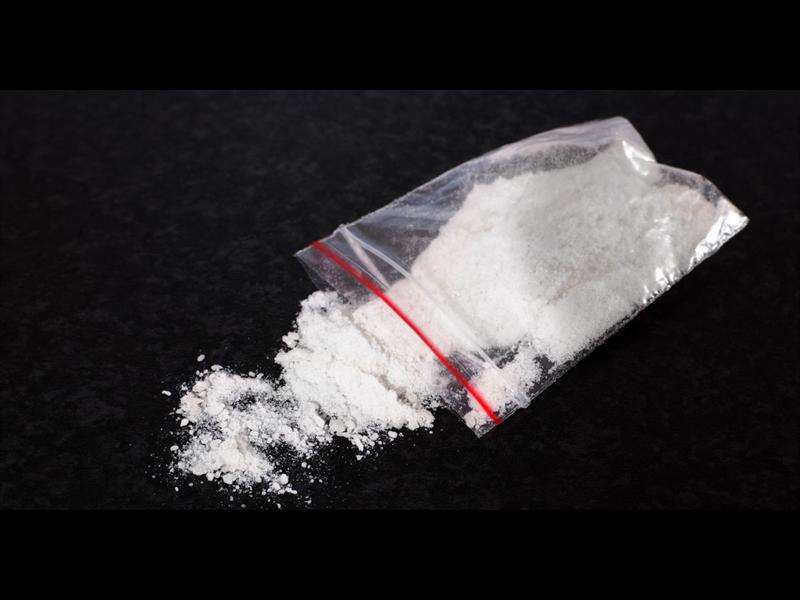
Cat is one of the most commonly abused drugs in South Africa. Due to its highly addictive composition and its popularity as a drug used in tandem with downers, at Crossroads Recovery Centres we have a vast amount of experience with facilitating the detox process from this potent substance. This brief guide will familiarise you with what the drug cat is and how addicts are detoxed from it.

Take the First Step Towards Recovery from Cat Addiction

Ready to reclaim your life from addiction? Contact our Pretoria Centre today and start your journey to recovery.

Reach Out for Compassionate Support and Guidance

Methcathinone (also known as mephedrone) is an addictive psychoactive substance, and abuse of this drug is rapidly increasing in South Africa. A common street name for Methcathinone is ‘CAT’, and its use is mostly associated with the club and rave scenes. There is no medical or pharmaceutical use for this substance and it is mainly produced in illicit ‘Cat labs’, for recreational purposes. According to reports there has been an increase in the use of the drug cat since 2010.

It is often used as a substitute for other stimulants such as cocaine and ecstasy. Cat is not to be confused with the Khat plant, the leaves of which are chewed as a central nervous system stimulant.

The effects of Cat have been described as being very similar to that of cocaine. Unlike cocaine, the ‘high’ effect can last up to six hours, making this a very popular recreational drug. Overdose can occur with any quantity of drug used, and the user is always at risk. Overdose may cause seizures, an increase in body temperature, respiratory failure, coma, and/or death.

Common side-effects include :

  • Intense feelings of euphoria
  • Increased energy
  • Increased confidence
  • Loss of appetite
  • Dilated pupils
  • Feelings of love or empathy towards others
  • Sociability and talkativeness

Adverse effects of Cat include:

  • Nausea
  • Damage to the nasal cavities
  • Nosebleeds
  • Involuntary teeth grinding
  • Hallucinations
  • Blurred vision
  • Loss of appetite
  • Mental confusion
  • Muddled speech
  • Liver, kidney, lung and cardiovascular damage with prolonged use
  • The loss of the ability to make rational decisions
  • Depression
  • Anxiety
  • Memory loss
  • Insomnia
  • Amphetamine psychosis
  • Paranoid delusions
  • Suspicion
  • Violent behaviour
  • Symptoms similar to those of Parkinson’s disease from injecting the drug
  • Greater risk of stroke, coma or death resulting from a blood pressure increase and an irregular cardiac rate

If you or a loved one needs assistance an addiction to Cat, know that help is readily available. The road to recovery is not always an easy one but getting yourself or your loved one the best possible care from the team at Crossroads Recovery Centre, provides you with a map to sober, healthy living. No matter how bad things seem, there is hope and it’s only a phone call away. If you or anyone close to you needs help with an addiction to sex, gambling, substances, alcohol or food, please contact us for a free assessment.

FAQs and Answers

1. What is the drug Cat?
The drug Cat is a psychoactive stimulant known as methcathinone, often used recreationally in South Africa. It produces euphoric and energetic effects but is highly addictive.

2. How long do the effects of Cat last?
The effects of Cat can last up to six hours, which is longer than cocaine and makes it popular in party and club scenes.

3. What are the common side effects of using Cat?
Common side effects include increased energy, loss of appetite, dilated pupils, euphoria, and sociability, but negative effects can occur even with small amounts.

4. Can Cat cause an overdose?
Yes, overdose is possible with any amount of Cat. Symptoms may include seizures, respiratory failure, high body temperature, coma, or death.

5. How does Cat affect the brain and body?
Cat use can lead to memory loss, depression, paranoia, hallucinations, and long-term organ damage, including to the liver, kidneys, lungs, and heart.

6. Is Cat the same as Khat?
No, Cat is a synthetic stimulant called methcathinone, while Khat is a natural plant whose leaves are chewed for a mild stimulant effect.

7. What are the signs of Cat addiction?
Signs include compulsive use, cravings, insomnia, irrational decisions, violent behaviour, and withdrawal symptoms when trying to stop.

8. Where can someone get help for Cat addiction in South Africa?
Specialised treatment is available at rehabilitation centres such as Crossroads Recovery Centre, which offers detox and recovery programmes.

No Obligation Addiction Assessment

Book a No Obligation Confidential Assessment at your nearest Treatment Centre Today.

Johannesburg Admissions: +27 74 895 1043
Pretoria Admissions: +27 82 653 3311
Close

Stories of Recovery

  • The encouragement, love and support from the team at Crossroads allowed me to eventually see that I was worth something - that my life could be turned around and that I could accomplish the things that had long been a forgotten dream.
    Oliver VG
    Read more
  • On the last day of my stint at Crossroads I could only express gratitude towards all who works there. A wise councillor once commented on my question when one is ready for rehab by explaining that when one is ready for rehab, rehab is ready for you.
    Johan B
    Read more
  • I was lost and my soul was broken until I ended up at Crossroads and was introduced to the Twelve Steps. With the help of their excellent staff and amazing support I have recently been clean for 18 months, I could not have done it without them!
    Carla S
    Read more
  • "Just for today I am more than three years in recovery. I have Cross Roads to thank for this wonderful gift. Cross Roads helped me to set a firm foundation in my recovery on which I can continue to build."
    Angelique J
    Read more
Left Arrow Right Arrow

Approved Medical Aids

Bestmed LogoBonitas LogoCAMAF LogoDiscovery Health LogoFedhealth LogoGovernment Employees Medical SchemeLiberty CorporateMedihelp Medical Scheme

Rehabilitation centres – what do they do ?

Reach out now, we can help
Home / Posts tagged "#substance abuse" (Page 2)

Rehabilitation centres – what do they do ?

19 November, 2021Articles, News

There are a number of rehabilitation centres in Johannesburg, each with their own model of how to treat addiction. At Crossroads Recovery Centres, we take a number of approaches to treatment, including group therapy, individual counselling, peer support programmes and goal-setting groups. However, what sets Crossroads Recovery Centre apart as one of the best rehabilitation centres in Johannesburg, is the application of the 12 steps as the foundation of recovery.

During the treatment process, clients will be introduced to the 12-step programme that coincides with their particular addiction. These 12-step fellowships host a number of meetings throughout the city, some of which include meetings for drug addicts, meetings for alcoholics, meetings for co-dependents and meetings for sex and love addicts. The 12 steps is a tried and tested method of recovery that subscribes to the disease model of addiction. An introduction to the 12 steps is one of the critical tools needed to live a life free from addiction. Why? Because it helps the addict or alcoholic to build an invaluable support network before they leave treatment. This support network for many, is indispensable.

Group therapy takes many different forms, For example, at Crossroads Recovery Centres, therapists host a number of different groups that focus on different issues. Process groups for example, are facilitated by an addictions counsellor. They are spaces within which addicts can become vulnerable and share their story with peers who relate completely to what they are going through. There are also spiritual groups, where counsellors address a number of issues related to spirituality. It is important to note that as one of the leading rehabilitation centres in Johannesburg, Crossroads Recovery Centre is not affiliated with any one religious or spiritual group. Like 12-step fellowships, which are spaces that are open to anyone from any religious or non-religious group, Crossroads Recovery Centres are not prescriptive about what clients should believe. Instead, the centre offers guidance and encouragement, helping addicts to connect with themselves, the world around them and their beliefs- drawing strength from those beliefs in learning how to live free from the clutches of addiction.

If you or a loved one needs assistance with addiction – know that help is readily available. The road to recovery is not always an easy one but getting yourself or your loved one the best possible care from the team at Crossroads Recovery Centre, provides you with a map to sober, healthy living. No matter how bad things seem, there is hope and it’s only a phone call away. If you or anyone close to you needs help with an addiction to sex, gambling, substances, alcohol or food, please contact us for a free assessment.

Start a new life free from drugs, alcohol and process addictions.

No Obligation Addiction Assessment

Book a No Obligation Confidential Assessment at your nearest Treatment Centre Today.

Johannesburg Admissions: +27 74 895 1043
Pretoria Admissions: +27 82 653 3311
Close

Stories of Recovery

  • The encouragement, love and support from the team at Crossroads allowed me to eventually see that I was worth something - that my life could be turned around and that I could accomplish the things that had long been a forgotten dream.
    Oliver VG
    Read more
  • On the last day of my stint at Crossroads I could only express gratitude towards all who works there. A wise councillor once commented on my question when one is ready for rehab by explaining that when one is ready for rehab, rehab is ready for you.
    Johan B
    Read more
  • I was lost and my soul was broken until I ended up at Crossroads and was introduced to the Twelve Steps. With the help of their excellent staff and amazing support I have recently been clean for 18 months, I could not have done it without them!
    Carla S
    Read more
  • "Just for today I am more than three years in recovery. I have Cross Roads to thank for this wonderful gift. Cross Roads helped me to set a firm foundation in my recovery on which I can continue to build."
    Angelique J
    Read more
Left Arrow Right Arrow

Approved Medical Aids

Bestmed LogoBonitas LogoCAMAF LogoDiscovery Health LogoFedhealth LogoGovernment Employees Medical SchemeLiberty CorporateMedihelp Medical Scheme

Ritalin abuse in South Africa

Reach out now, we can help
Home / Posts tagged "#substance abuse" (Page 2)

Ritalin abuse in South Africa

03 November, 2021Articles, News

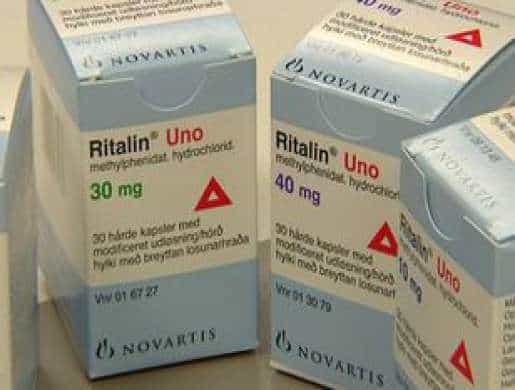
Ritalin is a medication used in the treatment of attention deficit hyperactivity disorder (ADHD). The South African Depression and Anxiety Group (SADAG) defines ADHD as a chronic condition of a combination of problems including the difficulty to sustain attention, hyperactivity and impulsive behaviour. The main medications used in South Africa to treat ADHD are Ritalin and Concerta. They have the same chemical structures (methylphenidate hydrochloride) and are similar in chemical makeup to stimulants such as cocaine and amphetamines. Ritalin can be just as addictive. Street names for Ritalin include diet coke, kiddie cocaine, kiddie coke, poor man’s cocaine, R-ball, rids, skittles, Smarties and vitamin R .

Ritalin is primarily used as a stimulant medication to increase attention span and decrease hyperactivity and impulsive behaviour. The medication seems to have a positive impact on the treatment of ADD (attention deficit disorder) and ADHD but at the same time has opened up a panacea for potential abuse and there is a lot of controversy around the use of medication to treat the diagnosis of ADD and ADHD. In fact, there is huge controversy about the very existence of the above mentioned disorders, with the scientific experts suggesting a clear neurological basis for the disorders and some other more holistic proponents saying they are not diseases in the chemical sense at all but rather behaviourally based maladaptions. The jury is still out.

The dosage prescribed is based on the severity of the condition and the response to treatment. The drug slowly raises the users dopamine levels in the brain, achieving a therapeutic effect for those with proper ADHD (and similar) diagnoses. However, if individuals who do not have ADHD take these medications, the result will be hyperactivity and overstimulation. Though it helps many people, this medication can be addictive. The risk may be higher if you have a related substance use disorder (such as overuse of or an addiction to alcohol). If you suddenly stop using this medication, you may have withdrawal symptoms such as :

  • visual hallucinations,
  • suicidal thoughts
  • psychotic behaviour
  • aggression or violent behaviour
  • depression or other mood changes
  • paranoia
  • fatigue

Withdrawal symptoms are more likely if you have used methylphenidate for a long time or in high doses.

Signs of Ritalin addiction include:

  • Needing higher doses to feel the drug’s effects (tolerance)
  • Experiencing strong urges to use Ritalin
  • Finding new ways to obtain the drug—legally or illegally—in order to abuse it
  • Using Ritalin even if it’s causing issues with loved ones or responsibilities.

Those struggling with an addiction to Ritalin are advised not to quit taking the drug without medical supervision. At Crossroads we consult with our specialist medical provider as to the best method for detoxification for the individual. Some people use the drug recreationally—without a prescription—and those who take more than their prescribed dosage are at risk for developing an addiction to Ritalin. It is common for adolescents who are prescribed these types of medications to trade their drugs to other kids who are not in need of them and hence are using these substances illegally. This leads to very severe consequences in terms behaviour as adolescents and eventual addiction to the medication. When abused by older teens or adults – especially if it’s crushed or snorted or injected – the drug is more like other forms of amphetamine, including methamphetamine, that have damaging and addictive psychological and physical effects.

If you or a loved one needs assistance with Ritalin abuse in South Africa – know that help is readily available. The road to recovery is not always an easy one but getting yourself or your loved one the best possible care from the team at Crossroads Recovery Centre, provides you with a map to sober, healthy living. No matter how bad things seem, there is hope and it’s only a phone call away. If you or anyone close to you needs help with an addiction to sex, gambling, substances, alcohol or food, please contact us for a free assessment.

No Obligation Addiction Assessment

Book a No Obligation Confidential Assessment at your nearest Treatment Centre Today.

Johannesburg Admissions: +27 74 895 1043
Pretoria Admissions: +27 82 653 3311
Close

Stories of Recovery

  • The encouragement, love and support from the team at Crossroads allowed me to eventually see that I was worth something - that my life could be turned around and that I could accomplish the things that had long been a forgotten dream.
    Oliver VG
    Read more
  • On the last day of my stint at Crossroads I could only express gratitude towards all who works there. A wise councillor once commented on my question when one is ready for rehab by explaining that when one is ready for rehab, rehab is ready for you.
    Johan B
    Read more
  • I was lost and my soul was broken until I ended up at Crossroads and was introduced to the Twelve Steps. With the help of their excellent staff and amazing support I have recently been clean for 18 months, I could not have done it without them!
    Carla S
    Read more
  • "Just for today I am more than three years in recovery. I have Cross Roads to thank for this wonderful gift. Cross Roads helped me to set a firm foundation in my recovery on which I can continue to build."
    Angelique J
    Read more
Left Arrow Right Arrow

Approved Medical Aids
Bestmed LogoBonitas LogoCAMAF LogoDiscovery Health LogoFedhealth LogoGovernment Employees Medical SchemeLiberty CorporateMedihelp Medical Scheme

Rehabilitation from substance abuse

Reach out now, we can help
Home / Posts tagged "#substance abuse" (Page 2)

Rehabilitation from substance abuse

08 October, 2021Articles, News

After some trauma and time, either you or a loved one has admitted that they need rehabilitation from substance abuse and now you find yourself in a situation where you need to choose a recovery centre. Choosing a recovery centre for substance abuse can be daunting. There are many different types of treatment centres : faith based programmes, 12-step programmes, SMART recovery programmes, cognitive therapy, dual diagnosis clinics, client-centred approaches, relapse prevention programmes….the choice can be overwhelming and confusing. Below we discuss how Crossroads manages rehabilitation from substance abuse.

Crossroads, Johannesburg is a primary care, rehabilitation from substance abuse centre, offering short-term treatment, (28 days to 84 months). It offers a client-centred approach, built around the 12-step model. Treatment is residential, meaning we offer an in-patient recovery programme, where food, individual counselling, group therapy, family counselling and detoxification are all included in our treatment fee. Although most of our clients come to us for problems with substance abuse, we also treat other forms of addictions, such as : gambling, food, and sex. We do work with most major medical aids, this means that we can manage the authorisations on your behalf before you check-in which minimises some of the stress for you.

As part of the individual therapy, we offer both trauma counselling and 12-Step counselling. Trauma can be defined as a deep psychological wound, one that has a profound impact on the emotional well-being and everyday functioning of the sufferer. Trauma counselling provides an outlet where people can discuss their experiences and develop strategies for dealing with the ongoing difficulties they face as a result. Trauma counselling is done to heal the wounds of the past and to aid the clients in achieving a successful recovery from substance abuse.

All of our counsellors at Crossroads Recovery Centre, Johannesburg have experience in working and living the 12-steps of recovery. Some of our counsellors have over 20 years experience in dealing with substance abuse. In the 12-step process, written step-work is used to inform a large part of the individual counselling process. Through processing step-work with a counsellor, our clients gain insight into their own addiction and how to live successfully once they leave treatment. The integration of the 12-steps in the counselling process means that the clients who leave Crossroads Recovery Centre, adjust well to a supportive, non-professional environment, such as the rooms of Alcoholics Anonymous and Narcotics Anonymous.

Although we are primarily as 12-step based centre for the rehabilitation from substance abuse, we also make use of other therapy models such as : process groups, gender groups, exposure groups, life story groups, planning and objectives groups and spiritual groups. A bit about these groups is explained below :

1. Process Groups

The process group is the most common type of therapeutic group given at Crossroads Recovery Centre. An addictions counsellor is present and facilitates the running of the group while each client is asked to participate. Group therapy is an intensive process, clients are asked to be vulnerable and give feedback to one another. This process is incredibly beneficial as it is the best way for clients to bring the issues they may have to light and start to deal with them in a supportive environment.

2. Gender Groups

In gender groups men and women are separated. This gives each client space to address any gender-specific problems they may have. A counsellor facilitates the group and prepares topics for discussion and reflection. We find that separating the genders gives our clients an opportunity to talk about issues and concerns that they may feel uncomfortable addressing in front of members of the opposite sex. It is a format which encourages a deeper discussion about issues that may be gender-specific and gender-sensitive, for example; sexual abuse, love and sex addiction, marriage problems, sexual dysfunction and expectations set by gender roles.

3. Spiritual Groups

Spirituality is a cornerstone of a 12-step recovery programme. In these groups counsellors address a number of issues related to spirituality. These include topics such as meditation, spiritual principles and finding new ways to connect with a higher power of your own understanding. Though topics and thoughts from certain religions may be brought up, Crossroads Recovery Centre, prides itself on being inclusive of all religions and faiths, or lack thereof. These topics encourage discussion and exploration of new ideas related to each individuals spiritual practice so that they may gain a better understating of the 12 steps as a whole.

4. Planning and Objectives

Many people come into recovery lacking direction and discipline. Weekly planning and objective groups are structured in a way that encourages our clients to set meaningful, attainable, short-term goals in order to work up to achieving long-term objectives. Each week the clients give a report on whether they achieved their goals or not. They are then held accountable by their peers. This continuous process of goal-setting and reporting back, helps our clients learn how to go forward with planning and structure once they leave our facility.

5. Exposure Groups

From time-to-time it becomes apparent that a person may not be doing as well as expected in treatment. This may be for several reasons. It could be holding on to old ideas, refusing to participate, being dishonest or breaking rules in the facility. For whatever reason, the person may be confronted in a group therapy session. In this type of group, several counsellors may participate, and the clients’ peers are given an opportunity to address them directly. We have found that this type of confrontation can be very powerful in addressing problematic behaviours. Subjects of a sensitive or confidential matter are not handled in this type of confrontation.

6. Life Story Groups

As part of the therapeutic process at Crossroads Recovery Centre, all clients are asked to write a life story. This is presented to the group as well as the counsellors. The life story reveals past behaviour patterns and thinking, this combined with behaviour that has occurred in their time at Crossroads Recovery Centre, is processed and feedback is given. The client has an opportunity to hear what their peers and counsellors think. This feedback helps them in their recovery from substance abuse moving forwards, and often reveals what attitudes and behaviours may prove problematic in the long run. From this point our client can move forward with a better understanding of how they can better help themselves.

All of these groups have the primary aim of rebuilding an individual and getting them towards a place where they are able to reintegrate into society and function within their families, social circles and workplaces, harnessing their maximum potential.

The road to rehabilitation from substance abuse is not always an easy one but getting yourself or your loved one the best care from the team at Crossroads Recovery Centre, provides you with a map to sober, healthy living. No matter how bad things seem, there is hope and it’s just a phone call away. If you or anyone close to you needs help with an addiction to sex, gambling, substances, alcohol or food, please contact us for a free assessment.

www.crossroadsrecovery.co.za

074 89 51043 JHB

012 450 5033 PTA

No Obligation Addiction Assessment

Book a No Obligation Confidential Assessment at your nearest Treatment Centre Today.

Johannesburg Admissions: +27 74 895 1043
Pretoria Admissions: +27 82 653 3311
Close

Stories of Recovery

  • The encouragement, love and support from the team at Crossroads allowed me to eventually see that I was worth something - that my life could be turned around and that I could accomplish the things that had long been a forgotten dream.
    Oliver VG
    Read more
  • On the last day of my stint at Crossroads I could only express gratitude towards all who works there. A wise councillor once commented on my question when one is ready for rehab by explaining that when one is ready for rehab, rehab is ready for you.
    Johan B
    Read more
  • I was lost and my soul was broken until I ended up at Crossroads and was introduced to the Twelve Steps. With the help of their excellent staff and amazing support I have recently been clean for 18 months, I could not have done it without them!
    Carla S
    Read more
  • "Just for today I am more than three years in recovery. I have Cross Roads to thank for this wonderful gift. Cross Roads helped me to set a firm foundation in my recovery on which I can continue to build."
    Angelique J
    Read more
Left Arrow Right Arrow

Approved Medical Aids
Bestmed LogoBonitas LogoCAMAF LogoDiscovery Health LogoFedhealth LogoGovernment Employees Medical SchemeLiberty CorporateMedihelp Medical Scheme
add_action('wp_footer', function() { ?>