
What Is Drug Addiction?

Reach out now, we can help
Home / Posts tagged "#PTA rehab" (Page 5)

What Is Drug Addiction?

30 June, 2021Articles, News

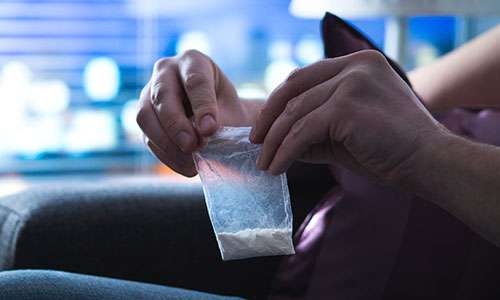
Drug addiction is a disease that affects your brain and behaviour. When you’re addicted to drugs, you can’t resist the urge to use them, no matter how much harm the drugs may cause to you and those around you.

Drug addiction isn’t about just heroin, cocaine, or other illegal drugs. You can get addicted to alcohol, nicotine, opioid painkillers, and other legal substances.

Drug addiction is a complex neurobiological disease that requires integrated treatment of the mind, body, and spirit. It is considered a brain disease because drugs change the brain structure and how it works.

Individuals struggling with drug addiction often feel as though they cannot function normally without their drug of choice. This can lead to a wide range of issues that impact professional goals, personal relationships, and overall health. Over time, these serious side-effects can be progressive, and if left untreated, sometimes fatal.

Addiction vs. Abuse
Drug abuse is when you use legal or illegal substances in ways you shouldn’t. You may abuse drugs to feel good, ease stress, or avoid reality. However, usually, you’re able to change your unhealthy habits or stop using altogether.

Addiction is when you can’t stop. Not when it puts your health in danger. Not when it causes financial, emotional, and other problems for you or your loved ones. That urge to get and use drugs can fill up every minute of the day, even if you want to quit.

Addiction and Your Brain

The drugs that may be addictive target your brain’s reward system. They flood your brain with a chemical called dopamine. This triggers a feeling of intense pleasure. So you keep taking the drug to chase that high.

Over time, your brain gets used to the extra dopamine. So you might need to take more of the drug to get the same good feeling. Other things you enjoyed, like food and hanging out with family, may give you less pleasure.

Who is Most Likely to Become Addicted?

Not everyone who uses drugs becomes addicted to them. But it can happen to anyone and at any age. Some things may raise your chances of addiction, including:

  • Family history. Your genes are responsible for about half of your odds. If your parents or siblings have problems with alcohol or drugs, you’re more likely to as well. Women and men are equally likely to become addicted.
  • Early drug use. Children’s brains are still growing, and drug use can change that. Taking drugs at an early age may make you more likely to become addicted as you get older.

Signs of Addiction

You may have one or more of these warning signs:

  • An urge to use the drug every day or many times a day.
  • You take more drugs than you want to and for longer than you thought you would.
  • You always have the drug with you, and you buy it even if you can’t afford it.
  • You keep using drugs even if it causes you trouble at work or makes you lash out at family and friends.
  • You spend more time alone.
  • You don’t take care of yourself or care how you look.
  • You steal, lie, or do dangerous things like driving while high or have unsafe sex.
  • You spend most of your time getting, using or recovering from the effects of the drug.
  • You feel sick when you try to quit.

There is no cure for addiction, but people can and do recover, if you or a loved one need assistance – know that help is readily available. The road to recovery is not always an easy one but getting yourself or your loved one the best care from the team at Crossroads Recovery Centre, provides you with a map to sober, healthy living. No matter how bad things seem, there is hope and it is a phone call away. If you or anyone close to you needs help with an addiction to sex,  gambling,  substances,  alcohol or food, please contact us for a free assessment.

www.crossroadsrecovery.co.za

074 89 51043 JHB

012 450 5033 PTA

RESOURCES

https://www.webmd.com/mental-health/addiction/drug-abuse-addiction#1

No Obligation Addiction Assessment

Book a No Obligation Confidential Assessment at your nearest Treatment Centre Today.

Johannesburg Admissions: +27 74 895 1043
Pretoria Admissions: +27 82 653 3311
Close

Stories of Recovery

  • The encouragement, love and support from the team at Crossroads allowed me to eventually see that I was worth something - that my life could be turned around and that I could accomplish the things that had long been a forgotten dream.
    Oliver VG
    Read more
  • On the last day of my stint at Crossroads I could only express gratitude towards all who works there. A wise councillor once commented on my question when one is ready for rehab by explaining that when one is ready for rehab, rehab is ready for you.
    Johan B
    Read more
  • I was lost and my soul was broken until I ended up at Crossroads and was introduced to the Twelve Steps. With the help of their excellent staff and amazing support I have recently been clean for 18 months, I could not have done it without them!
    Carla S
    Read more
  • "Just for today I am more than three years in recovery. I have Cross Roads to thank for this wonderful gift. Cross Roads helped me to set a firm foundation in my recovery on which I can continue to build."
    Angelique J
    Read more
Left Arrow Right Arrow

Approved Medical Aids

Bestmed LogoBonitas LogoCAMAF LogoDiscovery Health LogoFedhealth LogoGovernment Employees Medical SchemeLiberty CorporateMedihelp Medical Scheme

The myths surrounding nyaope

Reach out now, we can help
Home / Posts tagged "#PTA rehab" (Page 5)

The myths surrounding nyaope

25 June, 2021Articles, News

Nyaope is a street drug that first emerged in the late 2000’s in the Pretoria townships of Soshanguve and Mamelodi. It has ravaged informal settlements and poorer communities across South Africa, as it is easily available, inexpensive and highly physically addictive. It is known by different street names in other parts of South Africa : ‘whoonga’ or ‘sugars’ in KwaZulu-Natal and ‘pinch’ in the Limpopo and Mpumalanga regions. It appears as a white or brown powder that is smoked with marijuana or, as the addiction progresses – sometimes injected intravenously. The main ingredients in nyaope are low-grade heroin and marijuana which are frequently cut with various other substances such as methamphetamines, milk powder and a host of other easily available items. Though the name of the drug varies from place to place, the components of the mixture remain the same. Because the ingredients vary from region to region, many myths about the exact ingredients of the substance are perpetuated, primarily by the media.

One of these myths is that nyaope users mix antiretrovirals (ARV’s) medications with heroin in order to enhance the effect of the drug. Reports in the media of ARVs being added to nyaope started emerging in 2011 and 2012. According to these reports, several doctors in Soweto reported that their consultation rooms had been ransacked and HIV medication stolen. Media reports also cited HIV patients being robbed of their pills after collecting them from local clinics; others reported patients selling their ARVs to nyaope addicts or dealers. When taken orally as prescribed, an ARV known as Efavirenz is associated with hallucinations, delusions. After seeing a news report about the use of ARVs in nyaope, John Schetz, associate professor at the University of North Texas Health Science Centre in the United States, conducted research into the effects of smoking Efavirenz. His findings, published in the international scientific journal Neuropsychopharmacology, showed that Efavirenz had ” [a] prevailing behavioural effect in rodents [that] is consistent with LSD-like activity”. However, no study has been conducted involving humans smoking Efavirenz. In 2017 the Department of Health replaced Efavirenz with Dolutegravir due to the abnormal rate of liver damage in users of Efavirenz. Many studies have been done on the contents of nyaope and none have recorded the presence of ARV’s within the mixtures.

Another myth regarding nyaope addicts refers to something called “bluetoothing”. This particular myth originated when a photograph of nyaope users appeared in the media. The image went viral in January 2017. The practice of “bluetoothing” referred to injecting heroin into one user and that same user drawing their blood and injecting it into another user and the next user experiencing a high. There is no scientific evidence to support the idea that this would work in the first place. Secondly, researchers have questioned users who say that this is not a practice that occurs amongst themselves.

Nyaope was classified as illegal in March 2014, with the amendment of the Drugs and Trafficking Act of 2014 (Government Gazette, 2014). The Act was amended to include a ban on substances that contain “other prohibited drugs like heroin and dagga, as they are illegal”. People caught using nyaope can now be sentenced for up to 15 years. Those caught selling the concoction face up to 25 years in jail. Data gathered by the South African Community Epidemiology Network on Drug Use (SACENDU), shows an increase in the number of patients reporting Nyaope as their primary substance of use in both 2017 and 2018 and the numbers are continuing to climb.

The high from nyaope creates a feeling of euphoria, contentment and relaxation. The effects of smoking nyaope are less potent, and as dependency builds, the preferred method changes to intravenous use as this produces a more intense high. After the initial effects, a feeling of drowsiness can persist for several hours. Harmful or negative side-effects may include:

  • Nausea
  • Vomiting
  • Infections of the blood, heart, skin, liver and kidneys
  • Respiratory problems
  • Extreme weight loss
  • Tremors
  • Sweating
  • Extreme muscle and bone pain
  • Drowsiness
  • Mood swings
  • Low levels of motivation
  • Mental confusion

The drug may also trigger psychiatric episodes in people who already have a genetic vulnerability.

Withdrawing from the drug needs to be done with medical care. The extreme physical pain that results from abstaining from the drug, creates challenges in successful withdrawal. The withdrawal symptoms can present as severe abdominal cramps, diarrhoea or flu-like symptoms, which can last for four to six days after the patient has stopped using. Nyaope temporarily relieves the pain associated with withdrawal, thereby creating a cyclical pattern of usage. Symptoms may include:

  • Nausea
  • Vomiting
  • Anxiety
  • Depression
  • Excessive yawning or sneezing
  • Stomach cramps
  • Severe muscle and bone pain
  • Fever
  • Sweats
  • Chills
  • Involuntary spasms
  • Diarrhoea

It is thus recommended that withdrawal from the drug be conducted under the care of trained medical professionals together with experienced, trained, addiction counsellors.

There is a dearth of literature on the use of nyaope and the impact it has on individuals and communities. What is known about the drug, has been largely reported by the media and as we have already discussed, much of that is false information. What we are beginning to learn is that addiction to nyaope is particularly pernicious and requires long-term treatment. Relapse rates are, at the moment, high for a variety of reasons. The mixture of heroin and other strong chemicals leaves the addict both physically and psychologically dependent. Nyaope causes major changes to the chemistry of the brain. Recovering addicts need to learn new skills and be motivated to cope with the intense cravings that are associated with this addiction. Success rates for treatment improve, when the family become involved in the treatment. Successful recovery is very much dependent on the support received, the dedication to the programme and large changes in lifestyle.

South Africa has around 80 private drug rehabilitation centres, including those run by SANCA, and eight government facilities. There is a lack of drug rehabilitation services in the public sector and waiting lists are often very long- this, together with the high rates of unemployment in South Africa, means the available private services are unaffordable. Many addicts do not have access to rehab centres. Additionally, the required rehabilitation period is long. At least a full year of intense rehabilitation and family commitment and support are required to successfully rehabilitate a nyaope addict. The situation has become so desperate that some nyaope users even resort to creating their own “rehabilitation” rooms or communities where an addict is often physically restrained. Standard rehabilitation programmes typically remove the addict from his or her social environment, this alone may not be sufficient for someone addicted to nyaope, as upon return, he or she must go back to the same unfavourable social environment, which promotes relapse. An unfavourable social environment is defined as an environment that promotes nyaope use by enabling ease of access to nyaope and an idle lifestyle which does not offer structure in the lives of the users. Factors identified as contributory to drug use include poverty, unemployment and a lack of recreational facilities. A tailored 12-step programme that is uniquely designed to suit the individual user, may hold the key to successful rehabilitation for people who are addicted to this drug.

The consequences of nyaope addiction are long-lasting and devastating, not only for the addict but their families and their communities. Getting professional help is necessary for anyone coming off nyaope, a medical detox is needed- then the addict needs assistance learning to cope and live without the use of substances. If you or a loved one need assistance with detoxing from nyaope – know that help is readily available. The road to recovery is not always an easy one but getting yourself or your loved one the best care from the team at Crossroads Recovery Centre, provides you with a map to sober, healthy living. No matter how bad things seem, there is hope and it is a phone call away. If you or anyone close to you needs help with an addiction to sex,  gambling,  substances,  alcohol or food, please contact us for a free assessment.

www.crossroadsrecovery.co.za

074 89 51043 JHB

012 450 5033 PTA

References :

Mokwena, Kebogile. “Consider our plight”: A cry for help from nyaope users”. Health SA Gesondheid, volume 21, December 2016, Pages 137-142. https://www.sciencedirect.com/science/article/pii/S1025984815000241

Msomi, Nelisiwe. ‘Bluetoothing’: The drug myth that fooled a nation? February 15, 2017. https://bhekisisa.org/article/2017-02-15-00-bluetooth-the-myth-that-fooled-a-nation/

Skosana, Ina. “We need to talk about caving in to nyaope” – June 6, 2014. https://bhekisisa.org/article/2014-06-06-we-need-to-talk-about-caving-in-to-nyaope/

No Obligation Addiction Assessment

Book a No Obligation Confidential Assessment at your nearest Treatment Centre Today.

Johannesburg Admissions: +27 74 895 1043
Pretoria Admissions: +27 82 653 3311
Close

Stories of Recovery

  • The encouragement, love and support from the team at Crossroads allowed me to eventually see that I was worth something - that my life could be turned around and that I could accomplish the things that had long been a forgotten dream.
    Oliver VG
    Read more
  • On the last day of my stint at Crossroads I could only express gratitude towards all who works there. A wise councillor once commented on my question when one is ready for rehab by explaining that when one is ready for rehab, rehab is ready for you.
    Johan B
    Read more
  • I was lost and my soul was broken until I ended up at Crossroads and was introduced to the Twelve Steps. With the help of their excellent staff and amazing support I have recently been clean for 18 months, I could not have done it without them!
    Carla S
    Read more
  • "Just for today I am more than three years in recovery. I have Cross Roads to thank for this wonderful gift. Cross Roads helped me to set a firm foundation in my recovery on which I can continue to build."
    Angelique J
    Read more
Left Arrow Right Arrow

Approved Medical Aids

Bestmed LogoBonitas LogoCAMAF LogoDiscovery Health LogoFedhealth LogoGovernment Employees Medical SchemeLiberty CorporateMedihelp Medical Scheme

Know the Facts About the drug Cat

Reach out now, we can help
Home / Posts tagged "#PTA rehab" (Page 5)

Know the Facts About the drug Cat

23 June, 2021Articles, News

Know the Facts About the Drug Cat and Take the First Step to Recovery

Methcathinone or “cat”, as it is more commonly known, is a stimulant that is structurally similar to methamphetamine and cathinone. It is clandestinely manufactured from readily available chemicals and is fairly cheap and easy to manufacture in home kitchens. The drug is concocted from a “witches brew” of acids, thinners, and over-the-counter asthma medication (ephedrine). It is usually found as a white or off-white crystalline powder, which is most commonly snorted, although it can be taken orally by mixing it with a beverage or diluted in water. It may also be injected intravenously. Methcathinone produces amphetamine-like activity and is a highly addictive drug, similar to crack cocaine. Similar to other stimulants, methcathinone can amplify the action of the neurotransmitters, norepinephrine and dopamine. As is the case with crack cocaine, the addiction is difficult to treat.

Take the First Step Towards Recovery from Cat Addiction

Seeking support for addiction recovery in the LGBTQ+ community? Connect with our Pretoria Centre for inclusive care and understanding.

Reach Out for Compassionate Support and Guidance

As of June 2014, cat became controlled as a Class C drug under the Misuse of Drugs Act (1971). Possession incurs a possible sentence of two years imprisonment, a fine or both. Possession with intent to supply or production could each result in a maximum sentence of 14 years imprisonment, a fine or both.

Negative side-effects of the drug cat may include:

  • Anxiety
  • Convulsions
  • Delusions
  • Fever
  • Hallucinations
  • Tremors

Long-term effects may include :

  • Hallucinations
  • Anxiety followed by depression
  • Tremors and convulsions
  • Anorexia, malnutrition, and weight loss
  • Elevated blood pressure
  • Death

Early withdrawal symptoms of anxiety and profuse sweating can precede convulsions, hallucinations, and severe depression. Withdrawal should be done with the assistance of a medical professional.

Cat is psychologically highly addictive, individuals may lose their ability to feel empathy. They may also lose their self-worth and direction and often become distant and removed. However an addiction to cat can be treated through the correct methods and therapies, as with any addiction it is important to address it holistically and openly.

If you or a loved one needs assistance with an addiction to cat – know that help is readily available. The road to recovery is not always an easy one, but getting yourself or your loved one the best possible care from the team at Crossroads Recovery Centres provides you with a map to sober, healthy living. No matter how bad things seem, there is hope, and it’s only a phone call away. If you or anyone close to you needs help with an addiction to sex, gambling, substances, alcohol or food, contact us for a free assessment.

FAQs and Answers

  1. What is the drug Cat?
    Cat is the street name for methcathinone, a stimulant related to methamphetamine and cathinone. It usually appears as a white or off white crystalline powder.
  2. How is Cat made and why is it dangerous?
    Cat is often made illicitly from easily available chemicals and over the counter medicines. Home manufacture can produce toxic impurities and unpredictable strength, increasing the risk of harm.
  3. How is Cat typically used?
    It is most commonly snorted, but can also be taken orally, diluted in a drink, or injected. The route of use affects how quickly effects start and the level of risk.
  4. What short term effects does Cat cause?
    Short term effects include heightened alertness, increased heart rate and blood pressure, anxiety, tremors, hallucinations and in severe cases convulsions or fever.
  5. What are the long term health risks of Cat use?
    Long term risks include persistent hallucinations, severe anxiety and depression, tremors, weight loss and malnutrition, raised blood pressure and an increased risk of death.
  6. Is Cat addictive?
    Yes. Cat produces amphetamine like effects and is highly addictive. Psychological dependence can develop quickly and is often difficult to overcome without support.
  7. What are withdrawal symptoms and how should withdrawal be managed?
    Early withdrawal can include severe anxiety and profuse sweating, which may lead to convulsions, hallucinations and deep depression. Withdrawal should be managed by medical professionals to reduce risk.
  8. How can someone get help for Cat addiction?
    Seek a medical assessment from addiction specialists or local health services. Effective treatment often combines medical supervision, psychological therapies and social support.

Resources :

https://www.news24.com/health24/lifestyle/street-drugs/psychoactives/what-is-the-drug-called-cat-20141112

https://www.mobieg.co.za/addiction/types-of-drugs/cat-khat-dependency/

No Obligation Addiction Assessment

Book a No Obligation Confidential Assessment at your nearest Treatment Centre Today.

Johannesburg Admissions: +27 74 895 1043
Pretoria Admissions: +27 82 653 3311
Close

Stories of Recovery

  • The encouragement, love and support from the team at Crossroads allowed me to eventually see that I was worth something - that my life could be turned around and that I could accomplish the things that had long been a forgotten dream.
    Oliver VG
    Read more
  • On the last day of my stint at Crossroads I could only express gratitude towards all who works there. A wise councillor once commented on my question when one is ready for rehab by explaining that when one is ready for rehab, rehab is ready for you.
    Johan B
    Read more
  • I was lost and my soul was broken until I ended up at Crossroads and was introduced to the Twelve Steps. With the help of their excellent staff and amazing support I have recently been clean for 18 months, I could not have done it without them!
    Carla S
    Read more
  • "Just for today I am more than three years in recovery. I have Cross Roads to thank for this wonderful gift. Cross Roads helped me to set a firm foundation in my recovery on which I can continue to build."
    Angelique J
    Read more
Left Arrow Right Arrow

Approved Medical Aids

Bestmed LogoBonitas LogoCAMAF LogoDiscovery Health LogoFedhealth LogoGovernment Employees Medical SchemeLiberty CorporateMedihelp Medical Scheme

Addiction Explained to Non-Addicts.

Reach out now, we can help
Home / Posts tagged "#PTA rehab" (Page 5)

Addiction Explained to Non-Addicts.

18 June, 2021Articles, News

Drug addiction is a chronic, progressive condition, one that has far-reaching implications for addicts and their loved ones alike, and it’s not easy for non-addicts to fully grasp the destructive and all-consuming cycle of addiction. Often, non-addicts assume that people who are addicted to drugs or alcohol are merely weak or without morals, when in fact they have a legitimate disorder that requires treatment, just like any other chronic medical condition.

UNDERSTANDING ADDICTION AND THE BRAIN

Addiction is a complex disease of the brain and body that involves compulsive use of one or more substances despite serious health and social consequences. Addiction disrupts regions of the brain that are responsible for reward, motivation, learning, judgment and memory. It damages various body systems as well as families, relationships, schools, workplaces and neighborhoods.

Newer definitions describe addiction as a primary disease, meaning that it is not the result of other causes, such as emotional or psychiatric problems, as previous DSM’s would suggest, and like cardiovascular disease and diabetes, addiction is recognized as a chronic disease; so it must be treated, managed and monitored as a disease because it has physical and mental manifestations, is progressive and is chronic.

CHARACTERISTICS OF ADDICTION

Compulsive Use

Compulsive use has three elements: reinforcement, tolerance, and habit.

Reinforcement occurs when the addictive substance or behaviour is first engaged. Being rewarded with pleasure and/or relief from pain and stress reinforces the user. As he or she continues to ingest the substance or engage in the behaviour, tolerance develops and it takes larger doses of the substance or behaviour to obtain the sought-after pleasure or relief. Habit, the third element in compulsive use, results from deeply ingrained patterns in the memory of the nervous system.

Addictive behaviours often involve automatic responses.

Physical Craving

Means that the body and brain send intense signals that the drug or behaviour is needed. Using drugs on an ongoing basis alters the chemical balance of the brain. Withdrawal symptoms are unpleasant physical symptoms (the opposite of the drug effects) and may kick in when the drug(s) or behaviours are withheld. Psychological cravings related to the experience of taking the drug or engaging in the behaviour can also occur.

Loss of Control

Typically, addicts cannot predict or determine how much of the drug they will use or when they will use it. However, once they begin, they cannot stop. This may be due in part to impairment of the brain and memory. This same loss of control also applies to other addictive behaviours such as compulsive gambling or sex. Research on alcohol addiction has shown that intoxication can cause “alcohol myopia,” a condition that decreases judgment, decision-making, and planning and negatively affects the perception and skills necessary to effectively evaluate one’s environment.

Continued Use Despite Adverse Consequences

Addictive behaviour has negative consequences. Addicts may not be aware of these consequences although those persons associated with the users are aware of these consequences (e.g. family). This is also referred to as “Denial”. Addicts, if they are aware, may feel that the pleasurable or pain-relieving features of drug use outweigh the problems.

Tolerance

When a drug is used continually, the body adapts to—and begins to tolerate the drug’s pharmacological effects. As a result, the user needs more and more of the substance or the behaviour to achieve the intensity and duration of the initial experience. The continual user must also take more drugs to avoid the physical discomfort and psychological distress that accompany withdrawal. A researcher named Doweiko indicates two types of tolerance: (1) metabolic tolerance (also called pharmacokinetic tolerance) when the body increases its efficiency in breaking down chemicals for elimination and (2) pharmacodynamic tolerance (also called functional tolerance) when the central nervous system becomes less sensitive to the effects of the drug of choice.

Withdrawal

When drug use is stopped, the addict suffers unpleasant effects that are usually the opposite of those induced by the chemical. Because the body has adapted to the drug, withdrawal (unless carefully monitored and managed) not only is miserable, but may be life-threatening as well. Withdrawal may create the rebound effect: “The characteristic of a drug to produce reverse effects when the effect of the drug has passed or the patient no longer responds to it”. Alcohol withdrawal without medical assistance can escalate to the point where the client may experience delirium tremens, a condition that can create seizures, disorientation, and even death.

WHY IS WILL POWER OFTEN NOT ENOUGH?

The initial and early decisions to use substances reflect a person’s free or conscious choice. However, once the brain has been changed by addiction, that choice or willpower becomes impaired. Perhaps the most defining symptom of addiction is a loss of control over substance use.

ARE PEOPLE WITH ADDICTION RESPONSIBLE FOR THEIR ACTIONS?

People with addiction should not be blamed for suffering from the disease. All people make choices about whether to use substances. However, people do not choose how their brain and body respond to drugs and alcohol, which is why people with addiction cannot control their use while others can. People with addiction can still stop using – it’s just much harder than it is for someone who has not become addicted.

People with addiction are responsible for seeking treatment and maintaining recovery. Often they need the help and support of family, friends and peers to stay in treatment and increase their chances of survival and recovery.

If you or a loved one needs assistance with an addiction – know that help is readily available. The road to recovery is not always an easy one, but getting yourself or your loved one the best possible care from the team at Crossroads Recovery Centres provides you with a map to sober, healthy living. No matter how bad things seem, there is hope, and it’s only a phone call away. If you or anyone close to you needs help with an addiction to sex, gambling, substances, alcohol or food, contact us for a free assessment.

www.crossroadsrecovery.co.za

074 89 51043 JHB

012 450 5033 PTA

RESOURCES:

A Forever Recovery. 2017. Can Non-Addicts Truly Understand When Explaining Addiction to Them.

https://aforeverrecovery.com/blog/addiction/can-non-addicts-truly-understand-what-addiction-is/

Coombs, R.H & Howatt, W.A. 2005. The Addiction Counselor’s Desk Reference. Wiley: New Jersey.

No Obligation Addiction Assessment

Book a No Obligation Confidential Assessment at your nearest Treatment Centre Today.

Johannesburg Admissions: +27 74 895 1043
Pretoria Admissions: +27 82 653 3311
Close

Stories of Recovery

  • The encouragement, love and support from the team at Crossroads allowed me to eventually see that I was worth something - that my life could be turned around and that I could accomplish the things that had long been a forgotten dream.
    Oliver VG
    Read more
  • On the last day of my stint at Crossroads I could only express gratitude towards all who works there. A wise councillor once commented on my question when one is ready for rehab by explaining that when one is ready for rehab, rehab is ready for you.
    Johan B
    Read more
  • I was lost and my soul was broken until I ended up at Crossroads and was introduced to the Twelve Steps. With the help of their excellent staff and amazing support I have recently been clean for 18 months, I could not have done it without them!
    Carla S
    Read more
  • "Just for today I am more than three years in recovery. I have Cross Roads to thank for this wonderful gift. Cross Roads helped me to set a firm foundation in my recovery on which I can continue to build."
    Angelique J
    Read more
Left Arrow Right Arrow

Approved Medical Aids
Bestmed LogoBonitas LogoCAMAF LogoDiscovery Health LogoFedhealth LogoGovernment Employees Medical SchemeLiberty CorporateMedihelp Medical Scheme
add_action('wp_footer', function() { ?>