
Cocaine Treatment Strategies: Latest Insights for Lasting Recovery

Reach out now, we can help
Home / Posts tagged "johannesburg rehab" (Page 2)

Cocaine Treatment Strategies: Latest Insights for Lasting Recovery

14 August, 2025Articles, News

Cocaine addiction is one of the most challenging substance use disorders to treat. Its powerful effect on the brain’s reward system makes relapse likely without a structured, supportive, and evidence-based approach. At Crossroads Recovery Center, we believe that understanding the most effective cocaine treatment strategies offers hope to those seeking lasting recovery.

1. Contingency Management (CM)

CM uses positive reinforcement—such as rewards or privileges—for meeting treatment goals like negative drug tests. Research consistently shows it helps clients stay motivated, especially in early recovery.

2. Cognitive Behavioural Therapy (CBT)

CBT equips clients with tools to recognise triggers, challenge harmful thinking patterns, and develop healthier coping skills. It remains a cornerstone of effective cocaine treatment strategies in rehab.

3. The Matrix Model

This structured programme blends individual counselling, group therapy, family education, and relapse prevention training. Delivered over several months, it offers consistent guidance through early recovery.

4. Motivational Interviewing (MI)

MI is a client-centred approach that helps individuals strengthen their own reasons for change, building trust and commitment to the recovery process.

5. 12-Step Support Groups

Groups such as Cocaine Anonymous (CA) and Narcotics Anonymous (NA) provide ongoing peer support, accountability, and a sense of belonging. They are a powerful long-term resource alongside formal treatment.

6. Holistic Recovery Approaches

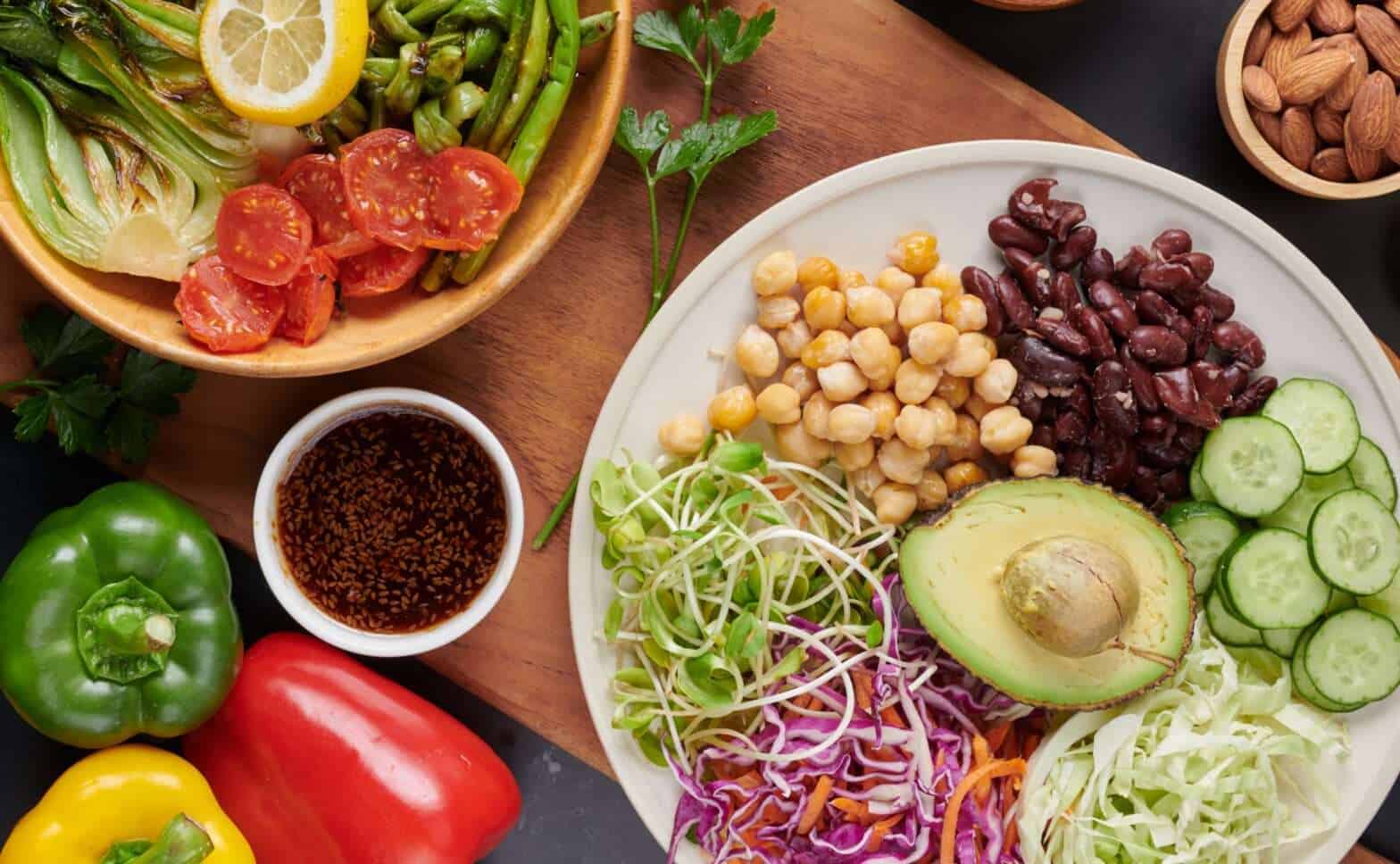
Lasting recovery goes beyond stopping cocaine use—it’s about rebuilding a healthy, balanced life. Incorporating exercise, good nutrition, mindfulness, and supportive relationships reduces relapse risk and improves overall wellbeing.

Our Commitment at Crossroads

At Crossroads Recovery Center, we combine these proven cocaine treatment strategies with personalised care, addressing the emotional, physical, and social aspects of addiction. Recovery is possible—and we are here to walk that journey with you.

If you or someone you love is struggling with cocaine addiction, reach out to us today. Together, we can build a foundation for lasting change.

Take Control of Your Recovery Journey

At Crossroads Recovery Centre, we offer personalised programs to help you maintain your sobriety and navigate life’s challenges. Whether you’re in Johannesburg or Pretoria, we’re here to support you on your recovery journey. Contact us today to learn more about our comprehensive addiction treatment services and how we can help you stay on track.

Supportive Sobriety Programs in Johannesburg and Pretoria

FAQs and Answers

1. What makes cocaine addiction treatment different from other substance use treatments?
Cocaine affects the brain’s dopamine system uniquely, often leading to intense psychological cravings. This requires a tailored, multi-faceted treatment plan that goes beyond detox.

2. Can I get cocaine treatment in Johannesburg or Pretoria?
Yes, Crossroads Recovery Centre offers evidence-based cocaine treatment strategies in both Johannesburg and Pretoria, delivered by experienced professionals.

3. Is detox necessary before starting cocaine addiction therapy?
Although physical withdrawal from cocaine is less severe than substances like alcohol or heroin, a detox period is often recommended to stabilise the patient before therapy begins.

4. Does medical aid cover cocaine treatment at Crossroads Recovery Centre?
Many South African medical aids do offer cover for approved addiction treatment. Crossroads Recovery Centre accepts several recognised schemes—please check with your provider.

5. How do I know if I need professional cocaine treatment?
If cocaine use is affecting your relationships, work, finances, or mental health—or if you find it hard to stop—you may need professional support to recover.

6. Can I continue working while undergoing cocaine treatment?
Yes. Outpatient programmes at Crossroads allow individuals to receive therapy while continuing with work and family commitments, especially helpful for professionals.

7. What kind of aftercare is provided after completing cocaine treatment?
We provide relapse prevention planning, peer support group recommendations, ongoing counselling options, and wellness strategies for long-term sobriety.

8. How soon can I start cocaine treatment in Johannesburg or Pretoria?
Crossroads Recovery Centre offers immediate assessments and admission. Contact us today to begin your personalised cocaine recovery journey without delay.

No Obligation Addiction Assessment

Book a No Obligation Confidential Assessment at your nearest Treatment Centre Today.

Johannesburg Admissions: +27 74 895 1043
Pretoria Admissions: +27 82 653 3311
Close

Stories of Recovery

  • The encouragement, love and support from the team at Crossroads allowed me to eventually see that I was worth something - that my life could be turned around and that I could accomplish the things that had long been a forgotten dream.
    Oliver VG
    Read more
  • On the last day of my stint at Crossroads I could only express gratitude towards all who works there. A wise councillor once commented on my question when one is ready for rehab by explaining that when one is ready for rehab, rehab is ready for you.
    Johan B
    Read more
  • I was lost and my soul was broken until I ended up at Crossroads and was introduced to the Twelve Steps. With the help of their excellent staff and amazing support I have recently been clean for 18 months, I could not have done it without them!
    Carla S
    Read more
  • "Just for today I am more than three years in recovery. I have Cross Roads to thank for this wonderful gift. Cross Roads helped me to set a firm foundation in my recovery on which I can continue to build."
    Angelique J
    Read more
Left Arrow Right Arrow

Approved Medical Aids

Bestmed LogoBonitas LogoCAMAF LogoDiscovery Health LogoFedhealth LogoGovernment Employees Medical SchemeLiberty CorporateMedihelp Medical Scheme

The Importance of Self-Care in Substance Abuse Rehabilitation

Reach out now, we can help
Home / Posts tagged "johannesburg rehab" (Page 2)

The Importance of Self-Care in Substance Abuse Rehabilitation

24 July, 2025Articles, News

Recovery from substance abuse is not a straight line. It’s messy, painful, beautiful-and deeply
personal. For anyone who’s walked that road, or supported someone who has, you’ll know that
healing involves far more than just removing the substance. It means rebuilding an entire life. And at
the centre of that rebuilding process is something many of us forget to prioritise: self-care.

When I speak about self-care, I don’t mean bubble baths and scented candles-though those have
their place too. I mean the everyday choices we make to show ourselves compassion, to protect our
peace, and to honour our bodies and minds as we recover. In rehab, self-care is not an afterthought.
It becomes a foundation for survival.

Substance abuse often disconnects people from their physical selves. Eating habits suffer, sleep
becomes irregular, the body is pushed past its limits. Recovery gives us a chance to relearn what it
means to care for our physical health. Simple routines like getting enough sleep, drinking water,
taking a walk, or eating nourishing meals become powerful acts of healing. These aren’t grand
gestures, but small, steady steps toward stability.

But self-care in recovery is also about the emotional work. So many people carry shame, guilt, grief,
and fear into rehab. Creating space to feel those emotions-without judgment or self-punishment-is
one of the hardest, most necessary parts of the journey. That might mean sitting in silence for a few
minutes each morning. Or writing in a journal to unpack complicated feelings. Or reaching out to
someone just to say, “I’m struggling today.” Self-care asks us to show up for ourselves in ways we
may never have learned to do before.

There’s also something powerful about learning to recognise your limits. In early recovery,
everything can feel overwhelming. Trying to rebuild relationships, adjust to a new lifestyle, manage
triggers-it’s a lot. Learning to say, “I need rest” or “I’m not ready for that yet” is not weakness; it’s
strength. And it’s a skill that self-care teaches us over time.


What often gets overlooked in the conversation about recovery is how much community plays into
self-care. Yes, taking care of yourself is deeply personal-but no one does it alone. Whether it’s a
support group, a therapist, a friend, or just someone who listens without judgment, we heal in
connection. That connection can be life-saving. It reminds us that we’re not the only ones trying to
put the pieces back together.

And for caregivers-the parents, siblings, partners, and friends-it’s important to remember that your
self-care matters too. Watching someone you love struggle with addiction is heartbreaking, and the
instinct to pour all of yourself into helping them is so natural. But burnout is real. You can’t hold
space for someone else’s recovery if your own emotional tank is empty. It’s okay to rest. It’s okay to
ask for help. You deserve care, too.

Recovery is not just about abstinence-it’s about building a life worth staying sober for. Self-care is
how we learn to trust ourselves again. It’s how we begin to feel safe in our own skin. It’s how we
remind ourselves that we are worthy of love, peace, and a second chance.

If you’re reading this and you’re in recovery, or supporting someone who is, I hope you know that
small acts of self-care are not insignificant. They’re part of the transformation. They’re how you
reclaim your life, one gentle, intentional choice at a time.

By Jacqui Otto

Take Control of Your Recovery Journey

At Crossroads Recovery Centre, we offer personalised programs to help you maintain your sobriety and navigate life’s challenges. Whether you’re in Johannesburg or Pretoria, we’re here to support you on your recovery journey. Contact us today to learn more about our comprehensive addiction treatment services and how we can help you stay on track.

Supportive Sobriety Programs in Johannesburg and Pretoria

FAQs and Answers

  1. What is the role of professional therapy in substance abuse rehabilitation?
    Professional therapy provides structured guidance, helping individuals identify triggers, build coping strategies, and work through emotional trauma.
  2. How does Crossroads Recovery Centre support mental health during rehab?
    Crossroads offers integrated treatment that addresses co-occurring disorders such as anxiety and depression alongside substance abuse.
  3. Can family members be involved in the recovery process?
    Yes, Crossroads encourages family involvement through counselling sessions and education to support healing and rebuild trust.
  4. Why is nutrition important in addiction recovery?
    Proper nutrition helps restore the body’s health, regulate mood, and improve brain function—all of which are essential in long-term recovery.
  5. Are relapse prevention strategies included in Crossroads programmes?
    Absolutely. Relapse prevention is a core component, focusing on trigger management, peer support, and sustainable behavioural change.
  6. What aftercare options are available post-rehabilitation?
    Crossroads provides ongoing support through outpatient services, recovery coaching, and regular follow-ups in both Johannesburg and Pretoria.
  7. How does Crossroads tailor its programmes to local communities?
    The centre designs its treatment to reflect the cultural, social, and economic realities of clients in Johannesburg and Pretoria.
  8. Is self-care taught as part of formal therapy at Crossroads?
    Yes. Self-care is actively reinforced through therapy, peer sessions, and daily routines that build self-awareness and personal responsibility.

No Obligation Addiction Assessment

Book a No Obligation Confidential Assessment at your nearest Treatment Centre Today.

Johannesburg Admissions: +27 74 895 1043
Pretoria Admissions: +27 82 653 3311
Close

Stories of Recovery

  • The encouragement, love and support from the team at Crossroads allowed me to eventually see that I was worth something - that my life could be turned around and that I could accomplish the things that had long been a forgotten dream.
    Oliver VG
    Read more
  • On the last day of my stint at Crossroads I could only express gratitude towards all who works there. A wise councillor once commented on my question when one is ready for rehab by explaining that when one is ready for rehab, rehab is ready for you.
    Johan B
    Read more
  • I was lost and my soul was broken until I ended up at Crossroads and was introduced to the Twelve Steps. With the help of their excellent staff and amazing support I have recently been clean for 18 months, I could not have done it without them!
    Carla S
    Read more
  • "Just for today I am more than three years in recovery. I have Cross Roads to thank for this wonderful gift. Cross Roads helped me to set a firm foundation in my recovery on which I can continue to build."
    Angelique J
    Read more
Left Arrow Right Arrow

Approved Medical Aids

Bestmed LogoBonitas LogoCAMAF LogoDiscovery Health LogoFedhealth LogoGovernment Employees Medical SchemeLiberty CorporateMedihelp Medical Scheme

Family Support in Rehab

Reach out now, we can help
Home / Posts tagged "johannesburg rehab" (Page 2)

Family Support in Rehab

17 July, 2025Articles, News

The Power of Family Support in Rehab: Strengthening Recovery Together

Family support can have a profound impact on the mental health rehabilitation of
individuals. It provides a sense of comfort, stability, and emotional connection during
challenging times. Creating a supportive environment allows family members to help
reduce feelings of isolation, anxiety, and depression that often accompany mental
health disorders. Family involvement can also improve communication, promote
understanding, and initiate open dialogue about mental health issues within the family
unit.

Tips for Families to Support Their Loved Ones Effectively

1. Educate Yourself: Take the time to educate yourself about your loved one’s mental
health condition. Understanding their diagnosis, symptoms, and treatment options can
help you provide informed and empathetic support.

2. Listen with Compassion: Be a compassionate listener and provide a safe space for
your loved one to express their thoughts and feelings. Validate their emotions and offer
encouragement without judgment.

3. Encourage Sticking to Treatment: Support your loved one in following their
treatment plan, attending therapy sessions, and taking medications as prescribed.
Support their healthy habits such as exercise, proper nutrition, and sufficient sleep.

4. Promote Self-Care: Inspire your loved one to practice self-care activities that promote
mental well-being, such as mindfulness, relaxation techniques, and engaging in hobbies
they enjoy.

5. Establish Open Communication: Encourage open communication within the family
by creating an environment where everyone feels comfortable expressing their
emotions and needs. Have honest conversations and address any concerns
collaboratively.

6. Get Professional Help: If you feel overwhelmed or unsure about how to best support
your loved one, consider seeking guidance from mental health professionals. Therapy
or support groups can provide valuable insights and strategies for working through the
challenges of supporting a family member with mental health issues

Building Bridges: Strategies for Engaging Families in the Recovery Process

Involving loved ones in the therapeutic process can be quite an arduous task. Here are
several measures that may assist in achieving this objective:

• Providing Education and Information: Arrange educational sessions to assist them
in understanding the concept of addiction and mental disorders, decreasing stigma
and increasing compassion.

• Family Meetings: Suggest taking part in family meetings where everyone is clear so
the problems can be resolved effectively without increasing tension.

• Support groups for families: Recommend joining family support groups where
members can share their experiences, listen to others’ stories, and learn coping
strategies. Examples include Family Anonymous and the National Alliance on Mental
Illness (NAMI) Family Support Group (links in Reference section below).

• Email and phone updates: Regular communication with family about the successes
and setbacks achieved during rehab

Take Control of Your Recovery Journey

At Crossroads Recovery Centre, we offer personalised programs to help you maintain your sobriety and navigate life’s challenges. Whether you’re in Johannesburg or Pretoria, we’re here to support you on your recovery journey. Contact us today to learn more about our comprehensive addiction treatment services and how we can help you stay on track.

Supportive Sobriety Programs in Johannesburg and Pretoria

References

https://thecedars.co.za/blog/the-role-of-family-support-in-mental-health-rehabilitation

https://bermancenteratl.com/friends-and-family-in-rehab

https://familiesanonymous.org

https://www.nami.org/support-education/support-groups/nami-family-support-group/

FAQs and Answers

1. Why is family support important during rehab in South Africa?
Family support provides emotional stability, reduces relapse risks, and encourages long-term recovery, especially in community-focused cultures like South Africa.

2. How can family involvement affect recovery outcomes in rehab?
Involved families tend to help patients stay motivated, follow treatment plans, and feel more accountable, significantly improving long-term outcomes.

3. Can family members attend therapy sessions in Johannesburg or Pretoria rehab centres?
Yes, many rehab centres including those in Johannesburg and Pretoria offer family-inclusive therapy sessions and education to strengthen the recovery process.

4. Is it helpful for children to be included in family support during rehab?
Age-appropriate involvement can help children understand addiction better and contribute to a more unified, supportive home environment post-rehab.

5. What are common mistakes families make when supporting a loved one in rehab?
Common mistakes include enabling behaviours, avoiding open communication, or expecting instant change. Consistency and professional guidance are key.

6. Are there culturally sensitive support programmes available for families in Gauteng?
Yes, many rehab centres in Gauteng offer culturally aware programmes tailored to family dynamics in South African communities.

7. How can family support reduce the chances of relapse after treatment?
A strong support system at home helps reinforce coping skills learned in rehab, offering accountability and emotional encouragement in daily life.

8. Can long-distance family members still be involved in rehab support?
Absolutely. Rehab centres in Johannesburg and Pretoria often provide phone, video updates, and remote counselling options to keep families connected.

No Obligation Addiction Assessment

Book a No Obligation Confidential Assessment at your nearest Treatment Centre Today.

Johannesburg Admissions: +27 74 895 1043
Pretoria Admissions: +27 82 653 3311
Close

Stories of Recovery

  • The encouragement, love and support from the team at Crossroads allowed me to eventually see that I was worth something - that my life could be turned around and that I could accomplish the things that had long been a forgotten dream.
    Oliver VG
    Read more
  • On the last day of my stint at Crossroads I could only express gratitude towards all who works there. A wise councillor once commented on my question when one is ready for rehab by explaining that when one is ready for rehab, rehab is ready for you.
    Johan B
    Read more
  • I was lost and my soul was broken until I ended up at Crossroads and was introduced to the Twelve Steps. With the help of their excellent staff and amazing support I have recently been clean for 18 months, I could not have done it without them!
    Carla S
    Read more
  • "Just for today I am more than three years in recovery. I have Cross Roads to thank for this wonderful gift. Cross Roads helped me to set a firm foundation in my recovery on which I can continue to build."
    Angelique J
    Read more
Left Arrow Right Arrow

Approved Medical Aids
Bestmed LogoBonitas LogoCAMAF LogoDiscovery Health LogoFedhealth LogoGovernment Employees Medical SchemeLiberty CorporateMedihelp Medical Scheme

Is Family Therapy Essential in Addiction Treatment?

Reach out now, we can help
Home / Posts tagged "johannesburg rehab" (Page 2)

Is Family Therapy Essential in Addiction Treatment?

28 November, 2024Articles, News

Why Family Therapy Is Key to Successful Addiction Recovery

Family dynamics are organized around the substance abuser, who acts like a tyrant, denying that drinking or using is a problem while issuing orders and blaming everyone else. To cope and avoid confrontations, typically, family members tacitly agree to act as if everything is normal, not make waves, and not mention addiction.

Children of alcoholics tend to carry the trauma of their childhood well into their adult lives, which end up messing with their minds. Children of addicted parents and alcoholics might look fine from the outside, but only they know about the storm that keeps on raging inside them.

Living with an alcoholics can feel like living in a war zone. The addict’s personality changes caused by addiction create chaos.

In families with addiction, parenting is unreliable, inconsistent, and unpredictable. There never is a sense of safety and consistency, allowing children to thrive.

Take Control of Your Recovery Journey

At Crossroads Recovery Centre, we offer personalised programs to help you maintain your sobriety and navigate life’s challenges. Whether you’re in Johannesburg or Pretoria, we’re here to support you on your recovery journey. Contact us today to learn more about our comprehensive addiction treatment services and how we can help you stay on track.

Supportive Sobriety Programs in Johannesburg and Pretoria

The majority suffer emotional, if not physical abuse, and thus carry issues of trust and anger about their past, sometimes directed at the sober parent, as well. In some cases, the sober parent is so stressed that he or she is more impatient, controlling, and irritable than the alcoholic, who may have withdrawn from family life.

The children may blame the sober parent for neglecting their needs or not protecting them from abuse or unfair decrees issued by the alcoholic. In high-conflict couples, both parents are emotionally unavailable.

Children’s needs and feelings get ignored. They may be too embarrassed to entertain friends and suffer from shame, guilt, and loneliness. Many learn to become self-reliant and needless to avoid anyone having power over them again.

Because an addict’s behaviour is erratic and unpredictable, the vulnerability and authenticity required for intimate relationships are considered too risky.

Children live in continuous fear and learn to be on guard for signs of danger, creating constant anxiety well into adulthood. Many become hyper-vigilant and distrustful and learn to contain and deny their emotions, which are generally shamed or denied by parents.

In the extreme, they may be so detached that they’re numb to their feelings. The environment and these effects are how co-dependency is passed on – even by children of addicts who aren’t addicts themselves.

Co-dependency is an emotional, psychological and behavioural condition that develops as a result of an individuals prolonged exposure to a set of oppressive rules.

A codependent person is one who has let another person’s behaviour affect him or her, and who is obsessed with controlling that person’s behaviour.

Is Codependency an illness? Some professionals say codependency isn’t a disease, others say that it is, with codependents wanting and needing sick people around them to be happy in an unhealthy way.

Therefore, it is imperative that families receive treatment, in order for them to learn how to best deal with the addict in their lives.

Notice your own behaviour.

Try a quick gut check. Do any of these behaviours sound familiar?

  • Playing detective and trying to find where your loved one is hiding alcohol or other drugs
  • Constantly checking up on your loved one
  • Putting off plans with friends or family because you’re not sure what condition your loved one will be in
  • Making excuses for your loved one’s behaviour or absence

With the best of intentions, families tend to cope with the fear and chaos of addiction by keeping secrets, finding scapegoats, and adopting other unhealthy behaviours: preoccupation, denial, enabling or blaming.

Stay detached, but with love.

When facing a loved one’s addiction, remember this: You didn’t cause it, you can’t control it, and you can’t cure it. You can address the issue of alcohol or other drug addiction with your loved one, but any behaviour change is up to them.

Family support groups are available with in-person and phone or virtual options. Maybe people are nervous before attending their first meeting, but simply expect to be understood and able to learn from other families.

  • Co-Dependents Anonymous – Ideal for those with deep-seeded enabling issues, most commonly spouses. Weekly meetings are 12-step
  • Adult Children of Alcoholics – Ideal for adult children (18+) dealing with alcohol. Meetings use a version of the 12-steps.
  • Al-Ateen – Ideal for teens dealing with a parent or sibling with addiction. Meetings are 12-step based, catered to the 13-18 age demographic and guided by an Al-Anon certified adult.
  • Al-Anon – Ideal for anyone dealing specifically with alcohol. Meetings are 12-step based and the most readily available, even in remote areas.
  • Nar-Anon – Ideal for anyone dealing specifically with drugs (not alcohol). Meetings are 12-step based and the most readily available, even in remote areas. 

FAQs and Answers

1. Why is family therapy important in addiction treatment in South Africa?
Family therapy helps break the cycle of addiction by addressing enabling behaviours, improving communication, and creating a stable home environment vital for recovery in South African households.

2. How can family therapy support long-term sobriety in Johannesburg?
Family therapy builds understanding, trust, and shared accountability, which reinforces the recovery process and helps prevent relapse for patients living in Johannesburg.

3. What role do parents play during family therapy in addiction recovery?
Parents play a crucial role in therapy by learning healthier coping strategies, setting boundaries, and supporting their loved one’s recovery without enabling addictive behaviours.

4. Are there local support groups available alongside family therapy?
Yes, there are several support groups available across South Africa, such as Al-Anon, Nar-Anon, and Adult Children of Alcoholics, that work well in tandem with structured family therapy.

5. Can family therapy be part of outpatient addiction treatment in Pretoria?
Absolutely. Many outpatient treatment programmes in Pretoria include family therapy sessions to help patients rebuild support networks and maintain balance at home.

6. What can I expect during a family therapy session for addiction?
Family therapy sessions typically involve guided discussions with a counsellor, conflict resolution exercises, and education on addiction and recovery for the entire family.

7. How do I know if my family needs therapy during addiction treatment?
If addiction has caused conflict, emotional distance, enabling behaviour, or trust issues, then your family will benefit from therapy as part of the healing process.

8. Are family therapy services in addiction treatment covered by medical aid in South Africa?
Many rehabilitation centres in South Africa work with recognised medical aids that often cover family therapy as part of comprehensive addiction treatment programmes.

No Obligation Addiction Assessment

Book a No Obligation Confidential Assessment at your nearest Treatment Centre Today.

Johannesburg Admissions: +27 74 895 1043
Pretoria Admissions: +27 82 653 3311
Close

Stories of Recovery

  • The encouragement, love and support from the team at Crossroads allowed me to eventually see that I was worth something - that my life could be turned around and that I could accomplish the things that had long been a forgotten dream.
    Oliver VG
    Read more
  • On the last day of my stint at Crossroads I could only express gratitude towards all who works there. A wise councillor once commented on my question when one is ready for rehab by explaining that when one is ready for rehab, rehab is ready for you.
    Johan B
    Read more
  • I was lost and my soul was broken until I ended up at Crossroads and was introduced to the Twelve Steps. With the help of their excellent staff and amazing support I have recently been clean for 18 months, I could not have done it without them!
    Carla S
    Read more
  • "Just for today I am more than three years in recovery. I have Cross Roads to thank for this wonderful gift. Cross Roads helped me to set a firm foundation in my recovery on which I can continue to build."
    Angelique J
    Read more
Left Arrow Right Arrow

Approved Medical Aids
Bestmed LogoBonitas LogoCAMAF LogoDiscovery Health LogoFedhealth LogoGovernment Employees Medical SchemeLiberty CorporateMedihelp Medical Scheme
add_action('wp_footer', function() { ?>