Alcohol Rehab: When do you know it is time?

Reach out now, we can help
Home / Posts tagged "gauteng rehab" (Page 4)

Alcohol Rehab: When do you know it is time?

14 July, 2021Articles, News

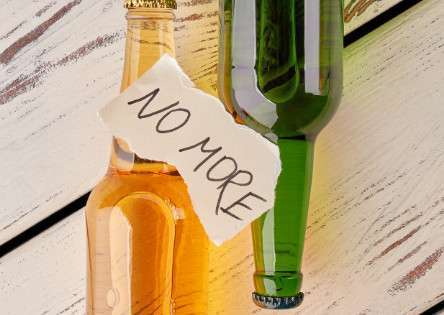
It is common to have questions or concerns when considering whether you or someone you love may have a drinking problem. When do you have to admit to yourself that you or someone you know may need help and it is time to go to an alcohol rehab ? Gaining a better understanding of both the physical and psychological signs of alcoholism, may help address many of your concerns. Alcohol use disorder (AUD) is a medical condition characterized by the inability to stop or control alcohol use despite the negative consequences. AUD is a chronic brain disorder that can progress over time if left untreated.
It can be difficult to recognise when casual drinking has crossed the line into abuse or addiction. It can be even harder to decide that it is time to do something about it. If you think you or someone you love may have an AUD, this guide will help you learn some signs to identify a possible AUD and help you to remain informed about what types of treatment are available for people with an AUD.

Signs of Alcoholism & Signs for the need of Alcohol Rehab Treatment:
Here are some characteristic signs and symptoms to be aware of when considering whether alcohol use may be problematic:

  1. You have health problems caused by alcohol abuse
    Alcohol abuse can significantly impact a person’s physical health or worsen symptoms of mental health conditions. There are several conditions that can be directly caused by chronic heavy drinking, including liver damage, heart damage, anaemia, various types of cancers, and brain and nervous system problems.
    Alcohol abuse can also cause mental health disorders such as depression, anxiety, and dementia. If you are experiencing health problems as a direct result of alcohol abuse, it may be time to consider treatment.
  2. You experience alcohol withdrawal symptoms – when not drinking
    Experiencing symptoms of withdrawal, when not drinking, is a significant sign that you may be physically dependent on alcohol. Common withdrawal symptoms include nausea, shaky hands, vomiting, headache, insomnia, and sweating.
    People who are severely addicted to alcohol may experience more dangerous symptoms, including delirium tremens (DTs). Symptoms DTs include fever, confusion, high blood pressure, and heavy sweating. If you believe you are experiencing DTs, it’s important to seek medical help immediately, as this condition can be fatal.
  3. You have injured yourself or others while intoxicated
    Alcohol can lower inhibitions and make people more likely to participate in dangerous activities like drunk driving. This is especially true for individuals who drink heavily or who cannot control their alcohol intake. The more alcohol a person consumes, the more likely he or she is to get injured or injure others.
    Multiple DUIs, injuries, or participating in other potentially dangerous situations may be a sign that you could benefit from alcohol rehab.
  4. Your work or school performance has suffered as a result of your drinking
    People who can control their drinking typically don’t experience issues with work, school, or other responsibilities as a result of alcohol consumption. However, individuals who have trouble controlling their drinking or who regularly abuse alcohol often find themselves calling in sick to work, missing school, or performing poorly. A person may even lose his or her job or get kicked out of school as a result of drinking.
  5. You regularly lie about or hide your alcohol consumption
    Hiding or lying about one’s alcohol consumption is often a key indicator that the individual is struggling with alcohol abuse. A person may drink in private or consume alcohol before meeting up with friends. Individuals with an alcohol use disorder may also lie about how much alcohol they drink or even avoid social situations where their drinking will be noticeable.
    If you find yourself lying about how much alcohol you drink or hiding your alcohol consumption, this may be an indication that you are struggling with an addiction to alcohol.
  6. You regularly blackout from drinking
    A blackout occurs as a result of drinking more alcohol than the body can handle. When a person blacks out, he or she loses the ability to form short-term memories and is unable to recall periods of time. Blacking out can be incredibly dangerous and put individuals at a heightened risk for injury. Experiencing blackouts is often a sign that a person is addicted to alcohol.
  7. You experience negative consequences as a result of your alcohol abuse
    Alcohol abuse and addiction can increase a person’s risk of experiencing a variety of negative consequences. For example, a person may have problems with friends or family or even run into issues with the legal system as a result of his or her actions while intoxicated. The more negative consequences someone experiences as a result of alcohol abuse, the more likely he or she is to benefit from alcohol rehab.
  8. You have tried to limit or quit drinking to no avail
    Many people who struggle with an alcohol use disorder have tried to limit or quit drinking on their own but are unable to do so. While this can be frustrating, it isn’t a sign of failure. Alcohol addiction is a disease and often requires professional help to manage and overcome. If you have tried and failed to quit drinking, it may be time to consider a formal alcohol rehab programme.

Getting Help For Alcohol Addiction:
If you find yourself relating to a few or many of the signs discussed above, you may benefit from an alcohol addiction rehab programme. Seeking help for an alcohol use disorder can be scary, but it’s important to know that you’re not alone
Finding the right programme for you or your loved one begins by understanding what options are available. If you need AUD treatment, there are several different types of alcohol rehab programmes at varying levels of intensity across South Africa that can help .The National Institute on Drug Abuse (NIDA) describes the following elements and settings for alcohol rehabilitation:

Detoxification: Many alcohol rehabs start with detoxification – a medically managed withdrawal from alcohol. This stage allows the body to clear itself of any alcohol. If you are admitted for inpatient detox, you will generally receive 24-hour care, staff monitoring and management of any symptoms of acute alcohol withdrawal that may present during this period.
Inpatient Primary Residential Treatment: After successful withdrawal management, you may continue on with additional rehabilitation efforts. These highly intensive 24-hour-a-day programmes offer an array of services. Treatments provided address the social and behavioural problems associated with addiction to help make the lasting changes necessary for maintaining recovery. Although the treatment may only last weeks, it is full of intensive therapeutic interventions and may sometimes be based on a modified 12-step approach. During your stay, you will engage in therapy and may participate in peer support groups such as Alcoholics Anonymous.
Outpatient Treatment: Outpatient treatment is a form of alcohol rehab that offers low-intensity daily programming opportunities for those who are either living at home, in a sober living, or in another conducive environment. Outpatient treatment is often, but not always, the least costly of these levels of care and provides flexibility to those who are working, going to school, or pursuing other educational or professional goals while receiving treatment for their AUD.

If you or a loved one needs assistance with alcoholism – know that help is readily available. The road to recovery is not always an easy one but getting yourself or your loved one the best possible care from the team at Crossroads Recovery Centre, provides you with a map to sober, healthy living. No matter how bad things seem, there is hope and it’s only a phone call away. If you or anyone close to you needs help with an addiction to sex, gambling, substances, alcohol or food, please contact us for a free assessment.

Sources

  1. National Institute on Alcohol Abuse and Alcoholism. (2020). Understanding alcohol use disorder.
  2. Diagnostic and statistical manual of mental disorders: DSM-5 (5th ed.). (2013). Washington, D.C.: American Psychiatric Association.
  3. National Institutes of Health. (n.d.). Rethinking drinking alcohol & your health: What are the risks.
  4. National Institute on Drug Abuse. (2018). Principles of drug addiction treatment: A research-based guide (third edition).
  5. Rapp, R. C., Xu, J., Carr, C. A., Lane, D. T., Wang, J., & Carlson, R. (2006). Treatment barriers identified by substance abusers assessed at a centralized intake unit. Journal of Substance Abuse Treatment, 30(3), 227-35.
  6. National Institute on Alcohol Abuse and Alcoholism. (2017). Strategic plan 2017-2021 goal 4: Develop and improve treatment for alcohol misuse, alcohol use disorder, co-occurring conditions, and alcohol-related consequences.

No Obligation Addiction Assessment

Book a No Obligation Confidential Assessment at your nearest Treatment Centre Today.

Johannesburg Admissions: +27 74 895 1043
Pretoria Admissions: +27 82 653 3311
Close

Stories of Recovery

  • The encouragement, love and support from the team at Crossroads allowed me to eventually see that I was worth something - that my life could be turned around and that I could accomplish the things that had long been a forgotten dream.
    Oliver VG
    Read more
  • On the last day of my stint at Crossroads I could only express gratitude towards all who works there. A wise councillor once commented on my question when one is ready for rehab by explaining that when one is ready for rehab, rehab is ready for you.
    Johan B
    Read more
  • I was lost and my soul was broken until I ended up at Crossroads and was introduced to the Twelve Steps. With the help of their excellent staff and amazing support I have recently been clean for 18 months, I could not have done it without them!
    Carla S
    Read more
  • "Just for today I am more than three years in recovery. I have Cross Roads to thank for this wonderful gift. Cross Roads helped me to set a firm foundation in my recovery on which I can continue to build."
    Angelique J
    Read more
Left Arrow Right Arrow

Approved Medical Aids

Bestmed LogoBonitas LogoCAMAF LogoDiscovery Health LogoFedhealth LogoGovernment Employees Medical SchemeLiberty CorporateMedihelp Medical Scheme

Gambling Addiction-The House Always Wins

Reach out now, we can help
Home / Posts tagged "gauteng rehab" (Page 4)

Gambling Addiction-The House Always Wins

09 July, 2021Articles, News

Gambling addiction is often misunderstood as it manifests itself in ways that are slightly uncommon to the more conventional addictions such as substance abuse or alcohol use. A lot of gamblers are often not aware of the fact that they suffer from an addiction and as a result, many are misdiagnosed and often mistreated. A common assumption is that those who suffer from a gambling addiction are depressed and act out on it by gambling and pursuing high-risk lifestyles and activities. This assumption has the potential to create a stigmatic attitude of self-disgust and disappointment, which many who eventually find themselves in addiction treatment centres for gambling- bring into treatment with them. This stigma often presents additional difficulties as it flares up during the treatment process and is sometimes used by the addict as a justification for their behaviour.

Gambling addicts have difficulties in setting clear priorities and goals as they are preoccupied by their addiction. Their ability to be responsible and accountable has been degraded. Externally, gamblers seem much more stable than most other addicts for whom the physical effects of their addiction are manifest. Chronic disregard becomes common place amongst these individuals as they continuously place their indulgence before the welfare of themselves and their loved ones.

Another characteristic of the gambling addict is an over-reliance on money, financial success and control to establish a sense of self-worth. If probed further than the most superficial symptoms of their
addiction, one sometimes finds that gambling addicts live very ordinary lives until they are introduced to the power of money for the first time. These individuals often go from being resigned to a mundane life to frequently indulging in high-risk behaviour.

On a psychic level, these individuals seem to be chasing an unending sense of purpose, confidence and security, which they feel when they have money. Thus to the gambler- money is often both the means and the ends. This all too natural drive for financial and material security is warped by their minds as their disease progresses. Sooner or later, in the life of a gambler, high-stake decision-making becomes the norm as gambling takes precedence in their lives. Money is the key to life for a gambler in the same way as heroin is to the heroin addict. It is important to understand how this form of addiction manifests itself in order for treatment to be effective. It often requires extraordinary measures to get gamblers to commit to their treatment and recovery.

The gambling addicts’ belief that their self-worth is related to their material wealth, needs to be addressed in their treatment programme, as does their impulsive thinking. They need to be held accountable for their behaviour and take responsibility for their consequences. This encourages them to take charge of their lives and often when approached in this manner, they begin to become less reliant on money to make decisions and become more conscious and aware of how they spend their time and energy.

Similar to Alcoholics Anonymous, there is a peer-supported network for gamblers – Gamblers Anonymous. These groups help to establish a sense of belonging in these individuals and encourage them to pursue full measures of accountability and responsibility in their lives. Dishonesty is commonplace amongst gambling addicts and they develop thick skins in order to avoid experiencing the disappointment associated with their actions in addiction. To address this, it is necessary to be assertive with the gambling addict. Various goal-setting as well as self-esteem building activities, are also necessary in order to establish a healthy sense of self-worth. This, coupled with the ability of the 12 steps to help an individual identify the root causes of their behaviour, makes it possible to effectively help these individuals recover from their addition to gambling.

If you or a loved one needs assistance with an addiction to gambling – know that help is readily available. The road to recovery is not always an easy one but getting yourself or your loved one the best possible care from the team at Crossroads Recovery Centre, provides you with a map to sober, healthy living. No matter how bad things seem, there is hope and it’s only a phone call away. If you or anyone close to you needs help with an addiction to sex, gambling, substances, alcohol or food, please contact us for a free assessment.

No Obligation Addiction Assessment

Book a No Obligation Confidential Assessment at your nearest Treatment Centre Today.

Johannesburg Admissions: +27 74 895 1043
Pretoria Admissions: +27 82 653 3311
Close

Stories of Recovery

  • The encouragement, love and support from the team at Crossroads allowed me to eventually see that I was worth something - that my life could be turned around and that I could accomplish the things that had long been a forgotten dream.
    Oliver VG
    Read more
  • On the last day of my stint at Crossroads I could only express gratitude towards all who works there. A wise councillor once commented on my question when one is ready for rehab by explaining that when one is ready for rehab, rehab is ready for you.
    Johan B
    Read more
  • I was lost and my soul was broken until I ended up at Crossroads and was introduced to the Twelve Steps. With the help of their excellent staff and amazing support I have recently been clean for 18 months, I could not have done it without them!
    Carla S
    Read more
  • "Just for today I am more than three years in recovery. I have Cross Roads to thank for this wonderful gift. Cross Roads helped me to set a firm foundation in my recovery on which I can continue to build."
    Angelique J
    Read more
Left Arrow Right Arrow

Approved Medical Aids

Bestmed LogoBonitas LogoCAMAF LogoDiscovery Health LogoFedhealth LogoGovernment Employees Medical SchemeLiberty CorporateMedihelp Medical Scheme

The Dangerous Side-Effects of Tik

Reach out now, we can help
Home / Posts tagged "gauteng rehab" (Page 4)

The Dangerous Side-Effects of Tik

07 July, 2021Articles, News

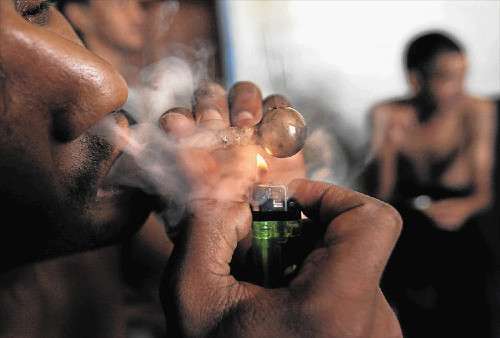
Tik or, crystal methamphetamine is a synthetic psychostimulant, it can be injected, snorted or smoked. It is commonly referred to as Tik, Crystal, Ice and Glass. This is because it resembles glass/crystal shards. The name “tik” came from the sound the crystal meth makes as it heats up. Tik is classed as a stimulant, it boosts mood, increases alertness, and energy, offering a feeling of euphoria. Crystal meth has become a popular “party drug”, but because of its low cost and intense high it creates dependence which leads to serious addiction issues.

Take the First Step Towards Recovery

Need help navigating co-occurring disorders? Reach out to our Pretoria Centre for specialised treatment and support.

Reach Out for Help and Support

Scientists first began developing amphetamine-type stimulants, similar to tik, as early as 1885 when a Japanese chemist studying in Germany, managed to isolate and characterise the active ingredient in the Ephedra plant as ephedrine. Ephedra has been used for thousands of years in traditional Chinese medicine primarily to treat asthma, bronchitis, and hay fever. Methamphetamine remained difficult to reproduce until 1919, when another Japanese chemist, Akira Ogata, streamlined the process by adding phosphorus and iodine to reduce the ephedrine into a crystallized form, thereby creating the world’s first crystal meth.

It is a potent and highly addictive drug that acts on the central nervous system, where it causes the release of dopamine, a substance which acts as a stimulant and euphoric drug. Pharmaceutical methamphetamine is still available legally but it is only rarely prescribed to treat narcolepsy, attention deficit, hyper activity disorder (ADHD) and severe obesity. Meth is readily available and its use has spread rapidly across South Africa, especially in the Western Cape, where it is made in illicit laboratories using inexpensive over-the-counter ingredients. Recent research reported that 42% of drug users within the Western Cape used crystal meth as their primary, or preferred drug, with a high prevalence use amongst adolescents.

The physical effects of crystal meth are;

  • Loss of appetite resulting in weight loss
  • Dilated pupils
  • Hyperactivity
  • Accelerated heartbeat
  • Anxiety
  • Depression
  • Sweating
  • Twitching
  • Constipation
  • Rapid breathing
  • Teeth grinding
  • Twitching
  • Numbness
  • Acne
  • Dry skin
  • Pale appearance
  • Long term users often suffer with sores on the face and what is termed “meth mouth”. Poor dental hygiene, dry mouth and teeth grinding result in accelerated tooth decay and loos of teeth.

Overdose can occur with any quantity of drug used, and the user is always at risk. An overdose wil result in seizures, an increase in body temperature, respiratory failure, coma, and/or death.

The psychological effects of tik/crystal meth can be severe and long lasting, some of these effects are:

  • Repetitive obsessive behaviour and repetitive non-goal driven activity
  • Irritability
  • Over confidence
  • Insomnia
  • Aggression
  • Restlessness
  • Magnetic resonance studies conducted on users of tik have shown evidence of neurodegeneration
  • Paranoia

Sustained use of the drug affects the production of the neurotransmitter dopamine in the brain. Dopamine is responsible for feelings of pleasure. Long-term meth use can cause a decrease in the number of dopamine receptors in the brain, making it difficult for the individual to experience pleasure (a condition known as anhedonia) as well as reduced levels of motivation. It is thus recommended that withdrawal from the drug be conducted under the care of trained medical professionals together with experienced, trained, addiction counsellors.

If you or a loved one need assistance with an addiction to crystal meth – know that help is readily available. The road to recovery is not always an easy one but getting yourself or your loved one the best care from the team at Crossroads Recovery Centre, provides you with a map to sober, healthy living. No matter how bad things seem, there is hope and it is a phone call away. If you or anyone close to you needs help with an addiction to sex,  gambling,  substances,  alcohol or food, please contact us for a free assessment.

FAQs and Answers

1. What is Tik and why is it dangerous?
Tik, also known as crystal methamphetamine, is a powerful stimulant that creates a temporary sense of euphoria. It is dangerous because it is highly addictive and can cause severe physical and psychological harm.

2. How is Tik usually consumed?
Tik can be smoked, snorted, or injected. Smoking is the most common method, particularly in South Africa, due to its fast-acting and intense effects.

3. What are the short term effects of Tik use?
Short term effects include rapid heartbeat, dilated pupils, increased energy, restlessness, anxiety, loss of appetite, and a temporary feeling of euphoria.

4. What are the long term physical effects of Tik?
Long term use often leads to weight loss, skin problems, severe dental issues known as meth mouth, and sores on the face. Chronic use can cause serious health complications.

5. Can Tik use affect mental health?
Yes, Tik has severe psychological effects including paranoia, aggression, irritability, insomnia, depression, and long lasting damage to brain function.

6. What happens when someone overdoses on Tik?
An overdose can cause seizures, dangerously high body temperature, respiratory failure, coma, or even death. Any amount of Tik use carries a risk of overdose.

7. Is it possible to recover from Tik addiction?
Yes, recovery is possible with professional treatment and support. Medical detox, counselling, and rehabilitation programmes can help individuals regain control of their lives.

8. Where can someone get help for Tik addiction in South Africa?
Treatment and recovery support are available at centres such as Crossroads Recovery Centre in Johannesburg and Pretoria. Professional help is crucial for safe withdrawal and long term recovery.

No Obligation Addiction Assessment

Book a No Obligation Confidential Assessment at your nearest Treatment Centre Today.

Johannesburg Admissions: +27 74 895 1043
Pretoria Admissions: +27 82 653 3311
Close

Stories of Recovery

  • The encouragement, love and support from the team at Crossroads allowed me to eventually see that I was worth something - that my life could be turned around and that I could accomplish the things that had long been a forgotten dream.
    Oliver VG
    Read more
  • On the last day of my stint at Crossroads I could only express gratitude towards all who works there. A wise councillor once commented on my question when one is ready for rehab by explaining that when one is ready for rehab, rehab is ready for you.
    Johan B
    Read more
  • I was lost and my soul was broken until I ended up at Crossroads and was introduced to the Twelve Steps. With the help of their excellent staff and amazing support I have recently been clean for 18 months, I could not have done it without them!
    Carla S
    Read more
  • "Just for today I am more than three years in recovery. I have Cross Roads to thank for this wonderful gift. Cross Roads helped me to set a firm foundation in my recovery on which I can continue to build."
    Angelique J
    Read more
Left Arrow Right Arrow

Approved Medical Aids

Bestmed LogoBonitas LogoCAMAF LogoDiscovery Health LogoFedhealth LogoGovernment Employees Medical SchemeLiberty CorporateMedihelp Medical Scheme

What is “Wet Brain” ?

Reach out now, we can help
Home / Posts tagged "gauteng rehab" (Page 4)

What is “Wet Brain” ?

02 July, 2021Articles, News

Wernicke-Korsakoff syndrome (WKS), is commonly referred to as “wet brain”. It is a form of brain damage that results from repeated and severe exposure to alcohol. It is progressive and occurs in two phases.

The first phase which is known as Wernicke’s encephalopathy, is a temporary condition that is expressed as confusion, loss of muscular coordination, abnormal eye movements and changes in vision.
The second phase is characterised by psychosis, an inability to think and rationalise as well as a lack of personal care and an inability to successfully complete daily tasks. This phase is persistent and chronic.

Common symptoms of wet brain include:

  • Loss of muscular coordination
  • Low body tempreture
  • Abnormal eye movements
  • Fatigue
  • Weakness and muscle atrophy
  • Vision changes, such as double vision
  • Memory loss and mental confusion
  • Changes in behaviour
  • Dishonesty, lies, struggling to keep stories straight, as well as fabricating events
  • Hallucinations

Wet brain is a serious condition of the brain, and can lead to a loss of consciousness, coma, or even death. Though the people afflicted with this illness can die as a direct result of it, malnutrition, accidents and an inability to recognise danger or care for themselves as a result of the condition may also prove fatal.
It is important not to confuse the symptoms of alcohol withdrawal with wet brain. Symptoms of withdrawal include:

  • Tremors
  • Sweating
  • Seizures

Wet brain is caused by a deficiency of vitamin B1, also known as thiamine. This is a common complication that can be caused by nutritional poverty, or much more commonly- prolonged heavy drinking. Thiamine deficiency can lead to brain damage, heart damage as well as nerve damage. Though alcohol consumption isn’t inherently destructive, the effects of persistent long-term abuse can have serious health complications. This can be the cause of daily drinking or binge drinking, it is not one or the other that is particularly dangerous but rather overall volume.

It has been theorised that some people may have a genetic pre-disposition to developing wet brain. If a family member has developed the condition it may be a good idea to cut alcohol consumption or stop it completely. There is also substantial evidence that suggests that alcoholism may also be genetic, those with an alcoholic family member may be more predisposed to problem drinking.


Whether or not wet brain can be effectively treated is entirely dependent on how far the disease has progressed. When treated promptly, the individual can see improvements in cognition as well as muscle functioning and orientation. Treatment is done through supplementing thiamine intravenously and/or orally. The most imperative course of action is that alcohol consumption stops.

In order to diagnose wet brain a medical professional should be consulted. An ECG, CT scan or an MRI may be needed to confirm a diagnosis, as well as to determine the best course of medical treatment going forwards. It is however imperative to seek treatment for alcoholism – the underlying cause. Should a person with wet brain continue to drink, the degradation of the structures within the brain will persist. With the mental decline that occurs with wet brain, it is important to remember that the ill person may not be in the best position to determine their own course of treatment. Contact us, for a free assessment to see what the best course of action may be in assisting your loved one. The road to recovery is not always an easy one but getting yourself or your loved one the best care from the team at Crossroads Recovery Centre, provides you with a map to sober, healthy living. No matter how bad things seem, there is hope and it is a phone call away. If you or anyone close to you needs help with an addiction to sex,  gambling,  substances,  alcohol or food, please contact us.

www.crossroadsrecovery.co.za

074 89 51043 JHB

012 450 5033 PTA

No Obligation Addiction Assessment

Book a No Obligation Confidential Assessment at your nearest Treatment Centre Today.

Johannesburg Admissions: +27 74 895 1043
Pretoria Admissions: +27 82 653 3311
Close

Stories of Recovery

  • The encouragement, love and support from the team at Crossroads allowed me to eventually see that I was worth something - that my life could be turned around and that I could accomplish the things that had long been a forgotten dream.
    Oliver VG
    Read more
  • On the last day of my stint at Crossroads I could only express gratitude towards all who works there. A wise councillor once commented on my question when one is ready for rehab by explaining that when one is ready for rehab, rehab is ready for you.
    Johan B
    Read more
  • I was lost and my soul was broken until I ended up at Crossroads and was introduced to the Twelve Steps. With the help of their excellent staff and amazing support I have recently been clean for 18 months, I could not have done it without them!
    Carla S
    Read more
  • "Just for today I am more than three years in recovery. I have Cross Roads to thank for this wonderful gift. Cross Roads helped me to set a firm foundation in my recovery on which I can continue to build."
    Angelique J
    Read more
Left Arrow Right Arrow

Approved Medical Aids
Bestmed LogoBonitas LogoCAMAF LogoDiscovery Health LogoFedhealth LogoGovernment Employees Medical SchemeLiberty CorporateMedihelp Medical Scheme
add_action('wp_footer', function() { ?>