Gambling Rehab – when a game is no longer a game.

Reach out now, we can help
Home / Posts tagged "12 Steps" (Page 5)

Gambling Rehab – when a game is no longer a game.

20 August, 2021Articles, News

Compulsive gambling has been recognised as a definable behavioural disorder. It is a serious condition that can destroy lives. Although treating compulsive gambling can be challenging, many people who struggle with compulsive gambling have found help through professional treatment, mostly in an inpatient gambling rehab setting.

As gambling addiction has become recognised as a behavioural problem, and its prevalence has grown, so rehabs have introduced programmes to deal with this process addiction using similar approaches to handling any other addiction.

What is a gambling disorder?

“Unlike most casual gamblers who stop when losing or set a loss limit, people with a compulsive gambling problem are compelled to keep playing to recover their money — a pattern that becomes increasingly destructive over time”- Mayo Clinic.

A “compulsive, or pathological, problem gambler” are terms that have been used to describe an individual who is unable to manage or stop or control his or her impulses in terms of gambling. Gambling disorders can lead to serious emotional, financial, relationship and other social consequences if there is no intervention to arrest the problem.

Gambling can stimulate the brain’s reward system much like drugs or alcohol and this turns into addiction. If you have a problem with compulsive gambling, you may continually want to persist with the behaviour regardless of the outcome. Gamblers often take bets that lead to losses, hide their behaviour, deplete savings, accumulate debt, or even resort to theft or fraud to support their addiction.

It is apparent that people who suffer severely from the disorder are unable to stop by using their usual coping mechanisms and need the help of a certified and registered gambling rehab.

How do you know that you may have a problem with gambling disorder?
According to specialists in this area from the Mayo Clinic , if the following apply to you, you could be suffering from a gambling disorder and may need to consider entering a gambling rehab.

  • Being preoccupied with gambling, such as constantly planning how to get more money to gamble
  • Needing to gamble with increasing amounts of money to get the same thrill
  • Trying to control, cut back or stop gambling, without success
  • Feeling restless or irritable when you try to cut down on gambling
  • Gambling to escape problems or relieve feelings of helplessness, guilt, anxiety or depression
  • Trying to get back lost money by gambling more (chasing losses)
  • Lying to family members or others to hide the extent of your gambling
  • Jeopardizing or losing important relationships, a job, or school or work opportunities because of gambling
  • Resorting to theft or fraud to get gambling money
  • Asking others to bail you out of financial trouble because you gambled money away


Compulsive gambling addiction is not related to morality or values issues- it is fraught with complex motivations and often related to trauma of some sort. It is also very much a systemic family disorder, or rather its consequences almost always impact the family system of the gambler. Compulsive gambling can have many consequences on financial resources and interpersonal relationships. Often the gambler is rejected by the people that he or she has hurt as a result of the behaviour and it becomes increasingly difficult for the person to find the support, they need in order to recover in the family context. Hence the need for a focussed gambling rehabilitation.

Gambling addiction requires a specialised, customised and holistic approach as the issues are specific and the risks of later relapse are just as high as any other form of addiction. Bearing this in mind there is a distinct focus on family dynamics during the treatment process.

It is often accompanied by cross addiction such as alcoholism, drug addiction or sex addiction.

The treatment modalities include :

  • Behaviour therapy or cognitive behavioural therapy may be helpful in the treatment of this disorder. “Cognitive behavioural therapy focuses on identifying unhealthy, irrational and negative beliefs and replacing them with healthy, positive ones.”
  • Medications. Antidepressants and mood stabilizers may help problems that often go along with compulsive gambling — such as depression, OCD or ADHD.
  • Self-help groups. Some people find that talking with others who have a gambling problem may be a helpful part of treatment. Self-help groups, such as Gamblers Anonymous and other resources.
  • Lastly, and in many cases the most appropriate, is a 12-step oriented in-house treatment process.

Treatment approach often depends on the severity of the disorder.

Crossroads Recovery Centre has specialist staff and programmes that help to deal with these complex issues. Our process is a 12-step programme which is specifically focused on the problem of gambling. Family support is also an integral part of the treatment and Crossroads runs a family support group every second week to help the family members and loved ones going through the process.

Treatment for compulsive gambling may involve an outpatient programme or inpatient programme in a gambling rehab, depending on the severity needs and resources available. Treatment for substance abuse, depression, anxiety or any other mental health disorder may be part of your treatment plan for compulsive gambling.

If you or a loved one needs assistance with an addiction to gambling – know that help is readily available. The road to recovery is not always an easy one but getting yourself or your loved one the best possible care from the team at Crossroads Recovery Centre, provides you with a map to sober, healthy living. No matter how bad things seem, there is hope and it’s only a phone call away. If you or anyone close to you needs help with an addiction to sex, gambling, substances, alcohol or food, please contact us for a free assessment.

No Obligation Addiction Assessment

Book a No Obligation Confidential Assessment at your nearest Treatment Centre Today.

Johannesburg Admissions: +27 74 895 1043
Pretoria Admissions: +27 82 653 3311
Close

Stories of Recovery

  • The encouragement, love and support from the team at Crossroads allowed me to eventually see that I was worth something - that my life could be turned around and that I could accomplish the things that had long been a forgotten dream.
    Oliver VG
    Read more
  • On the last day of my stint at Crossroads I could only express gratitude towards all who works there. A wise councillor once commented on my question when one is ready for rehab by explaining that when one is ready for rehab, rehab is ready for you.
    Johan B
    Read more
  • I was lost and my soul was broken until I ended up at Crossroads and was introduced to the Twelve Steps. With the help of their excellent staff and amazing support I have recently been clean for 18 months, I could not have done it without them!
    Carla S
    Read more
  • "Just for today I am more than three years in recovery. I have Cross Roads to thank for this wonderful gift. Cross Roads helped me to set a firm foundation in my recovery on which I can continue to build."
    Angelique J
    Read more
Left Arrow Right Arrow

Approved Medical Aids

Bestmed LogoBonitas LogoCAMAF LogoDiscovery Health LogoFedhealth LogoGovernment Employees Medical SchemeLiberty CorporateMedihelp Medical Scheme

Cross Addiction in Recovery

Reach out now, we can help
Home / Posts tagged "12 Steps" (Page 5)

Cross Addiction in Recovery

30 July, 2021Articles, News

Cross addiction is when two addictions (behavioural or substances) occur in one individual, or when a person who is in recovery from one addiction, acts out with a different substance or behaviour. The theory of cross addiction though, is not yet scientifically proven. The evidence is more anecdotal, or confined to small studies. The movie, Thanks for Sharing, gives an indication of how addicts in recovery, struggle with more than one addictive substance or behaviour.

Addiction based on behaviour rather than a specific substance may manifest in a variety of forms. The five most common forms of addiction are drugs, alcohol, sex, food and gambling, although new recognised forms of addictions include social media, co-dependency and compulsive behavior such as exercise or spending. There are many different 12-step meetings and support groups for different types of addiction and these may be valuable assets to any persons recovery.

Misconceptions around different types of Addiction

There are a great many misconceptions around addiction. For example, when someone comes into treatment, there may be denial about the fact that they may be able to still do certain things or substances because they are only in treatment for one substance. Here are some examples: ‘I only drink, I can still take prescription medication.’ ‘My problem is only drugs, and I can still drink, right?’ ‘I’m only an alcoholic, I’m not nearly as bad as other people.’ These are common sayings amongst inpatients. Anything that is mind or mood altering may fill a void. It is important for someone undergoing treatment to work on the root cause of their behavior before they can fix the actual addiction.

How to manage Cross Addiction?

12-Step treatment can be a great way to manage and/or prevent cross-addiction from occurring. Appropriate therapy can allow individuals to work on themselves, as well as their behaviour, which could allow them to find a balance within themselves and their lives.

Addressing the addiction through integrated treatment is usually the most effective way of treating cross addiction. It is also important to reduce triggers such as dangerous people, places and things and work on the behaviour through CBT therapy. This allows for thought patterns and emotions that contribute substantially towards substance abuse and destructive behaviour, to be managed and slowly changed over time .

If you or a loved one needs assistance with addiction – know that help is readily available. The road to recovery is not always an easy one but getting yourself or your loved one the best possible care from the team at Crossroads Recovery Centre, provides you with a map to sober, healthy living. No matter how bad things seem, there is hope and it is only a phone call away. If you or anyone close to you needs help with an addiction to sex, gambling, substances, alcohol or food, please contact us for a free assessment

www.crossroadsrecovery.co.za

074 89 51043 JHB

012 450 5033 PTA

-Dominique Le Claire Rossouw

No Obligation Addiction Assessment

Book a No Obligation Confidential Assessment at your nearest Treatment Centre Today.

Johannesburg Admissions: +27 74 895 1043
Pretoria Admissions: +27 82 653 3311
Close

Stories of Recovery

  • The encouragement, love and support from the team at Crossroads allowed me to eventually see that I was worth something - that my life could be turned around and that I could accomplish the things that had long been a forgotten dream.
    Oliver VG
    Read more
  • On the last day of my stint at Crossroads I could only express gratitude towards all who works there. A wise councillor once commented on my question when one is ready for rehab by explaining that when one is ready for rehab, rehab is ready for you.
    Johan B
    Read more
  • I was lost and my soul was broken until I ended up at Crossroads and was introduced to the Twelve Steps. With the help of their excellent staff and amazing support I have recently been clean for 18 months, I could not have done it without them!
    Carla S
    Read more
  • "Just for today I am more than three years in recovery. I have Cross Roads to thank for this wonderful gift. Cross Roads helped me to set a firm foundation in my recovery on which I can continue to build."
    Angelique J
    Read more
Left Arrow Right Arrow

Approved Medical Aids

Bestmed LogoBonitas LogoCAMAF LogoDiscovery Health LogoFedhealth LogoGovernment Employees Medical SchemeLiberty CorporateMedihelp Medical Scheme

Outpatient Programme

Reach out now, we can help
Home / Posts tagged "12 Steps" (Page 5)

Outpatient Programme

23 July, 2021Articles, News

Crossroads Recovery Centre, Johannesburg is excited to announce that we now have an outpatient programme. Deciding on whether to enter an inpatient rehab facility or to rather seek outpatient care is an important step towards recovering from an addiction. Not everyone is able to commit to, nor afford inpatient (primary care) treatment. While equally focused on rehabilitation, each type has unique attributes and benefits to offer.

Primary care offers intensive, full-time residential treatment where the client commits to living with us for the duration of their treatment. Our outpatient programme is a part-time initiative, allowing the recovering addict to keep going to work or college during the day. This is an important advantage as it allows the person to maintain the ability to support their family whilst also focusing on recovering from their addiction. The hands-on medical care and extensive therapy available to our inpatients increases the cost of treatment. However, the price difference should not discourage anyone from choosing the best possible treatment route for themselves. Our outpatient programme can be very beneficial for addicts who are serious about their recovery.

The outpatient initiative begins with an intake assessment and if needed, a visit to our physician. Mild detox cases may be handled through the programme. It runs for 28 days, Mondays to Fridays, from 17:00 until 19:00 with a short break in between. Groups and lectures are held at the Valley Centre, Jan Smuts Avenue in Craighall Park, Johannesburg. Clients are expected to attend every evening and to be punctual for all classes. The cost of the programme is R12 000.00. Lectures and groups include topics such as:

  • the disease of addiction,
  • 12-step recovery,
  • the neurobiology of addiction,
  • boundaries,
  • childhood trauma,
  • abuse,
  • loss,
  • coping skills,
  • living sober and developing new support systems whilst sober
  • co-dependency

One-on-one therapy sessions are held fortnightly via Zoom. Additional individual sessions may be scheduled.

Clients are expected to commit to certain principles whilst they attend the programme:

Should they relapse during the 28 day period, clients may be suspended from the programme for a minimum of 72 hours.

Similar to our inpatient programme, the outpatient programme also establishes an individual treatment plan for each new client which includes measurable milestones to indicate their progress. Some recovering addicts also turn to outpatient treatment after completing our inpatient programme as part of their continued recovery. This affords them access to their support systems- being able to live at home and be amongst their loved ones while still undergoing treatment. Having a reliable support system available to you is very important when undergoing rehabilitation from any form of addiction. Although cheaper and shorter, the outpatient programme has the ability to achieve similar positive outcomes to any inpatient programme.

If you or a loved one needs assistance with addiction – know that help is readily available. The road to recovery is not always an easy one but getting yourself or your loved one the best possible care from the team at Crossroads Recovery Centre, provides you with a map to sober, healthy living. No matter how bad things seem, there is hope and it’s only a phone call away. If you or anyone close to you needs help with an addiction to sex,  gambling,  substances, alcohol or food, please contact us for a free assessment.

www.crossroadsrecovery.co.za

074 895 1043 JHB

Resources :

https://www.addictioncenter.com/treatment/inpatient-outpatient-rehab/

No Obligation Addiction Assessment

Book a No Obligation Confidential Assessment at your nearest Treatment Centre Today.

Johannesburg Admissions: +27 74 895 1043
Pretoria Admissions: +27 82 653 3311
Close

Stories of Recovery

  • The encouragement, love and support from the team at Crossroads allowed me to eventually see that I was worth something - that my life could be turned around and that I could accomplish the things that had long been a forgotten dream.
    Oliver VG
    Read more
  • On the last day of my stint at Crossroads I could only express gratitude towards all who works there. A wise councillor once commented on my question when one is ready for rehab by explaining that when one is ready for rehab, rehab is ready for you.
    Johan B
    Read more
  • I was lost and my soul was broken until I ended up at Crossroads and was introduced to the Twelve Steps. With the help of their excellent staff and amazing support I have recently been clean for 18 months, I could not have done it without them!
    Carla S
    Read more
  • "Just for today I am more than three years in recovery. I have Cross Roads to thank for this wonderful gift. Cross Roads helped me to set a firm foundation in my recovery on which I can continue to build."
    Angelique J
    Read more
Left Arrow Right Arrow

Approved Medical Aids

Bestmed LogoBonitas LogoCAMAF LogoDiscovery Health LogoFedhealth LogoGovernment Employees Medical SchemeLiberty CorporateMedihelp Medical Scheme

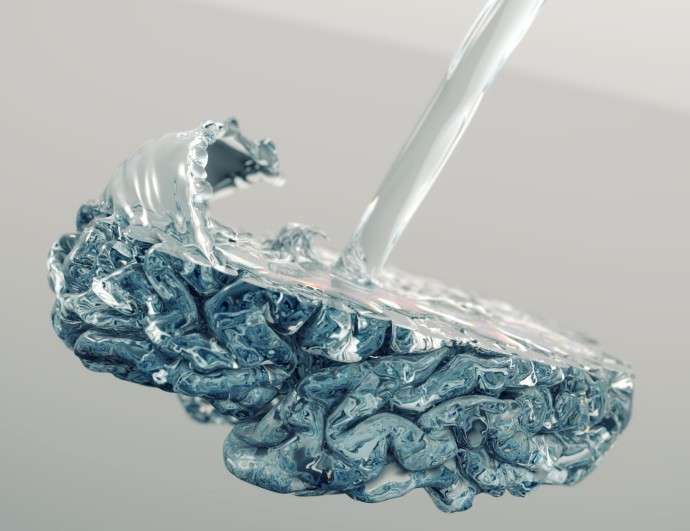
What is “Wet Brain” ?

Reach out now, we can help
Home / Posts tagged "12 Steps" (Page 5)

What is “Wet Brain” ?

02 July, 2021Articles, News

Wernicke-Korsakoff syndrome (WKS), is commonly referred to as “wet brain”. It is a form of brain damage that results from repeated and severe exposure to alcohol. It is progressive and occurs in two phases.

The first phase which is known as Wernicke’s encephalopathy, is a temporary condition that is expressed as confusion, loss of muscular coordination, abnormal eye movements and changes in vision.
The second phase is characterised by psychosis, an inability to think and rationalise as well as a lack of personal care and an inability to successfully complete daily tasks. This phase is persistent and chronic.

Common symptoms of wet brain include:

  • Loss of muscular coordination
  • Low body tempreture
  • Abnormal eye movements
  • Fatigue
  • Weakness and muscle atrophy
  • Vision changes, such as double vision
  • Memory loss and mental confusion
  • Changes in behaviour
  • Dishonesty, lies, struggling to keep stories straight, as well as fabricating events
  • Hallucinations

Wet brain is a serious condition of the brain, and can lead to a loss of consciousness, coma, or even death. Though the people afflicted with this illness can die as a direct result of it, malnutrition, accidents and an inability to recognise danger or care for themselves as a result of the condition may also prove fatal.
It is important not to confuse the symptoms of alcohol withdrawal with wet brain. Symptoms of withdrawal include:

  • Tremors
  • Sweating
  • Seizures

Wet brain is caused by a deficiency of vitamin B1, also known as thiamine. This is a common complication that can be caused by nutritional poverty, or much more commonly- prolonged heavy drinking. Thiamine deficiency can lead to brain damage, heart damage as well as nerve damage. Though alcohol consumption isn’t inherently destructive, the effects of persistent long-term abuse can have serious health complications. This can be the cause of daily drinking or binge drinking, it is not one or the other that is particularly dangerous but rather overall volume.

It has been theorised that some people may have a genetic pre-disposition to developing wet brain. If a family member has developed the condition it may be a good idea to cut alcohol consumption or stop it completely. There is also substantial evidence that suggests that alcoholism may also be genetic, those with an alcoholic family member may be more predisposed to problem drinking.


Whether or not wet brain can be effectively treated is entirely dependent on how far the disease has progressed. When treated promptly, the individual can see improvements in cognition as well as muscle functioning and orientation. Treatment is done through supplementing thiamine intravenously and/or orally. The most imperative course of action is that alcohol consumption stops.

In order to diagnose wet brain a medical professional should be consulted. An ECG, CT scan or an MRI may be needed to confirm a diagnosis, as well as to determine the best course of medical treatment going forwards. It is however imperative to seek treatment for alcoholism – the underlying cause. Should a person with wet brain continue to drink, the degradation of the structures within the brain will persist. With the mental decline that occurs with wet brain, it is important to remember that the ill person may not be in the best position to determine their own course of treatment. Contact us, for a free assessment to see what the best course of action may be in assisting your loved one. The road to recovery is not always an easy one but getting yourself or your loved one the best care from the team at Crossroads Recovery Centre, provides you with a map to sober, healthy living. No matter how bad things seem, there is hope and it is a phone call away. If you or anyone close to you needs help with an addiction to sex,  gambling,  substances,  alcohol or food, please contact us.

www.crossroadsrecovery.co.za

074 89 51043 JHB

012 450 5033 PTA

No Obligation Addiction Assessment

Book a No Obligation Confidential Assessment at your nearest Treatment Centre Today.

Johannesburg Admissions: +27 74 895 1043
Pretoria Admissions: +27 82 653 3311
Close

Stories of Recovery

  • The encouragement, love and support from the team at Crossroads allowed me to eventually see that I was worth something - that my life could be turned around and that I could accomplish the things that had long been a forgotten dream.
    Oliver VG
    Read more
  • On the last day of my stint at Crossroads I could only express gratitude towards all who works there. A wise councillor once commented on my question when one is ready for rehab by explaining that when one is ready for rehab, rehab is ready for you.
    Johan B
    Read more
  • I was lost and my soul was broken until I ended up at Crossroads and was introduced to the Twelve Steps. With the help of their excellent staff and amazing support I have recently been clean for 18 months, I could not have done it without them!
    Carla S
    Read more
  • "Just for today I am more than three years in recovery. I have Cross Roads to thank for this wonderful gift. Cross Roads helped me to set a firm foundation in my recovery on which I can continue to build."
    Angelique J
    Read more
Left Arrow Right Arrow

Approved Medical Aids

Bestmed LogoBonitas LogoCAMAF LogoDiscovery Health LogoFedhealth LogoGovernment Employees Medical SchemeLiberty CorporateMedihelp Medical Scheme
add_action('wp_footer', function() { ?>