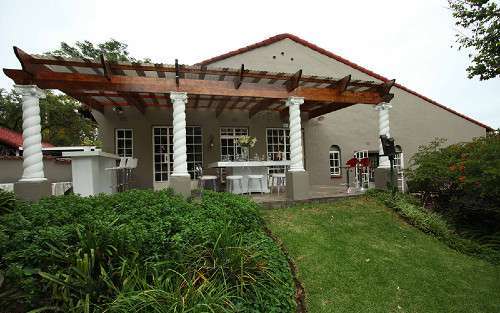
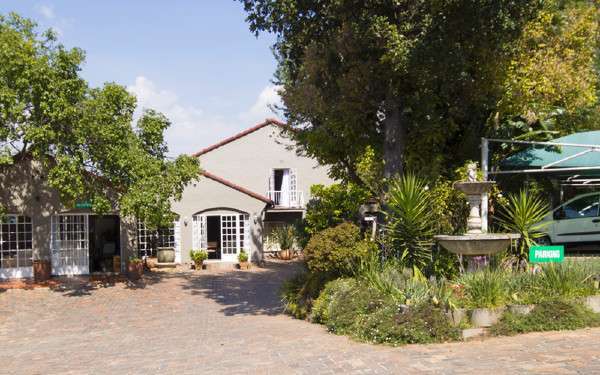
There are a number of rehabilitation centres in Johannesburg, each with their own model of how to treat addiction. At Crossroads Recovery Centres, we take a number of approaches to treatment, including group therapy, individual counselling, peer support programmes and goal-setting groups. However, what sets Crossroads Recovery Centre apart as one of the best rehabilitation centres in Johannesburg, is the application of the 12 steps as the foundation of recovery.
During the treatment process, clients will be introduced to the 12-step programme that coincides with their particular addiction. These 12-step fellowships host a number of meetings throughout the city, some of which include meetings for drug addicts, meetings for alcoholics, meetings for co-dependents and meetings for sex and love addicts. The 12 steps is a tried and tested method of recovery that subscribes to the disease model of addiction. An introduction to the 12 steps is one of the critical tools needed to live a life free from addiction. Why? Because it helps the addict or alcoholic to build an invaluable support network before they leave treatment. This support network for many, is indispensable.
Group therapy takes many different forms, For example, at Crossroads Recovery Centres, therapists host a number of different groups that focus on different issues. Process groups for example, are facilitated by an addictions counsellor. They are spaces within which addicts can become vulnerable and share their story with peers who relate completely to what they are going through. There are also spiritual groups, where counsellors address a number of issues related to spirituality. It is important to note that as one of the leading rehabilitation centres in Johannesburg, Crossroads Recovery Centre is not affiliated with any one religious or spiritual group. Like 12-step fellowships, which are spaces that are open to anyone from any religious or non-religious group, Crossroads Recovery Centres are not prescriptive about what clients should believe. Instead, the centre offers guidance and encouragement, helping addicts to connect with themselves, the world around them and their beliefs- drawing strength from those beliefs in learning how to live free from the clutches of addiction.
If you or a loved one needs assistance with addiction – know that help is readily available. The road to recovery is not always an easy one but getting yourself or your loved one the best possible care from the team at Crossroads Recovery Centre, provides you with a map to sober, healthy living. No matter how bad things seem, there is hope and it’s only a phone call away. If you or anyone close to you needs help with an addiction to sex, gambling, substances, alcohol or food, please contact us for a free assessment.
Start a new life free from drugs, alcohol and process addictions.
No Obligation Addiction Assessment
Book a No Obligation Confidential Assessment at your nearest Treatment Centre Today.
The encouragement, love and support from the team at Crossroads allowed me to eventually see that I was worth something - that my life could be turned around and that I could accomplish the things that had long been a forgotten dream.
On the last day of my stint at Crossroads I could only express gratitude towards all who works there. A wise councillor once commented on my question when one is ready for rehab by explaining that when one is ready for rehab, rehab is ready for you.
I was lost and my soul was broken until I ended up at Crossroads and was introduced to the Twelve Steps. With the help of their excellent staff and amazing support I have recently been clean for 18 months, I could not have done it without them!
"Just for today I am more than three years in recovery. I have Cross Roads to thank for this wonderful gift. Cross Roads helped me to set a firm foundation in my recovery on which I can continue to build."
“Most of us have been unwilling to admit we were real alcoholics. No person likes to think he is bodily and mentally different from his fellows. Therefore, it is not surprising that our drinking careers have been characterized by countless vain attempts to prove we could drink like other people. The idea that somehow, someday he will control and enjoy his drinking is the great obsession of every abnormal drinker. The persistence of this illusion is astonishing. Many pursue it into the gates of insanity or death.”
-Insert from Big Book of Alcoholics Anonymous pg 30, MORE ABOUT ALCOHOLISM.
Denial and addiction go hand in hand, and once identified should not be dismissed, as overcoming denial is the initial step into seeking help or treatment and opening the door to change and recovery.
WHAT IS DENIAL:
Denial is the common defense mechanism which is used to avoid painful emotions associated with the reality of addiction. These emotions cause discomfort. Unfortunately denial is only a short term solution as nothing has been done to address the problem nor any attempt made to change the situation or resolve the problem. The shortened version of denial is a case of saying “it isn’t so” or “it is not true”, despite the reality that is obvious to other’s involved and witnessing the results of an addiction. Outsiders are often quicker to identify the denial, however, may too, be in denial around the severity of the addiction and struggle to recognise if the situation is denial or simply normal destructive behavior. Denial happens when a person can’t or won’t face what they know deep down to be true.
Commonly when or once a decision has been made to seek treatment for addiction, a huge web of denial and mistruth’s around the individual and their thinking patterns have been altered and formed to accommodate depenance or addiction. Treatment for addiction includes the undoing of these patterns and thinking and is a vital part of the change required for the road to recovery and change.
CHARACTERISTICS OF DENIAL PATTERNS:
Being able to honestly
identify and or admitting to the following will be able to establish
if any denial is present.
Difficulty in identifying true feelings.
Tend to minimise the intensity of feelings.
Identifying as a selfless being.
Tend to project negative traits onto others.
Resist or put down any help from others.
Lack empathy for others.
False belief that one is self-sufficient.
Mask pain with other negative emotional states, like sarcasm, anger, and frustration.
Tendency to covert uncomfortable feelings to aggression.
Lacking in insight or poor interpersonal relationships
INDENTIFING DENIAL:
It could be helpful to
consider these questions which could assist in seeking treatment and
overcoming the fact that there is denial around addiction:
Refusing criticism or honest loving comments from others who express concern around signs of addiction or addictive behavior
Unwillingness to see that the behaviour around substances is contributing to a deterioration in all areas of life
Worried about the stigma associated with addiction or afraid to seek or accept help
Lost a job or been reprimanded as a result of behaviour or substance abuse
Lost time at workplace for unexplainable illness or increased absence from workplace
Family negatively affected by addictive behaviour
Repeatedly tried and failed to stay clean or sober
Given up on goals or personal dreams as a result of been stuck in addiction
No longer care about broken promises made to loved ones
Overcoming denial is possible and it may be that the denial is so evident that the individual decides to face the truth and seek help and treatment. On the other hand, the denial may be so embedded that it appears improbable to acknowledge that there is a problem and a need for treatment and change. Often, after years of denial that there is a problem with addiction, there is an undeniable accumulation of evidence pointing to a need for treatment for addiction and loved ones may need to intervene to allow the addict access to treatment and recovery.
COMMON DENIAL PATTERNS:
Common denial patterns have been indentified that keep an individual trapped in resisting any change or seeking treatment for denial and addiction. The presence of these denial patterns will not resolve the problem and the sooner these are addressed the sooner the problem is addressed.
AVOIDANCE:
This is when there is a blatant refusal to talk about the problem. Individuals completely avoid any attempts to talk about the problem and are firm in the belief about not having a problem.
ABSOLUTE DENIAL:
An adamant belief that there is no problem. The absolute idea that everything is alright. Complete unwillingness to consider that there is a problem.
MINIMISING:
A tendency to minimise the effect of the addiction, and assume that the situation is not as bad as others makes it out to be.
RATIONALISING:
The ability to justify the behaviour to oneself or others. A tendency to find reasons for the behaviour.
BLAMING:
This involves
putting the blame on others and the inability to take any
responsibility for the situation.
COMAPARING:
This is a constant comparing of the situation or problem and is usually done with a person who is worse, in an attempt to feel better about their current situation.
COMPLIANCE:
This is when there is pretence to do what is required, which simply masks the problem and does not do anything to address the situation.
MANIPULATION:
People affected by the addiction and denial are manipulated, usually in the form of pushing them away, anger or temper tantrums. Another form of this is to please the other party in an attempt to not look at the problem.
FLIGHT INTO HEALTH:
The addict attempts to mask the problem by pretending to be in good health physically and emotionally to show that they have been cured and no further problem exists.
RECOVERY BY FEAR:
Fear of change and consequences cause an addict to avoid looking at the problem or treating the problem.
HOPELESSNESS:
This is seen when
a person believes that there is no solution to the problem, and as
result they do not address or seek treatment for the problem.
DEMOCRATIC:
When a person is finds comfort in the “sick role” and tends to get defensive about getting support or treatment.
CONCLUSION:
Breaking through denial and admitting that there is a problem is one of the most challenging aspects of seeking treatment for addiction, and looking at one’s own truth’s and realities is painful. Once these beliefs and ideas are broken, the ability to engage in effective treatment is possible, and new tools are given to cope with the pain and reality of addiction. The addict can ultimately find recovery and a new way to live.
If you or a loved one needs assistance with addiction and denial – know that help is readily available. The road to recovery is not always an easy one but getting yourself or your loved one the best possible care from the team at Crossroads Recovery Centre, provides you with a map to sober, healthy living. No matter how bad things seem, there is hope and it’s only a phone call away. If you or anyone close to you needs help with an addiction to sex, gambling, substances, alcohol or food, please contact us for a free assessment.
The encouragement, love and support from the team at Crossroads allowed me to eventually see that I was worth something - that my life could be turned around and that I could accomplish the things that had long been a forgotten dream.
On the last day of my stint at Crossroads I could only express gratitude towards all who works there. A wise councillor once commented on my question when one is ready for rehab by explaining that when one is ready for rehab, rehab is ready for you.
I was lost and my soul was broken until I ended up at Crossroads and was introduced to the Twelve Steps. With the help of their excellent staff and amazing support I have recently been clean for 18 months, I could not have done it without them!
"Just for today I am more than three years in recovery. I have Cross Roads to thank for this wonderful gift. Cross Roads helped me to set a firm foundation in my recovery on which I can continue to build."
Addiction rehabilitation is a process that begins with abstinence and requires deep mental, emotional and spiritual change. For addicts, entering a rehabilitation centre may be a daunting proposition but for thousands of people who go on to lead successful lives after active addiction, it is the beginning of a long-term solution. There are a number of rehabilitation centres for addiction in Johannesburg. Some addicts turn to religion for the answer while others turn to psychiatry and alternative medicine for help. At Crossroads Recovery Centre, we believe that the most effective option is a combination of a number of therapeutic techniques and the integration of 12-step recovery.
The initial, physical part of getting clean and staying abstinent from drugs and alcohol, is often the hardest part. Depending on the type of substance that is being abused and the extent to which it is being used, every patient experiences detox differently. Some addicts and alcoholics experience extreme physical withdrawals while others struggle with what may feel like an intense mental battle. In every case, choosing an addiction rehabilitation centre in Johannesburg that has an extensive medical detox programme is key.
In most cases, patients
will be assigned to a specific counsellor who will provide guidance
and therapeutic treatment on an individual level. When choosing a
rehab, it may be useful to consult with the available counselling
team and ask questions that will help to allay your fears and provide
much-needed assurance that you are making the right decision.
Crossroads, Johannesburg is a small, private facility where clients
get a lot of one-on-one time with their counsellors due to the high
staff to client ratio.
What happens in a group
therapy session? Many addicts want to know the answer to this
question before entering rehab, because the prospect may provoke some
anxiety within them. Group therapy has proved effective in the
treatment of addiction. The solution lies in the effectiveness of one
addict helping another. When addicts are able to relate to each
other, share their stories and be open about their feelings in an
environment that is safe and respectful, real and lasting change can
start to occur. For this reason, we recommend that when looking for
rehabilitation options for addiction in Johannesburg, you look for a
programme that includes professionally facilitated group therapy
sessions. You may be surprised at just how effective this method can
be.
12-step recovery is one method of arresting the disease of addiction and finding a new way to live. It is the programme used by fellowships such as Narcotics Anonymous and Alcoholic Anonymous. At Crossroads Recovery Centres, we ensure that addicts are introduced to the 12 steps while they are in treatment so that they can become accustomed to incorporating 12-step meetings into their everyday lives, as well as other aspects of the programme including getting a sponsor, doing stepwork and being of service to others. In our experience, integration with the 12 steps is a vital part of effective rehabilitation options for addiction. The addict is introduced to a fellowship of men and women who want nothing more than to help each other recover., and for many, being surrounded by this loving and caring community is indispensable.
If you or a loved one needs assistance with a rehabilitation centre in Johannesburg – know that help is readily available. The road to recovery is not always an easy one but getting yourself or your loved one the best possible care from the team at Crossroads Recovery Centre, provides you with a map to sober, healthy living. No matter how bad things seem, there is hope and it’s only a phone call away. If you or anyone close to you needs help with an addiction to sex, gambling, substances, alcohol or food, please contact us for a free assessment.
No Obligation Addiction Assessment
Book a No Obligation Confidential Assessment at your nearest Treatment Centre Today.
The encouragement, love and support from the team at Crossroads allowed me to eventually see that I was worth something - that my life could be turned around and that I could accomplish the things that had long been a forgotten dream.
On the last day of my stint at Crossroads I could only express gratitude towards all who works there. A wise councillor once commented on my question when one is ready for rehab by explaining that when one is ready for rehab, rehab is ready for you.
I was lost and my soul was broken until I ended up at Crossroads and was introduced to the Twelve Steps. With the help of their excellent staff and amazing support I have recently been clean for 18 months, I could not have done it without them!
"Just for today I am more than three years in recovery. I have Cross Roads to thank for this wonderful gift. Cross Roads helped me to set a firm foundation in my recovery on which I can continue to build."
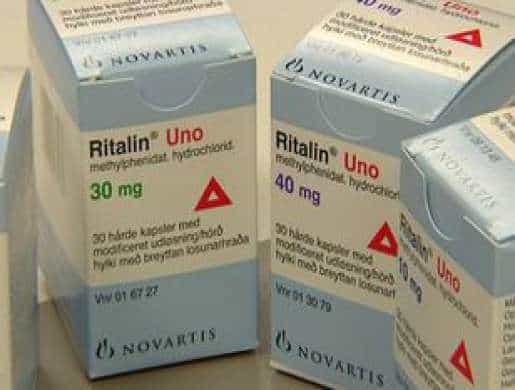
Ritalin is a medication used in the treatment of attention deficit hyperactivity disorder (ADHD). The South African Depression and Anxiety Group (SADAG) defines ADHD as a chronic condition of a combination of problems including the difficulty to sustain attention, hyperactivity and impulsive behaviour. The main medications used in South Africa to treat ADHD are Ritalin and Concerta. They have the same chemical structures (methylphenidate hydrochloride) and are similar in chemical makeup to stimulants such as cocaine and amphetamines. Ritalin can be just as addictive. Street names for Ritalin include diet coke, kiddie cocaine, kiddie coke, poor man’s cocaine, R-ball, rids, skittles, Smarties and vitamin R .
Ritalin is primarily used as a stimulant medication to increase attention span and decrease hyperactivity and impulsive behaviour. The medication seems to have a positive impact on the treatment of ADD (attention deficit disorder) and ADHD but at the same time has opened up a panacea for potential abuse and there is a lot of controversy around the use of medication to treat the diagnosis of ADD and ADHD. In fact, there is huge controversy about the very existence of the above mentioned disorders, with the scientific experts suggesting a clear neurological basis for the disorders and some other more holistic proponents saying they are not diseases in the chemical sense at all but rather behaviourally based maladaptions. The jury is still out.
The dosage prescribed is based on the severity of the condition and the response to treatment. The drug slowly raises the users dopamine levels in the brain, achieving a therapeutic effect for those with proper ADHD (and similar) diagnoses. However, if individuals who do not have ADHD take these medications, the result will be hyperactivity and overstimulation. Though it helps many people, this medication can be addictive. The risk may be higher if you have a related substance use disorder (such as overuse of or an addiction to alcohol). If you suddenly stop using this medication, you may have withdrawal symptoms such as :
visual hallucinations,
suicidal thoughts
psychotic behaviour
aggression or violent behaviour
depression or other mood changes
paranoia
fatigue
Withdrawal symptoms are more likely if you have used methylphenidate for a long time or in high doses.
Signs of Ritalin addiction include:
Needing higher doses to feel the drug’s effects (tolerance)
Experiencing strong urges to use Ritalin
Finding new ways to obtain the drug—legally or illegally—in order to abuse it
Using Ritalin even if it’s causing issues with loved ones or responsibilities.
Those struggling with an addiction to Ritalin are advised not to quit taking the drug without medical supervision. At Crossroads we consult with our specialist medical provider as to the best method for detoxification for the individual. Some people use the drug recreationally—without a prescription—and those who take more than their prescribed dosage are at risk for developing an addiction to Ritalin. It is common for adolescents who are prescribed these types of medications to trade their drugs to other kids who are not in need of them and hence are using these substances illegally. This leads to very severe consequences in terms behaviour as adolescents and eventual addiction to the medication. When abused by older teens or adults – especially if it’s crushed or snorted or injected – the drug is more like other forms of amphetamine, including methamphetamine, that have damaging and addictive psychological and physical effects.
If you or a loved one needs assistance with Ritalin abuse in South Africa – know that help is readily available. The road to recovery is not always an easy one but getting yourself or your loved one the best possible care from the team at Crossroads Recovery Centre, provides you with a map to sober, healthy living. No matter how bad things seem, there is hope and it’s only a phone call away. If you or anyone close to you needs help with an addiction to sex, gambling, substances, alcohol or food, please contact us for a free assessment.
No Obligation Addiction Assessment
Book a No Obligation Confidential Assessment at your nearest Treatment Centre Today.
The encouragement, love and support from the team at Crossroads allowed me to eventually see that I was worth something - that my life could be turned around and that I could accomplish the things that had long been a forgotten dream.
On the last day of my stint at Crossroads I could only express gratitude towards all who works there. A wise councillor once commented on my question when one is ready for rehab by explaining that when one is ready for rehab, rehab is ready for you.
I was lost and my soul was broken until I ended up at Crossroads and was introduced to the Twelve Steps. With the help of their excellent staff and amazing support I have recently been clean for 18 months, I could not have done it without them!
"Just for today I am more than three years in recovery. I have Cross Roads to thank for this wonderful gift. Cross Roads helped me to set a firm foundation in my recovery on which I can continue to build."