
Rehabilitation Centres – what to expect.

Reach out now, we can help
Home / Posts tagged "#12 Step Programme" (Page 3)

Rehabilitation Centres – what to expect.

01 October, 2021Articles, News

Addiction is a complex phenomenon characterized by a loss of control and compulsive, habitual behaviour. Since there is no single, specific cause for addiction, there is no single, standard treatment at rehabilitation centres for it. A variety of approaches are used, including counseling, psychotherapy, medications, and mutual help groups. The best known and most widely available approach to addiction is the 12-step programmes of recovery which is what we use at Crossroads Recovery Centre.

People with severe substance use disorders require long-term care at rehabilitation centres, even after the initial treatment. There is, however, a deficit in the availability of such care. This may be due both to inadequate medical coverage and insufficient use of community-based twelve-step programmes in rehabilitation centres.

Although there are many rehabilitation centres in Gauteng that use different modalities of treatment. One of the most successful forms of treatment for addiction disorders are twelve-step orientated ones such as that found at Crossroads Recovery Centre.

Twelve-step programmes are mutual aid organizations for the purpose of recovery from substance addictions, behavioral addictions and compulsions. Dozens of other organizations have been derived
from AA’s approach to address problems as varied as drug addiction, compulsive gambling and overeating.

The 12-step recovery programme is a cornerstone in the treatment of drug and alcohol addiction. Started in the 1930s, it was the first popularized treatment methodology to acknowledge addiction as something other than a choice.

A 12-step programme like AA or NA provides a framework of steps in acknowledging the addiction, accepting the consequences of the addiction, ways to mend at least some of the damage done while using, and encourages the building of a network of support through a service-oriented 12th step. 12-step programmes can offer a life-line of much-needed support.

Evidence supports the effectiveness of AA and NA. One study, sponsored by the National Institute on Alcohol Abuse and Alcoholism (NIAAA), examined the effectiveness of three different treatment types in reducing overall drinking, including the 12-step, cognitive behavioral therapy (CBT), and motivational therapy. While all three treatment types showed promise, the 12-step programme resulted in the most significant long-term impact.

12 Step recovery is unique in that it gives people the opportunity to find a long-term solution to their problem, not just for the duration of their professional treatment. At Crossroads Recovery Centre we make the 12 steps a cornerstone of the professional work done so that when our clients leave treatment they know where they can find help. This approach equips each person with the needed skills and resources to address their problem in a meaningful way without the need for lifelong therapy and professional intervention.

The 12 steps of Alcoholics Anonymous and Narcotics Anonymous is used as the ground work for treatment at Crossroads Recovery Centre. These are used in conjunction with group and individual therapy, as well as fellowship meetings, to educate and guide a person into their new life in sobriety and recovery.

Other group work includes : process groups, exposure groups (to counter denial as a defence), gender groups, spiritual groups amongst many others along with individual, one-on-one therapy.

Process group
Process group is the most common type of therapeutic group given at Crossroads Recovery Centres. An addictions counsellor is present and facilitates the running of the group while each client is asked to participate. Group therapy is an intensive process, clients are asked to be vulnerable and give feedback to one another. This process is incredibly beneficial as it is the best way for clients to bring the issues they may have to light and start to deal with them in a supporting environment.

Gender group
In gender groups men and women are separated. This gives each client space to address any gender-specific problems they may have. A counsellor facilitates the group and prepares topics for discussion and reflection. We find that separating the genders gives our clients an opportunity to talk about issues and concerns that they may feel uncomfortable addressing in front of members of the opposite sex. It is a format which encourages a deeper discussion about issues that may be gender-specific and gender-sensitive, for example; sexual abuse, love and sex addiction, marriage problems, sexual dysfunction and expectations set by gender roles.

Spiritual group
Spirituality is a cornerstone of 12 step recovery programmes. In these groups counsellors address a number of issues related to spirituality. These include topics such as meditation, practicing spiritual principles and finding new ways to connect with a higher power of your own understanding. Though topics and thoughts from certain religions may be brought up, at Crossroads Recovery Centre we pride ourselves on being inclusive of all religions and faiths, or lack thereof. These topics encourage discussion and exploration of new ideas related to each individuals spiritual practice so that they may gain a better understating of the 12 steps as a whole.

Planning and objectives
Many people come into recovery lacking direction and discipline. Weekly planning and objective groups are structured in a way that encourages our clients to set meaningful and attainable, short-term goals in order to work up to achieving long-term objectives. Each week the clients give a report on whether they achieved their goals or not. They are then held accountable by their peers. This continuous process of goal setting and reporting back, helps our clients learn how to go forward with planning and structure once they leave our facility.

Exposure group
From time-to-time it becomes apparent that a person may not be doing as well as expected in treatment. This may be for several reasons. It could be holding on to old ideas, refusing to participate fully, being dishonest or breaking rules in the facility. For whatever reason, the person may be confronted in a group therapy session. In this type of group several counsellors may participate, and the clients peers are given an opportunity to address them directly. We have found that this type of confrontation can be very powerful and can be a good wake-up call for problematic behaviour. Of course, subjects of a sensitive or confidential matter are not handled in this type of confrontation.

Life story group
As part of the therapeutic process at Crossroads Recovery Centre, all clients are asked to write a life story. This is presented to the group and the counsellors. The life story combined with behaviour that has occurred in their time at Crossroads Recovery Centre is processed and feedback is given. The client has an opportunity to hear what their peers and counsellors think will help them in their recovery going forward, and what attitudes and behaviours may prove problematic in the long run. From this point our client can move forward with a better understanding of how they can better help themselves.

Crossroads rehabilitation centres offer many options for recovery, including an outpatient programme. Contact us for advice on how to best proceed with your recovery. If you or anyone close to you needs help with an addiction to sex, gambling, substances, alcohol or food, please contact us for a free assessment. The road to recovery is not always an easy one but getting yourself or your loved one the best possible care from the team at Crossroads Recovery Centre, provides you with a map to sober, healthy living. No matter how bad things seem, there is hope and it’s only a phone call away.

www.crossroadsrecovery.co.za

074 89 51043 JHB

012 450 5033 PTA

Resources :

https://vertavahealth.com/blog/pros-cons-12-step-programs/

https://en.wikipedia.org/wiki/Twelve-step_program

https://journalofethics.ama-assn.org/article/addiction-12-step-programs-and-evidentiary-standards-ethically-and-clinically-sound-treatment/2016-06

https://www.tandfonline.com/doi/full/10.1080/00952990.2017.1306747

No Obligation Addiction Assessment

Book a No Obligation Confidential Assessment at your nearest Treatment Centre Today.

Johannesburg Admissions: +27 74 895 1043
Pretoria Admissions: +27 82 653 3311
Close

Stories of Recovery

  • The encouragement, love and support from the team at Crossroads allowed me to eventually see that I was worth something - that my life could be turned around and that I could accomplish the things that had long been a forgotten dream.
    Oliver VG
    Read more
  • On the last day of my stint at Crossroads I could only express gratitude towards all who works there. A wise councillor once commented on my question when one is ready for rehab by explaining that when one is ready for rehab, rehab is ready for you.
    Johan B
    Read more
  • I was lost and my soul was broken until I ended up at Crossroads and was introduced to the Twelve Steps. With the help of their excellent staff and amazing support I have recently been clean for 18 months, I could not have done it without them!
    Carla S
    Read more
  • "Just for today I am more than three years in recovery. I have Cross Roads to thank for this wonderful gift. Cross Roads helped me to set a firm foundation in my recovery on which I can continue to build."
    Angelique J
    Read more
Left Arrow Right Arrow

Approved Medical Aids

Bestmed LogoBonitas LogoCAMAF LogoDiscovery Health LogoFedhealth LogoGovernment Employees Medical SchemeLiberty CorporateMedihelp Medical Scheme

The Dangerous Side-Effects of Tik

Reach out now, we can help
Home / Posts tagged "#12 Step Programme" (Page 3)

The Dangerous Side-Effects of Tik

07 July, 2021Articles, News

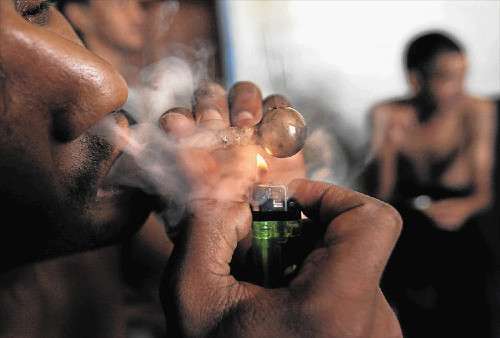
Tik or, crystal methamphetamine is a synthetic psychostimulant, it can be injected, snorted or smoked. It is commonly referred to as Tik, Crystal, Ice and Glass. This is because it resembles glass/crystal shards. The name “tik” came from the sound the crystal meth makes as it heats up. Tik is classed as a stimulant, it boosts mood, increases alertness, and energy, offering a feeling of euphoria. Crystal meth has become a popular “party drug”, but because of its low cost and intense high it creates dependence which leads to serious addiction issues.

Take the First Step Towards Recovery

Need help navigating co-occurring disorders? Reach out to our Pretoria Centre for specialised treatment and support.

Reach Out for Help and Support

Scientists first began developing amphetamine-type stimulants, similar to tik, as early as 1885 when a Japanese chemist studying in Germany, managed to isolate and characterise the active ingredient in the Ephedra plant as ephedrine. Ephedra has been used for thousands of years in traditional Chinese medicine primarily to treat asthma, bronchitis, and hay fever. Methamphetamine remained difficult to reproduce until 1919, when another Japanese chemist, Akira Ogata, streamlined the process by adding phosphorus and iodine to reduce the ephedrine into a crystallized form, thereby creating the world’s first crystal meth.

It is a potent and highly addictive drug that acts on the central nervous system, where it causes the release of dopamine, a substance which acts as a stimulant and euphoric drug. Pharmaceutical methamphetamine is still available legally but it is only rarely prescribed to treat narcolepsy, attention deficit, hyper activity disorder (ADHD) and severe obesity. Meth is readily available and its use has spread rapidly across South Africa, especially in the Western Cape, where it is made in illicit laboratories using inexpensive over-the-counter ingredients. Recent research reported that 42% of drug users within the Western Cape used crystal meth as their primary, or preferred drug, with a high prevalence use amongst adolescents.

The physical effects of crystal meth are;

  • Loss of appetite resulting in weight loss
  • Dilated pupils
  • Hyperactivity
  • Accelerated heartbeat
  • Anxiety
  • Depression
  • Sweating
  • Twitching
  • Constipation
  • Rapid breathing
  • Teeth grinding
  • Twitching
  • Numbness
  • Acne
  • Dry skin
  • Pale appearance
  • Long term users often suffer with sores on the face and what is termed “meth mouth”. Poor dental hygiene, dry mouth and teeth grinding result in accelerated tooth decay and loos of teeth.

Overdose can occur with any quantity of drug used, and the user is always at risk. An overdose wil result in seizures, an increase in body temperature, respiratory failure, coma, and/or death.

The psychological effects of tik/crystal meth can be severe and long lasting, some of these effects are:

  • Repetitive obsessive behaviour and repetitive non-goal driven activity
  • Irritability
  • Over confidence
  • Insomnia
  • Aggression
  • Restlessness
  • Magnetic resonance studies conducted on users of tik have shown evidence of neurodegeneration
  • Paranoia

Sustained use of the drug affects the production of the neurotransmitter dopamine in the brain. Dopamine is responsible for feelings of pleasure. Long-term meth use can cause a decrease in the number of dopamine receptors in the brain, making it difficult for the individual to experience pleasure (a condition known as anhedonia) as well as reduced levels of motivation. It is thus recommended that withdrawal from the drug be conducted under the care of trained medical professionals together with experienced, trained, addiction counsellors.

If you or a loved one need assistance with an addiction to crystal meth – know that help is readily available. The road to recovery is not always an easy one but getting yourself or your loved one the best care from the team at Crossroads Recovery Centre, provides you with a map to sober, healthy living. No matter how bad things seem, there is hope and it is a phone call away. If you or anyone close to you needs help with an addiction to sex,  gambling,  substances,  alcohol or food, please contact us for a free assessment.

FAQs and Answers

1. What is Tik and why is it dangerous?
Tik, also known as crystal methamphetamine, is a powerful stimulant that creates a temporary sense of euphoria. It is dangerous because it is highly addictive and can cause severe physical and psychological harm.

2. How is Tik usually consumed?
Tik can be smoked, snorted, or injected. Smoking is the most common method, particularly in South Africa, due to its fast-acting and intense effects.

3. What are the short term effects of Tik use?
Short term effects include rapid heartbeat, dilated pupils, increased energy, restlessness, anxiety, loss of appetite, and a temporary feeling of euphoria.

4. What are the long term physical effects of Tik?
Long term use often leads to weight loss, skin problems, severe dental issues known as meth mouth, and sores on the face. Chronic use can cause serious health complications.

5. Can Tik use affect mental health?
Yes, Tik has severe psychological effects including paranoia, aggression, irritability, insomnia, depression, and long lasting damage to brain function.

6. What happens when someone overdoses on Tik?
An overdose can cause seizures, dangerously high body temperature, respiratory failure, coma, or even death. Any amount of Tik use carries a risk of overdose.

7. Is it possible to recover from Tik addiction?
Yes, recovery is possible with professional treatment and support. Medical detox, counselling, and rehabilitation programmes can help individuals regain control of their lives.

8. Where can someone get help for Tik addiction in South Africa?
Treatment and recovery support are available at centres such as Crossroads Recovery Centre in Johannesburg and Pretoria. Professional help is crucial for safe withdrawal and long term recovery.

No Obligation Addiction Assessment

Book a No Obligation Confidential Assessment at your nearest Treatment Centre Today.

Johannesburg Admissions: +27 74 895 1043
Pretoria Admissions: +27 82 653 3311
Close

Stories of Recovery

  • The encouragement, love and support from the team at Crossroads allowed me to eventually see that I was worth something - that my life could be turned around and that I could accomplish the things that had long been a forgotten dream.
    Oliver VG
    Read more
  • On the last day of my stint at Crossroads I could only express gratitude towards all who works there. A wise councillor once commented on my question when one is ready for rehab by explaining that when one is ready for rehab, rehab is ready for you.
    Johan B
    Read more
  • I was lost and my soul was broken until I ended up at Crossroads and was introduced to the Twelve Steps. With the help of their excellent staff and amazing support I have recently been clean for 18 months, I could not have done it without them!
    Carla S
    Read more
  • "Just for today I am more than three years in recovery. I have Cross Roads to thank for this wonderful gift. Cross Roads helped me to set a firm foundation in my recovery on which I can continue to build."
    Angelique J
    Read more
Left Arrow Right Arrow

Approved Medical Aids

Bestmed LogoBonitas LogoCAMAF LogoDiscovery Health LogoFedhealth LogoGovernment Employees Medical SchemeLiberty CorporateMedihelp Medical Scheme

Rehabilitation Centres In Pretoria

Reach out now, we can help
Home / Posts tagged "#12 Step Programme" (Page 3)

Rehabilitation Centres In Pretoria

11 June, 2021Articles, News

Crossroads Recovery Centre prides itself as being the longest running licensed, 12-step rehabilitation centre in Pretoria. Our vision, focus and aim are on helping individuals suffering from addiction into recovery. Addiction is defined as a chronic, relapsing disorder characterised by compulsive drug-seeking and use despite adverse effects. At Crossroads rehabilitation centres we recognise that addiction includes, but is not limited to, drugs and alcohol. Our intake of clients seeking help from addiction includes behaviours such as gambling and sex addiction

Crossroads recognises that the treatment of, and recovery from addiction cannot be limited to the individual only. The seat of addiction, as a brain disorder, may reside in the individual, but recovery from addiction includes the systems from which our clients originate. As such, as part of our drug rehabilitation programme, Crossroads Recovery Centres’ treatment includes family education, family workshops, and family therapy. The family is acknowledged as being influential in the recovery from addiction.

Our treatment facility offers a community environment for rehabilitation where clients are guided into the tasks and responsibilities of daily living which have been negatively impacted by their drug use or behaviours. Our rehabilitation programme offers an intense, consistent, structured daily routine including individual counselling sessions, group work, individual introspection with guidance and therapeutic interventions from the counsellors. Our programme is not designed to provide a break for the suffering addict from the realities of life and addiction. Instead it is designed to start the journey back into a life free from drugs, alcohol and other harmful behaviours.

Recovery from long term drug abuse and from addiction may require more than just a short-term stay in a drug rehabilitation centre. Crossroads thus works with a network of halfway houses, sobriety houses and crisis centres in the Pretoria region so as to ensure the best possible start to recovery from addiction for our clients.

If you or a loved one needs assistance with an addiction – know that help is readily available. The road to recovery is not always an easy one, but getting yourself or your loved one the best possible care from the team at Crossroads Recovery Centres provides you with a map to sober, healthy living. No matter how bad things seem, there is hope, and it’s only a phone call away. If you or anyone close to you needs help with an addiction to sex, gambling, substances, alcohol or food, contact us for a free assessment.

www.crossroadsrecovery.co.za

074 89 51043 JHB

012 450 5033 PTA

No Obligation Addiction Assessment

Book a No Obligation Confidential Assessment at your nearest Treatment Centre Today.

Johannesburg Admissions: +27 74 895 1043
Pretoria Admissions: +27 82 653 3311
Close

Stories of Recovery

  • The encouragement, love and support from the team at Crossroads allowed me to eventually see that I was worth something - that my life could be turned around and that I could accomplish the things that had long been a forgotten dream.
    Oliver VG
    Read more
  • On the last day of my stint at Crossroads I could only express gratitude towards all who works there. A wise councillor once commented on my question when one is ready for rehab by explaining that when one is ready for rehab, rehab is ready for you.
    Johan B
    Read more
  • I was lost and my soul was broken until I ended up at Crossroads and was introduced to the Twelve Steps. With the help of their excellent staff and amazing support I have recently been clean for 18 months, I could not have done it without them!
    Carla S
    Read more
  • "Just for today I am more than three years in recovery. I have Cross Roads to thank for this wonderful gift. Cross Roads helped me to set a firm foundation in my recovery on which I can continue to build."
    Angelique J
    Read more
Left Arrow Right Arrow

Approved Medical Aids
Bestmed LogoBonitas LogoCAMAF LogoDiscovery Health LogoFedhealth LogoGovernment Employees Medical SchemeLiberty CorporateMedihelp Medical Scheme

Effects of Alcohol Abuse

Reach out now, we can help
Home / Posts tagged "#12 Step Programme" (Page 3)

Effects of Alcohol Abuse

07 May, 2021Articles, News

Car accidents. Violent arguments. Blackouts. You may be familiar with these examples of the most common consequences of alcohol abuse. They are the kinds of incidences that are reported in the media and spoken about in social circles. But the effects of alcohol abuse and alcohol addiction go far beyond the physical symptoms. In this article, we provide an overview of the effects of this life-threatening disease.

Physical Effects

The body is affected by alcohol abuse in profound and far-reaching ways. Most commonly, alcoholics suffer liver damage to varying degrees. This may manifest in conditions such as jaundice, general fatigue and digestive problems. High doses of alcohol for prolonged periods of time can adversely affect the heart, putting individuals at risk of high blood pressure, heart attacks or strokes. In extreme cases, chronic alcohol users can suffer from thiamine deficiency which results in muscle weakness, blurry vision and long-term loss of appetite.

Mental Effects

Alcohol abuse also affects the brain, particularly the neural centres that control one’s decision-making functions and memory. It is not uncommon for alcoholics who find recovery to be diagnosed with secondary mental illnesses such as neurotic anxiety and depression. In fact, what we know about alcohol abuse today, is that it can exacerbate an already existing, underlying mental condition. Extreme alcohol abusers may experience noticeable cognitive impairment that can cause long-term and irreparable damage.

Emotional Effects

Many alcoholics can relate to the transition from social drinking to drinking in isolation, as their disease progresses. Alcohol abusers may not want to share their liquor, may feel ashamed of their behaviour and may lose interest in social activities, particularly those which do not involve an element of drinking. In addition, it is marked by increasing and persistent levels of irritability. Abusers may become noticeably upset and uneasy when they are prevented from drinking or confronted about their problem. Without the act of satisfying their craving, alcohol abusers cannot function in a healthy way.

Spiritual Effects

The spiritual effect of alcohol abuse is a topic that 12-step programmes cover extensively but one that is not often recognised by those who are not familiar with life in recovery. Many alcoholics describe their disease as feeling like a “hole in the soul,” or like something is fundamentally wrong with them or that they are unworthy of love. When coupled with low self-esteem and feelings of worthlessness, the spiritual effects are extensive and deeply troubling.

If you or a loved one is suffering from alcohol addiction or is abusing alcohol, know that help is readily available. Contact us for a free consultation and we’ll support you in your recovery journey.

If you or a loved one needs assistance with alcoholism – know that help is readily available. The road to recovery is not always an easy one but getting yourself or your loved one the best possible care from the team at Crossroads Recovery Centre, provides you with a map to sober, healthy living. No matter how bad things seem, there is hope and it’s only a phone call away. If you or anyone close to you needs help with an addiction to sex, gambling, substances, alcohol or food, please contact us for a free assessment.

Acknowledgements:

American Addiction Centres
Stories of Recovery

No Obligation Addiction Assessment

Book a No Obligation Confidential Assessment at your nearest Treatment Centre Today.

Johannesburg Admissions: +27 74 895 1043
Pretoria Admissions: +27 82 653 3311
Close

Stories of Recovery

  • The encouragement, love and support from the team at Crossroads allowed me to eventually see that I was worth something - that my life could be turned around and that I could accomplish the things that had long been a forgotten dream.
    Oliver VG
    Read more
  • On the last day of my stint at Crossroads I could only express gratitude towards all who works there. A wise councillor once commented on my question when one is ready for rehab by explaining that when one is ready for rehab, rehab is ready for you.
    Johan B
    Read more
  • I was lost and my soul was broken until I ended up at Crossroads and was introduced to the Twelve Steps. With the help of their excellent staff and amazing support I have recently been clean for 18 months, I could not have done it without them!
    Carla S
    Read more
  • "Just for today I am more than three years in recovery. I have Cross Roads to thank for this wonderful gift. Cross Roads helped me to set a firm foundation in my recovery on which I can continue to build."
    Angelique J
    Read more
Left Arrow Right Arrow

Approved Medical Aids

Bestmed LogoBonitas LogoCAMAF LogoDiscovery Health LogoFedhealth LogoGovernment Employees Medical SchemeLiberty CorporateMedihelp Medical Scheme
add_action('wp_footer', function() { ?>