
Is Addiction a Choice?

Reach out now, we can help
Home / Archive by category "News" (Page 93)

Is Addiction a Choice?

03 February, 2020Articles, News

Millions of people struggle with substance addictions each year. SAMHSA’s 2012 National Survey on Drug Use and Health (NSDUH) reported that over 22 million Americans aged 12 and over had a substance dependence or abuse condition in the previous year. Because many people think that addiction is a choice that a person makes and can therefore be controlled by the person, there is a stigma placed on people who struggle with addiction.

The National Institute on Drug Abuse (NIH) says that addiction is hardwired into our brains. Brains are wired to ensure that we remember and repeat things associated with pleasure and rewards. But what most people don’t know : abusing drugs and/or alcohol can literally rewire the brain. Overstimulating our brain with drugs and/or alcohol produces euphoric effects which strongly reinforces the behavior of drug/alcohol use- thus, teaching the user to repeat it. Over time, the brain begins to produce less and less dopamine than it once did causing a person to use more and more to feel “normal” again.

Our ability to even feel pleasure dramatically decreases. This is also called tolerance or, the ability or willingness to tolerate something. In short, we use because it feels good and we keep using because we realize it doesn’t feel as good as it used to and we want to feel that again.

21.5 million Americans struggled with addiction in 2014. 80% of those same people also struggled with an issue with alcohol. 8 million of those, struggled with what is called a co-occurring disorder, or “double trouble.” People still battle with the question though- “is addiction a choice?”

Since many people assume that addiction is simply related to a person’s lack of will-power and self-control – many people hesitate to seek professional help because they believe that they can fix the issue on their own.

How to Get Help with an Addiction

Regardless of whether addiction is defined as a disease or merely a compulsion, the reality is that addiction is a complex and challenging health issue that requires careful treatment. In order to ensure a successful recovery, a person with an addiction should receive treatment at a professional substance addiction rehabilitation centre. Here they will identify, through therapy and educational classes, the various reasons behind their addiction. They will also learn specific ways that they can manage the addiction in the future.

Resources:
https://www.mentalhealthfirstaid.org/external/2019/03/is-addiction-a-choice/
https://www.foundationsrecoverynetwork.com/addiction-choice/
https://www.thefix.com/living-sober/addiction-choice-or-disease

No Obligation Addiction Assessment

Book a No Obligation Confidential Assessment at your nearest Treatment Centre Today.

Johannesburg Admissions: +27 74 895 1043
Pretoria Admissions: +27 82 653 3311
Close

Stories of Recovery

  • The encouragement, love and support from the team at Crossroads allowed me to eventually see that I was worth something - that my life could be turned around and that I could accomplish the things that had long been a forgotten dream.
    Oliver VG
    Read more
  • On the last day of my stint at Crossroads I could only express gratitude towards all who works there. A wise councillor once commented on my question when one is ready for rehab by explaining that when one is ready for rehab, rehab is ready for you.
    Johan B
    Read more
  • I was lost and my soul was broken until I ended up at Crossroads and was introduced to the Twelve Steps. With the help of their excellent staff and amazing support I have recently been clean for 18 months, I could not have done it without them!
    Carla S
    Read more
  • "Just for today I am more than three years in recovery. I have Cross Roads to thank for this wonderful gift. Cross Roads helped me to set a firm foundation in my recovery on which I can continue to build."
    Angelique J
    Read more
Left Arrow Right Arrow

Approved Medical Aids

Bestmed LogoBonitas LogoCAMAF LogoDiscovery Health LogoFedhealth LogoGovernment Employees Medical SchemeLiberty CorporateMedihelp Medical Scheme

A Spiritual not Religious Programme

Reach out now, we can help
Home / Archive by category "News" (Page 93)

A Spiritual not Religious Programme

31 January, 2020Articles, News

The misconception of the “spiritual” aspect of the programme.

Often, when someone comes into a 12-step programme, they either come in as atheist, agnostic or belonging to a certain religious denomination. This can create panic in an individual’s mind as it states in the 12 steps “that we came to believe in a power greater than ourselves…… and turn our will and our lives over to the care of God as we understand him”. The misconception of this, is that, some individuals become uncomfortable and feel that they are pressured into believing in something specific or that they may be forced to move over to a different religion, and this often deters someone from seeking out recovery. Many people don’t understand what we mean by “spiritual” in a programme of recovery. The programme only teaches us to live by spiritual principles, not according to a certain religion. Many people will have something they believe in. The programme helps us to reconnect to that path that we may have forgotten in active addiction. In a programme of recovery we choose to focus on spirituality rather than specific religions.

What do we mean by a spiritual, not religious programme?

While working a 12-step recovery programme, each of us will follow our own individual spiritual path. We are not forced to take on a new religion or change our beliefs. What the programme means by “spiritual” is that in doing the steps, we find ourselves on a path of self-discovery. By doing so, we become reconnected with the God of OUR understanding, with ourselves and with the world around us. It is important for those of us working a programme of recovery, whether we believe or not, to create our own spiritual path. This may be complicated or difficult for some people, but it can be done. The 12-step programme works in our lives no matter what our beliefs are. Some people may struggle with this concept at first, but if they trust the process, they may find the spiritual path they have been seeking.

What do we mean by spiritual principles?

Spiritual principles are not separate from the actions we need to take. They are connected. By applying spiritual principles in our daily lives such as honesty, open-mindedness and willingness, it allows us to work a programme of recovery and develop our own values of what we want out of our lives and how we are going to live by them. This is important for an individual who has come from active addiction and lived a completely dishonest and selfish life. Spiritual principles help us to identify our beliefs, actions and the reasons why we act as we do. According to the Big Book of Alcoholics Anonymous, there are 31 spiritual principles that someone in recovery can live by.

Why is a connection to the God of our understanding important?

Having a Higher Power in recovery is a pivotal part of the programme. Addicts and alcoholics are often trying to fill a void in their soul with external sources such as drugs, alcohol, food, sex or gambling. This void happens to be somewhat bigger than any external source. A more meaningful way of living a life of sobriety, is to fill this void with a belief in something that is bigger than you, bigger than all of us. The belief frees us from having to control the world and our lives and replaces calamity with serenity. In active addiction, the person will often run on self-will, trying to control everything around them causing powerlessness and unmanageability in their lives. Step 3 of the programme helps us to hand our will over to a power greater than ourselves. This leads to the addict becoming surrendered, and their lives can become more peaceful and more manageable. Without connection we can feel lost and not know how to handle life on life’s terms. So, it is important for any addict in recovery to remain connected, not only to a power greater than themselves, but to the fellowship as well.

Dominique Le Claire Rossouw

No Obligation Addiction Assessment

Book a No Obligation Confidential Assessment at your nearest Treatment Centre Today.

Johannesburg Admissions: +27 74 895 1043
Pretoria Admissions: +27 82 653 3311
Close

Stories of Recovery

  • The encouragement, love and support from the team at Crossroads allowed me to eventually see that I was worth something - that my life could be turned around and that I could accomplish the things that had long been a forgotten dream.
    Oliver VG
    Read more
  • On the last day of my stint at Crossroads I could only express gratitude towards all who works there. A wise councillor once commented on my question when one is ready for rehab by explaining that when one is ready for rehab, rehab is ready for you.
    Johan B
    Read more
  • I was lost and my soul was broken until I ended up at Crossroads and was introduced to the Twelve Steps. With the help of their excellent staff and amazing support I have recently been clean for 18 months, I could not have done it without them!
    Carla S
    Read more
  • "Just for today I am more than three years in recovery. I have Cross Roads to thank for this wonderful gift. Cross Roads helped me to set a firm foundation in my recovery on which I can continue to build."
    Angelique J
    Read more
Left Arrow Right Arrow

Approved Medical Aids

Bestmed LogoBonitas LogoCAMAF LogoDiscovery Health LogoFedhealth LogoGovernment Employees Medical SchemeLiberty CorporateMedihelp Medical Scheme

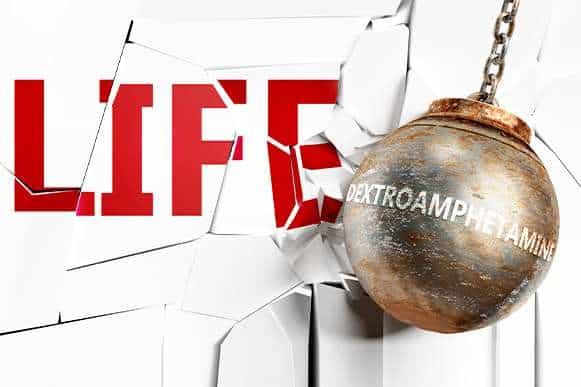
What is Dextroamphetamine?

Reach out now, we can help
Home / Archive by category "News" (Page 93)

What is Dextroamphetamine?

22 January, 2020Articles, News

Dextroamphetamine is a type of medication that is prescribed for the treatment of attention deficit hyperactivity disorder (ADHD). It is also known more commonly as Dexedrine and belongs to the class of drugs referred to as stimulants. Less formally, it is known as an “upper” or a drug that produces high bursts of energy, extreme alertness and the intensified ability to focus on a singular activity.

What is Dextroamphetamine Used for in South Africa?

Dextroamphetamine, in South Africa and other parts of the world is a legally prescribed drug that is used to treat ADHD and narcolepsy. There are many reported cases of the drug’s effectiveness in treating these medical problems. However, what we know about addiction today, is that amphetamines in their various forms, have a high potential for abuse and when used for prolonged periods of time, can lead to drug dependence. In the treatment community, we have found that those who have been prescribed dexotroamphetamine abuse the drug as well. Dexotroamphetamine is not only abused by those who use it for recreational purposes only.

What are the Side Effects of Dextroamphetamine Abuse?

The abuse of dextroamphetamines has been known to produce a number of adverse effects including visible and increasing levels of unexplained agitation, an irregular heartbeat, uncontrolled bodily movements and the inability to sleep. Because dextroamphetamine is a kind of stimulant, it disturbs the natural balance of chemicals in the brain and in the long-term, can cause extensive neurological damage, especially if it is being used without the supervision of a medical professional.

How Many Cases of Addiction are Reported?

In South Africa, dextroamphetamine is known by the medical community as the “study drug,” having derived this name from its common usage by students who struggle to concentrate for long periods of time. While there are no formal studies on the nonmedical use of this type of stimulant, cases of abuse and addiction, particularly amongst young people, are increasing but remain mainly unreported.

Like in the case of other drugs, dextroamphetamine addiction can be treated through extensive therapy in the form of support groups, individual counselling, life coaching and wellness programmes.

If you or a loved one is in search of help for addiction, know that help is readily available. Contact us for a free consultation and we’ll support you in your journey.

Sources:
webmd.com
Drugs.com

No Obligation Addiction Assessment

Book a No Obligation Confidential Assessment at your nearest Treatment Centre Today.

Johannesburg Admissions: +27 74 895 1043
Pretoria Admissions: +27 82 653 3311
Close

Stories of Recovery

  • The encouragement, love and support from the team at Crossroads allowed me to eventually see that I was worth something - that my life could be turned around and that I could accomplish the things that had long been a forgotten dream.
    Oliver VG
    Read more
  • On the last day of my stint at Crossroads I could only express gratitude towards all who works there. A wise councillor once commented on my question when one is ready for rehab by explaining that when one is ready for rehab, rehab is ready for you.
    Johan B
    Read more
  • I was lost and my soul was broken until I ended up at Crossroads and was introduced to the Twelve Steps. With the help of their excellent staff and amazing support I have recently been clean for 18 months, I could not have done it without them!
    Carla S
    Read more
  • "Just for today I am more than three years in recovery. I have Cross Roads to thank for this wonderful gift. Cross Roads helped me to set a firm foundation in my recovery on which I can continue to build."
    Angelique J
    Read more
Left Arrow Right Arrow

Approved Medical Aids

Bestmed LogoBonitas LogoCAMAF LogoDiscovery Health LogoFedhealth LogoGovernment Employees Medical SchemeLiberty CorporateMedihelp Medical Scheme

What is the Rock Drug?

Reach out now, we can help
Home / Archive by category "News" (Page 93)

What is the Rock Drug?

22 January, 2020Articles, News

Also known by street names such as “candy, nuggets” and “grit,” the rock drug is another name for what is widely referred to as crack cocaine. In this article, we explore some of the most commonly asked questions about the rock drug.

Take the First Step Towards Recovery

Seeking comprehensive support for managing anxiety in early recovery? Reach out to our Johannesburg Centre for expert guidance.

Reach Out for Support and Guidance

What is the Rock Drug?

Crack cocaine is recognisable by its off-white colour and hard, crystal-like appearance. Its name is derived from the crackling sound it makes when heated. Unlike its powdered form- cocaine, crack is smoked rather than snorted. As a result, the effects are instant and short-lived, with a high that typically lasts between 5 and 10 minutes. The rock drug is classified as a stimulant or “upper,” which relates to the fact that it causes a high characterised by an extreme energy boost, increased alertness and an elevated mood. As a stimulant, crack affects the central nervous system by causing an imbalance of neurotransmitters in the brain. The rock drug is widely known for its highly addictive nature and the profoundly negative effects it has on long-term users.

How Does the Rock Drug Differ from Cocaine?

The rock drug is a derivative of cocaine. It is produced by combining cocaine with water and baking soda to create a mixture that eventually forms into solid crystals. Because of its formulation and the fact that it is smoked rather than snorted, crack is far more potent than cocaine. Its side effects are therefore more far-reaching and devastating. Cocaine has a high street value, while crack is sold cheaply and is therefore easier to acquire. Unfortunately, the substances that are often used to produce crack include toxic substances like rat poison and even arsenic. For those addicted to crack cocaine, there are simply no guarantees as to what is being taken into the body and what its effects will be.

What are the Long-term Effects of the Crack Cocaine Abuse?

  • Lung disease: Crack cocaine users may experience extreme respiratory problems including shortness of breath and even internal bleeding.
  • Extreme Weight Loss: Due to the impact that the rock drug has on the body, loss of appetite is a common side effect, which in the long term, can lead to malnutrition and rapid weight loss.
  • Psychosis: The rock drug causes extreme disruptions in the way that the brain processes chemicals. As a result, long-term use can cause neurological deterioration, which may lead to depression and other mental health issues that relate to chemical imbalances in the brain.
  • Death: As much as it may be a hard reality to face, the use of the rock drug, particularly in tandem with heroine (a drug habit called “speedballing”), can be fatal.

If you or a loved one is in search of help for drug addiction, know that help is readily available. Contact us for a free consultation and we’ll support you in your journey.

FAQs and Answers

1. What is the rock drug?

The rock drug is another name for crack cocaine, a highly addictive stimulant made from processed cocaine and smoked for an instant but short high.

2. Why is crack cocaine called the rock drug?

It is called the rock drug because it forms into hard, off white crystals that make a crackling sound when heated.

3. How does the rock drug differ from cocaine?

Unlike powdered cocaine which is snorted, the rock drug is smoked. This makes it more potent, fast acting and more harmful to the body.

4. How long does the high from the rock drug last?

The high usually lasts between 5 and 10 minutes, making users take repeated doses which increases the risk of addiction.

5. What makes the rock drug so addictive?

Its rapid effect on the brain’s neurotransmitters creates an intense rush followed by a sharp crash, causing strong cravings and dependence.

6. What toxic substances can be found in the rock drug?

Crack cocaine is often mixed with dangerous chemicals such as ammonia, baking soda and sometimes poisons like arsenic or rat poison.

7. What are the long term health risks of using the rock drug?

Long term use may lead to lung disease, severe weight loss, psychosis, neurological issues and a high risk of fatal overdose.

8. Can combining the rock drug with other substances be fatal?

Yes. Using it with substances like heroin, known as speedballing, significantly increases the risk of respiratory failure and death.

No Obligation Addiction Assessment

Book a No Obligation Confidential Assessment at your nearest Treatment Centre Today.

Johannesburg Admissions: +27 74 895 1043
Pretoria Admissions: +27 82 653 3311
Close

Stories of Recovery

  • The encouragement, love and support from the team at Crossroads allowed me to eventually see that I was worth something - that my life could be turned around and that I could accomplish the things that had long been a forgotten dream.
    Oliver VG
    Read more
  • On the last day of my stint at Crossroads I could only express gratitude towards all who works there. A wise councillor once commented on my question when one is ready for rehab by explaining that when one is ready for rehab, rehab is ready for you.
    Johan B
    Read more
  • I was lost and my soul was broken until I ended up at Crossroads and was introduced to the Twelve Steps. With the help of their excellent staff and amazing support I have recently been clean for 18 months, I could not have done it without them!
    Carla S
    Read more
  • "Just for today I am more than three years in recovery. I have Cross Roads to thank for this wonderful gift. Cross Roads helped me to set a firm foundation in my recovery on which I can continue to build."
    Angelique J
    Read more
Left Arrow Right Arrow

Approved Medical Aids
Bestmed LogoBonitas LogoCAMAF LogoDiscovery Health LogoFedhealth LogoGovernment Employees Medical SchemeLiberty CorporateMedihelp Medical Scheme
add_action('wp_footer', function() { ?>